

Choosing your local dentist is less about finding one appointment that fits and more about deciding who you feel comfortable seeing for care over time. Ongoing dental care can include routine examinations, preventive advice, professional cleaning when appropriate, X-rays when clinically needed, treatment planning and help when a tooth or gum concern changes.
For people on the Sunshine Coast, local access matters. Work, school, sport, family commitments and traffic can all affect whether dental appointments feel manageable. Bright Smiles sees patients at both Brightwater/Mountain Creek and Currimundi, supporting families and individuals with general, cosmetic, restorative, orthodontic and emergency dental services.
Why your local dentist matters for ongoing care
A dentist who sees you over time can build a clearer picture of your oral health. That continuity can help with monitoring changes in your teeth, gums, bite, restorations and home care routine. It also makes conversations easier because your dentist can refer back to previous findings, past treatment and the concerns you have already discussed.
Ongoing care is not only about fixing problems. It is also about prevention, early assessment and informed decision making. A good local dental relationship gives you a place to ask questions before a concern becomes more complicated, whether that concern is bleeding gums, tooth sensitivity, a chipped filling, a child’s first dental visit or whether a cosmetic option may be suitable.
The right fit will look different for each person. Some patients want a practice close to home. Others need appointment options around school pick-up or work hours. Some are looking for a family-friendly environment, anxiety-aware communication, emergency dental care or a dentist who can explain treatment options in plain English.
Start with safety, registration and professional standards
In Australia, dentists must be registered to practise. Before choosing a new dental practice, you can confirm registration through the AHPRA public register. This is a simple way to check that a practitioner is registered under the national health practitioner scheme.
Registration is only one part of the decision, but it is a sensible starting point. You should also feel comfortable asking how the practice approaches treatment planning, consent, infection control, referrals and records. A dental team should explain what they find, why a treatment may or may not be recommended and what alternatives may be available.
Be cautious of any dental advertising that promises the same result for everyone, presents cosmetic treatment as necessary for confidence or suggests that a procedure has no risks. All dental procedures carry potential benefits and risks. Suitability depends on your oral health, medical history, anatomy, goals, budget and individual circumstances.
What to compare when choosing your local dentist
A practical way to choose is to compare the areas that affect day-to-day care, not just the closest appointment time. The table below can help you assess a dental clinic in a balanced way.
| What to check | Why it matters for ongoing care | Questions you can ask |
|---|---|---|
| Preventive focus | Helps you understand risk factors and home care, not only treatment after a problem appears | How do you assess gum health, decay risk and cleaning needs? |
| Range of services | Can make care planning more convenient if your needs change over time | What services are available through the practice, and when would you refer externally? |
| Communication style | Clear explanations support informed consent and reduce confusion | Can you explain treatment options, risks and likely costs before I decide? |
| Children’s care | Families often want consistent care for different ages | Do you see children, and how do you approach first visits or nervous children? |
| Anxiety support | Some patients need extra time, reassurance or a slower pace | How should I let the team know if I feel anxious about dental treatment? |
| Costs and payment | Knowing fees and payment options early can help you plan | Can I receive a treatment plan and estimate before starting? |
| Emergency approach | Toothache, swelling or broken teeth may need timely assessment | How do you handle urgent dental concerns during practice hours? |
Bright Smiles offers general, cosmetic, restorative, orthodontic and emergency dental services, along with children’s bulk billing support and flexible payment options. Exact suitability, fees and appointment needs should be discussed with the team before treatment starts.
Look for prevention, not only treatment
A strong ongoing care relationship should include prevention. That means your dentist looks at your risk of tooth decay and gum problems, asks about your brushing and cleaning between teeth, considers diet and habits where relevant and explains when professional care is recommended.
Preventive care can include advice on fluoride toothpaste, cleaning between teeth, gum checks, professional cleaning where suitable and reviewing how existing fillings, crowns or other restorations are holding up. If you want to understand the everyday habits that support oral health, Bright Smiles has also explained what healthy dental care includes beyond brushing.
The timing of routine visits is not one-size-fits-all. Some people need more frequent review because of gum disease risk, a high decay rate, complex dental work, dry mouth, medical conditions or orthodontic treatment. Others may be advised differently after an examination. The article on the importance of dental check-ups gives more background on why regular reviews can be part of preventive care.
Consider family needs, comfort and communication
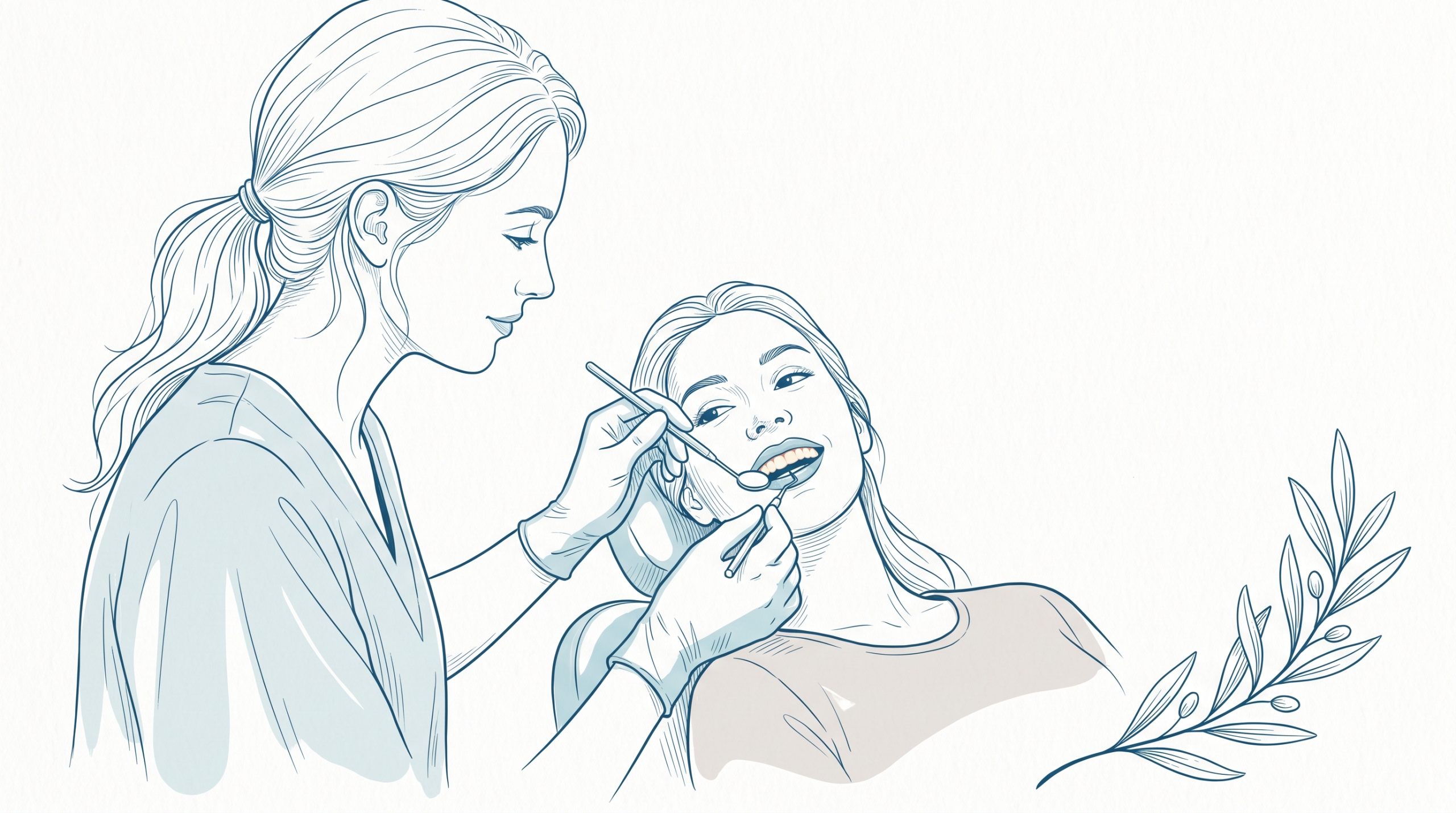
If you are choosing for a household rather than just yourself, think about how the practice supports different ages and needs. A toddler’s first visit is different from a teenager’s orthodontic discussion, an adult’s cosmetic question or an older patient’s denture, implant or restorative needs.
Families often benefit from a clinic that can explain options clearly and pace appointments in a way that suits the individual. If you are comparing practices for several family members, this guide on how to choose a dental clinic for your family offers a useful checklist covering children’s care, emergencies, costs, comfort and convenience.
Comfort is not about expecting every appointment to feel easy. Many people feel nervous about dental treatment, especially if they have had an uncomfortable past experience, sensitive teeth, a strong gag reflex or concerns about costs. What matters is whether the dental team listens, explains what is happening and gives you a chance to ask questions before treatment begins.
If anxiety is a concern, mention it when booking or at the start of your appointment. Your dentist can talk through what may help, such as agreeing on pauses, explaining each stage before it happens or planning shorter appointments where clinically appropriate. The right approach depends on the treatment and the person.
Balance convenience with the quality of the relationship
Local convenience matters because ongoing care is easier to maintain when appointments fit into normal life. For Sunshine Coast patients, this may mean choosing a practice close to home, school, work or regular travel routes. Bright Smiles has locations at Brightwater/Mountain Creek and Currimundi, which may be convenient for patients across nearby areas such as Kawana Waters, Buddina, Birtinya, Caloundra, Aroona and Battery Hill.
Convenience should not be the only factor. A slightly more convenient appointment is not always the best choice if you do not feel informed, listened to or comfortable asking questions. For ongoing care, the relationship matters. You should be able to discuss symptoms honestly, understand your choices and receive a clear explanation of costs, risks and alternatives before making decisions.
Online appointment booking can also make routine care simpler, especially for busy families. If you need urgent dental care, call the practice rather than relying only on online availability, as symptoms such as swelling, trauma, severe pain or signs of infection may need prompt professional assessment.
Questions to ask before you decide
You do not need to ask every question at the first appointment, but the following can help you compare your options:
- How do you approach preventive dental care for adults and children?
- What should I expect during a first examination?
- Will you explain treatment options, risks, alternatives and costs before I decide?
- How do you manage nervous patients or patients who need extra time?
- Do you offer emergency dental appointments, and how are urgent concerns assessed?
- If a treatment is outside the practice’s scope, how would referrals be handled?
- What payment options may be available if treatment is recommended?
- How often should I return for review based on my own oral health?
These questions can also show you how the team communicates. Clear answers, realistic expectations and respect for your choices are good signs.
What a first ongoing care appointment may involve
A first appointment with a new dentist often begins with your medical and dental history. This may include current medications, allergies, past dental treatment, previous X-rays if available, current symptoms, dental anxiety and any goals or concerns you want to discuss.
Your dentist may examine your teeth, gums, jaw joints, bite and existing dental work. They may recommend dental X-rays if clinically indicated. If treatment is suggested, you should receive an explanation of why it is being recommended, what alternatives may exist, the likely steps involved, possible risks and expected costs.
If you attend because of pain, swelling or a broken tooth, the appointment may focus on assessing and managing that specific concern first. A broader ongoing care plan can often be discussed once the urgent issue has been addressed or stabilised.
When it may be time to reassess your dental care
It may be worth reassessing your dental care if you regularly leave appointments unsure about what was recommended, feel unable to ask questions or do not understand the costs before treatment begins. You might also reconsider if your needs have changed, such as having children, starting orthodontic treatment, managing a chronic health condition or wanting to discuss restorative or cosmetic options.
A good dental fit should feel respectful and practical. You do not need to agree to treatment on the spot unless there is a clinical reason for urgent action. For non-urgent care, it is reasonable to ask for time to consider your options or seek a second opinion.
Frequently Asked Questions
How do I know if a dentist is registered in Australia? You can search the AHPRA public register to check whether a dentist is registered. Registration helps confirm that the practitioner is part of the national health practitioner regulation system.
How often should I see my local dentist? The right interval depends on your oral health, gum condition, decay risk, medical history and any treatment you are having. Your dentist can recommend a review schedule after examining your mouth.
Should I choose a dentist close to home or work? Convenience is useful because it can make ongoing care easier to maintain. It should be balanced with communication, comfort, professional standards, service range and whether the practice suits your individual needs.
What if I feel anxious about dental appointments? Tell the practice when booking or at the start of your visit. Your dentist can discuss ways to make the appointment more manageable, depending on the procedure and your circumstances.
Can cosmetic dentistry be part of ongoing care? Cosmetic treatment can be discussed as part of a broader dental assessment, but it is not suitable for everyone. Your dentist should assess your oral health first and explain potential benefits, risks, alternatives and limitations.
What should I bring to a first appointment? Bring details of current medications, relevant medical history, your health fund card if applicable and any recent dental X-rays if you have access to them. If you have a child who may be eligible for bulk billing support, ask the team what information is needed.
To discuss your dental concerns or arrange an ongoing care appointment, you can contact Bright Smiles at either the Brightwater/Mountain Creek or Currimundi location. A dental examination can help clarify your current oral health and which options may be appropriate for your circumstances.