

If you are checking dental insurance for private dentist visits, the main thing to know is that cover usually comes from your private health insurance extras policy, not Medicare. Depending on your fund and level of cover, your policy may contribute towards some dental treatment costs, but it may not cover the full fee.
For patients on the Sunshine Coast, this can raise practical questions before booking: Will my health fund pay anything? What is an annual limit? Why did a friend receive a different rebate for a similar appointment? This guide explains the common inclusions, limits and questions to ask before seeing a private dentist.
What dental insurance for private dentist visits usually means in Australia
In Australia, people often use the term “dental insurance” to describe private health extras cover. Extras cover is the part of a private health insurance policy that may help with services outside hospital, such as dental, optical, physiotherapy or other allied health services.
A private dentist is a dentist who provides care outside the public dental system. Private dental fees are set by the practice, and your health fund decides whether it will pay a benefit for a particular item number under your policy. If the benefit is less than the fee, you pay the difference, often called the gap or out-of-pocket cost.
Some policies cover only basic dental services, while higher levels of extras may include benefits for more complex care. The exact amount depends on your policy, waiting periods, yearly limits and any exclusions that apply.
What extras cover may include for dental care
When reviewing dental insurance for private dentist appointments, it helps to understand the common categories used by health funds. Each fund uses its own wording, but many policies group dental benefits into general dental, major dental and orthodontics.
| Cover category | Examples that may be included | Common limitations to check |
|---|---|---|
| General dental | Check-ups, scale and cleans, fluoride, X-rays, simple fillings and some extractions | Annual limits, per-item rebates and waiting periods |
| Major dental | Crowns, bridges, dentures, root canal treatment and some surgical extractions | Longer waiting periods, lower annual limits or sub-limits |
| Orthodontics | Braces or clear aligner treatment in some policies | Lifetime limits, age rules and pre-approval requirements |
| Preventive care | Dental examinations, cleans, fissure sealants and oral hygiene advice | Whether limits are shared with other general dental items |
| Cosmetic treatment | Some whitening or veneer-related items may be excluded or restricted | Whether the fund considers the treatment clinically necessary or cosmetic |
These categories are a starting point only. Two policies from the same fund can provide very different benefits, so the policy documents matter more than the fund name.
If you would like a broader explanation of extras policies, Bright Smiles has a separate guide on what private health dental cover may include.
Why dental rebates vary between patients
The rebate you receive can vary because private health funds use item numbers, annual limits and benefit rules to calculate payments. An item number is a code used to describe a specific dental service. Your dentist can usually provide item numbers for planned treatment so you can ask your fund what benefit may apply.
Dental insurance for private dentist treatment can also vary according to your level of extras cover. For example, one person may have a policy that pays a fixed dollar amount per dental item, while another policy may pay a percentage of the fee up to a yearly limit. Some policies have separate limits for general dental and major dental, while others combine several services under one shared limit.
Waiting periods are another common reason for unexpected costs. A waiting period is the time you must hold a policy before claiming for certain services. Major dental and orthodontic treatment often have longer waiting periods than routine dental care, but this depends on the policy.
Common services that may be partly covered
Private dental cover is most commonly used for general dental care. This may include examinations, professional cleans, simple X-rays, fluoride treatment, fillings and some extractions. These services are often aimed at maintaining oral health, identifying concerns early and managing common dental problems.
More involved treatment may fall under major dental. This can include crowns, bridges, dentures, root canal treatment and some surgical procedures. These treatments are not automatically covered by every policy, and rebates can differ significantly between funds.
If your dentist recommends treatment, they can explain what the treatment involves, why it may be considered and whether alternatives may be available. Bright Smiles has a patient guide on what general dental treatment may include if you would like more context before an appointment.
What may not be covered, or may only be partly covered
Not all treatment is covered by private health insurance. Some policies exclude cosmetic dental services, or pay limited benefits when treatment is mainly for appearance rather than oral health. Whitening, veneers and some aesthetic procedures may fall into this category, depending on your fund’s rules.
Dental insurance for private dentist care may also have annual limits that reset each year. If you have already used part of your limit, your remaining benefit may be lower than expected. Some policies also set sub-limits for particular services, such as crowns or orthodontics.
Medicare generally does not cover routine adult dental treatment in private practice. There are some specific government programs, such as the Child Dental Benefits Schedule for eligible children, but eligibility and covered services are limited. If you are checking cover for a child, Services Australia provides information about the Child Dental Benefits Schedule, including eligibility and claiming rules.
How to check your cover before seeing a private dentist
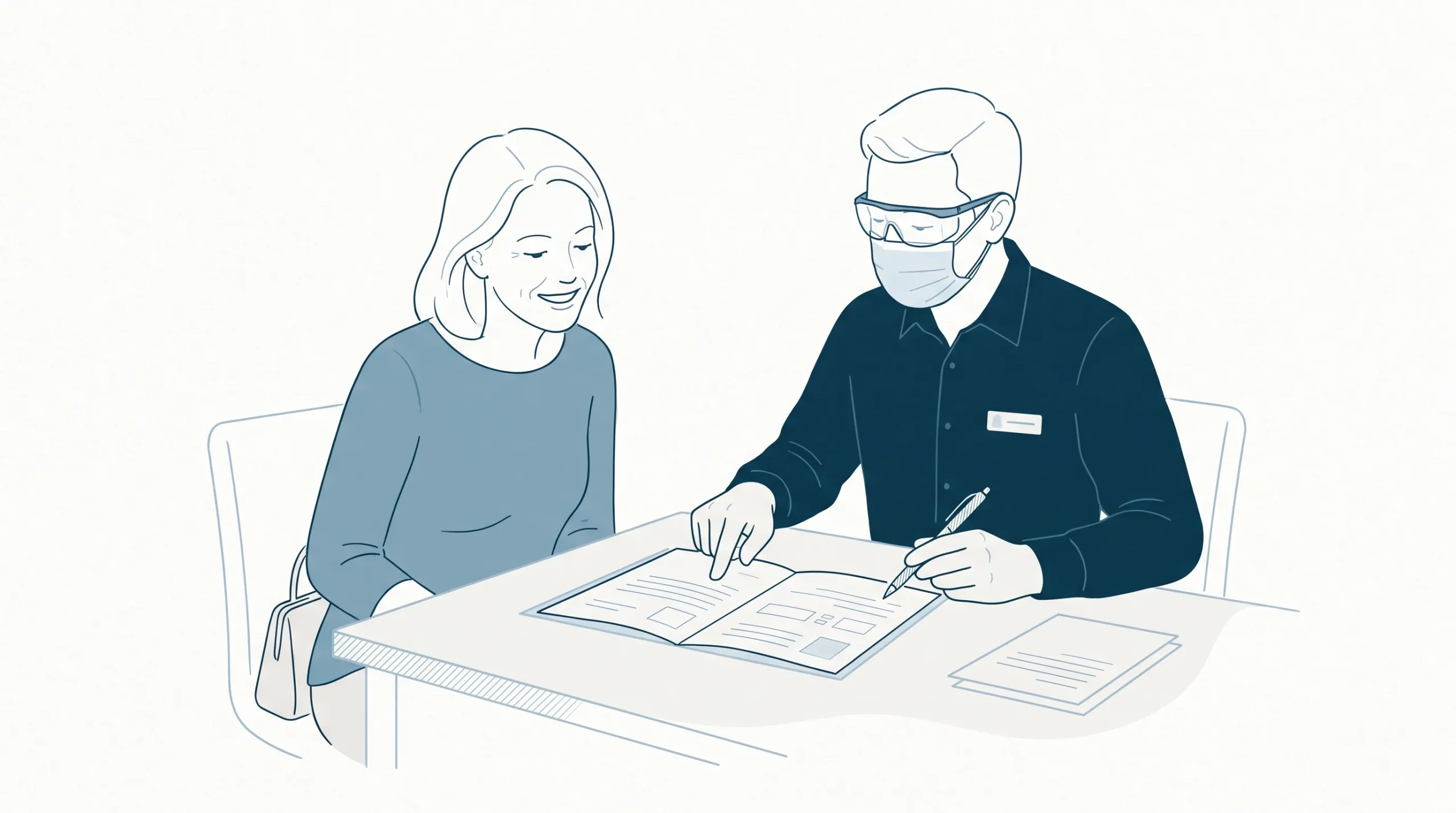
For dental insurance for private dentist visits, the most useful step is to contact your health fund before starting treatment, especially if the treatment is more involved than a routine check-up. Ask for information in writing where possible, as this can make it easier to compare your expected rebate with your treatment plan.
You can ask your health fund:
- Whether your policy includes general dental, major dental or orthodontic benefits
- Whether waiting periods apply to the treatment you are considering
- What annual limits and sub-limits apply
- Whether your remaining limit is enough to claim the expected benefit
- Whether the fund needs item numbers or a written quote before confirming a rebate
- Whether any exclusions apply for cosmetic or elective treatment
This is similar to checking inclusions and conditions before making any considered purchase, such as comparing delivery, returns and product details through a retailer like Fabbrica Ski Sises. The label or headline can be helpful, but the fine print usually tells you what is actually included.
What to ask your dentist about costs and claiming
Your dentist cannot decide what your health fund will pay, but they can provide information that helps you check your cover. For planned treatment, this may include item numbers, an estimate of fees and an explanation of the recommended options.
A treatment plan can be useful when care involves several visits or more than one possible approach. It allows you to ask your health fund about likely rebates before deciding how to proceed. It also gives you time to consider the potential benefits, limitations, risks and alternatives of the treatment discussed.
Dental insurance for private dentist treatment should not be the only factor in your decision. A lower out-of-pocket cost does not automatically mean a treatment is suitable, and a higher cost does not mean it is necessary. Your dentist can assess your oral health, medical history, symptoms and goals before discussing options that may be appropriate for your circumstances.
If your rebate is lower than expected
A lower rebate does not always mean something has gone wrong. It may simply reflect your policy limits, waiting periods or remaining annual balance. If you are unsure, ask your health fund to explain how the benefit was calculated and whether any limits have already been used.
Where treatment is not urgent, you may be able to discuss timing, staged treatment or alternative options with your dentist. This depends on your oral health needs and should be assessed clinically. Delaying necessary care may allow some conditions to worsen, so it is better to ask for guidance rather than making assumptions based only on cover.
If budgeting is a concern, you may also wish to read about how a teeth payment plan may help you budget for care. Payment arrangements are separate from health fund rebates, but they may help some patients plan for out-of-pocket costs.
Dental insurance and children’s dental care
Parents may have more than one pathway to consider. Some children are covered under a family extras policy, while others may be eligible for government assistance through the Child Dental Benefits Schedule. These are different systems with different rules.
Dental insurance for private dentist appointments for children may cover routine examinations, cleans, fissure sealants, fillings or other services, depending on the family policy. The Child Dental Benefits Schedule may also help eligible children access certain basic dental services, subject to government rules and benefit limits.
Bright Smiles supports children’s bulk billing where eligible under applicable arrangements. If you are unsure whether your child can access a particular benefit, it is sensible to check eligibility before the appointment and bring any relevant details with you.
Frequently asked questions
Does dental insurance cover all private dentist fees? No. Most policies pay a rebate up to the limits of your cover. You may still have a gap to pay, and some services may be excluded.
Can I claim for cosmetic dental treatment? It depends on your health fund and the treatment. Some cosmetic services may be excluded or only partly covered. Ask your fund about item numbers and any cosmetic treatment exclusions before proceeding.
Is private dental insurance the same as Medicare? No. Medicare generally does not cover routine adult dental treatment in private practice. Private dental cover usually sits within an extras policy from a private health insurer.
Can I use dental insurance for private dentist care at Bright Smiles? You can ask your health fund whether your policy provides benefits for the item numbers related to your appointment. The Bright Smiles team can provide relevant treatment information where appropriate, but your fund determines the rebate.
Making an informed decision about cover and care
Dental insurance for private dentist visits can help reduce some treatment costs, but it is rarely a simple “covered or not covered” question. The amount you receive depends on your policy, item numbers, annual limits, waiting periods and the type of care recommended.
A dental examination can help identify what treatment, if any, may be appropriate for your oral health. To discuss your concerns, you can book an appointment with Bright Smiles at either the Brightwater or Currimundi location. Your dentist can explain possible options, including potential benefits, risks, limitations and alternatives, so you can make an informed decision based on your circumstances.