

General dental treatment can cover a wide range of care, from routine check-ups and cleans through to fillings, gum care, toothache assessment and planning for longer-term oral health. If you are not sure what you need, a dental examination is usually the starting point because it helps your dentist understand what is happening before discussing suitable options.
For many people, “general dentistry” simply means looking after the health and function of the teeth, gums, mouth and jaw. It is not one single procedure. It may involve prevention, early diagnosis, repair of damaged teeth or advice about habits that affect your oral health.
What general dental treatment may include
General dental care is often tailored to your age, oral health, symptoms, medical history and previous dental work. Two people may book the same type of appointment but need quite different care once the dentist has examined their mouth.
Common areas of care may include:
- Dental examinations and oral health checks
- Scale and cleans to remove plaque and tartar
- Dental X-rays when clinically appropriate
- Fillings for tooth decay or small fractures
- Gum health assessment and periodontal care
- Advice about brushing, flossing, diet and fluoride
- Toothache, sensitivity or broken tooth assessment
- Mouthguards, fissure sealants or preventive care where suitable
- Treatment planning for more complex needs
If you want a broader overview of specific services, Bright Smiles has a separate guide to common general dentistry services and what each one may involve.
The first step is finding out what is happening
A dental examination is not just a quick look at the teeth. Your dentist may ask about your concerns, medical history, medications, previous dental experiences and any symptoms such as pain, bleeding gums or sensitivity.
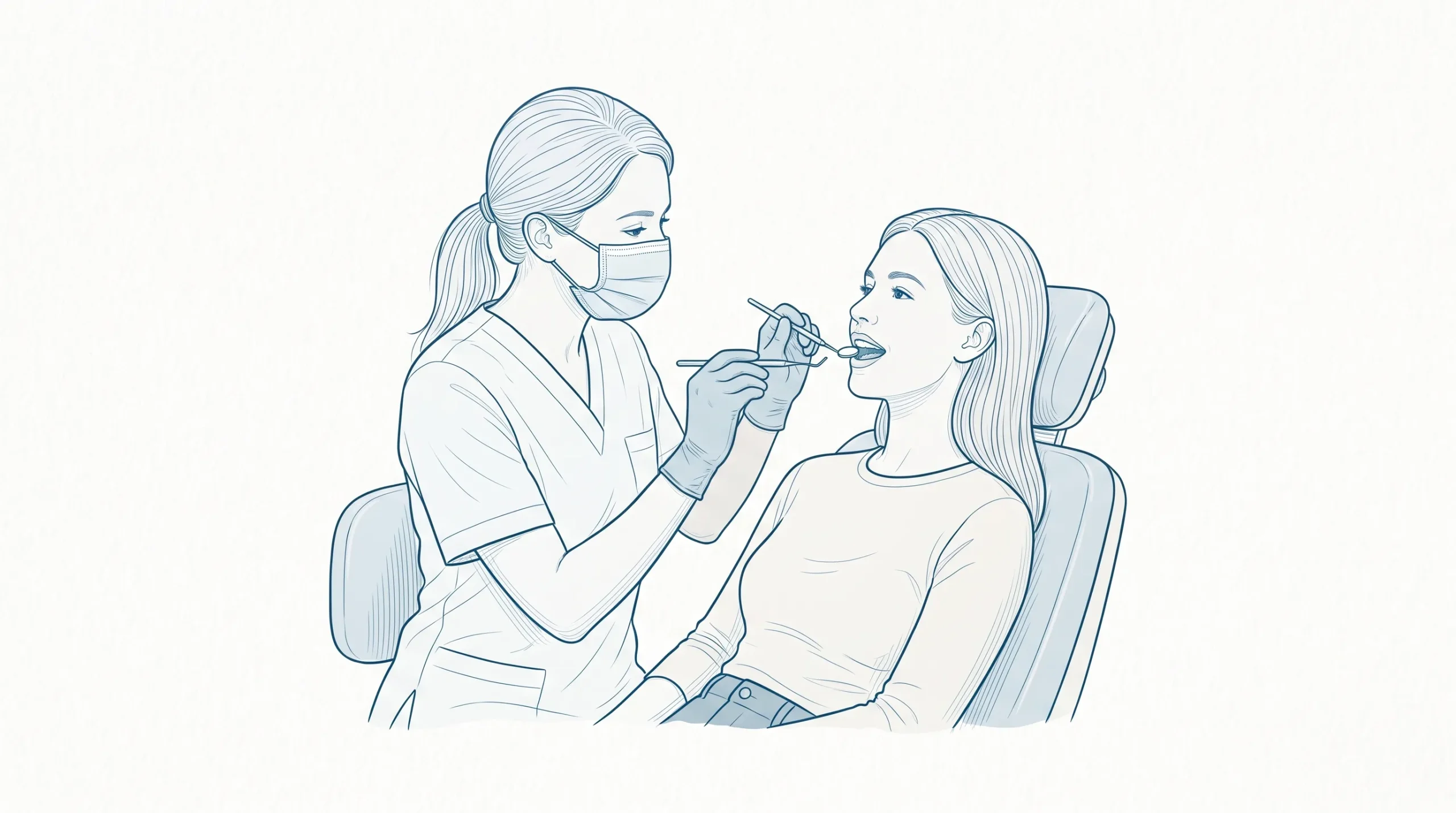
During this visit, your dentist may check your teeth, gums, soft tissues, bite and existing restorations such as fillings or crowns. X-rays may be recommended if they are needed to see areas that cannot be checked properly by sight alone, such as between teeth or around tooth roots.
This part of general dental treatment helps form a diagnosis and treatment plan. The plan may be simple, such as monitoring an early area of wear, or it may involve discussing several options with different benefits, limitations, risks and costs.
Preventive care and dental hygiene
Preventive care aims to reduce the chance of dental problems developing or worsening. It does not remove every risk, but it can support healthier teeth and gums when combined with daily home care.
A scale and clean may be recommended to remove plaque and tartar that brushing cannot fully clear. Plaque is a soft bacterial film. Tartar, also called calculus, is hardened plaque that usually needs professional removal. Your dentist or dental professional may also discuss bleeding gums, areas you find difficult to clean and ways to adjust your home routine.
The Australian Dental Association’s patient resource, Teeth.org.au, provides plain-language information on daily oral care, including brushing with fluoride toothpaste and cleaning between the teeth.
Preventive general dental treatment may also include fluoride advice, dietary guidance, review of acid wear or fissure sealants for some children and teenagers. If you have tartar build-up, bleeding gums or staining, our article on when a dental hygiene service may be recommended explains this area in more detail.
Restorative care for damaged or decayed teeth
Restorative dentistry focuses on repairing teeth that have been affected by decay, cracks, wear or trauma. The aim is usually to restore function, protect remaining tooth structure where possible and reduce the risk of the problem progressing.
A filling may be considered when decay or a small fracture has affected part of a tooth. For larger areas of damage, your dentist may discuss whether a crown, onlay or other restoration is appropriate. If the nerve inside a tooth is inflamed or infected, root canal treatment or extraction may be discussed, depending on the tooth, symptoms and your individual circumstances.
Every procedure has possible benefits, limitations and risks. For example, teeth can be sensitive after treatment, restorations may need replacement in the future and not every tooth can be repaired predictably. Your dentist can explain why a particular option may be suitable and what alternatives may be available.
Care for children, teens and families
General dentistry can look different at each age. For children, appointments may include checking tooth development, brushing habits, diet, fluoride exposure, jaw growth and whether baby teeth are being lost at expected times. Some children may benefit from preventive care such as fissure sealants, depending on their teeth and decay risk.
For teenagers, the focus may shift toward orthodontic development, wisdom teeth monitoring, mouthguards for sport and managing sugary or acidic drinks. Adults may need closer attention to gum health, tooth wear, cracked fillings, sensitivity or changes linked with medical conditions and medications.
At Bright Smiles, general dental treatment may be part of ongoing family oral care at both the Brightwater and Currimundi locations. Children’s bulk billing may be available where eligibility requirements are met, so it is reasonable to ask the reception team what information is needed when booking.
When symptoms may need prompt dental assessment
Not every dental concern is an emergency, but some symptoms should be assessed sooner rather than later. These may include facial swelling, severe toothache, dental trauma, a knocked-out adult tooth, uncontrolled bleeding, a broken tooth causing pain or signs of infection.
If swelling is affecting breathing, swallowing or your general health, seek urgent medical care. For dental injuries or toothache that is not life-threatening but still concerning, a dentist can assess the cause and discuss appropriate next steps. Avoid placing aspirin directly on the gum or tooth, as this can irritate soft tissue.
If you are unsure what to do in a dental emergency, Bright Smiles has a practical guide on what to do if you need emergency dental treatment. It can help you understand common situations before arranging care.
How your dentist decides what may be appropriate
Dentists do not usually recommend treatment based on one factor alone. They consider the condition of the tooth, gum health, bite, medical history, symptoms, X-rays where needed, your goals and how different options may hold up over time.
For example, a small cavity may need a different approach from a large cracked filling. Bleeding gums may require improved home care, professional cleaning or more detailed periodontal treatment depending on the cause and severity. Tooth sensitivity might be linked to gum recession, enamel wear, decay, grinding or a cracked tooth.
Good general dental treatment planning should include a clear explanation of the issue, why treatment may or may not be recommended, what alternatives exist and what could happen if you choose to monitor the area instead. In some cases, monitoring is a reasonable option. In others, delaying care may allow the condition to progress.
Costs, health insurance and planning ahead
Dental costs vary because treatment needs vary. A routine examination and clean is different from a filling, root canal treatment, extraction or more complex restorative care. Before proceeding, you can ask for an estimate, what is included and whether there may be additional costs if the situation changes during treatment.
Private health insurance may reduce out-of-pocket costs depending on your level of extras cover, annual limits, waiting periods and the item numbers involved. If you have insurance, it may be useful to check your remaining limits and any expected gap before treatment.
Bright Smiles supports flexible payment options, and our article on how a teeth payment plan may help you budget for care explains questions to ask before choosing that type of arrangement. General dental treatment should be planned in a way that helps you understand clinical priorities as well as financial considerations.
What to expect when booking with Bright Smiles
Bright Smiles sees patients at Brightwater, serving the Mountain Creek and Kawana Waters area, and at Currimundi, serving the Caloundra area. If you are booking because of a specific concern, mention your symptoms when arranging the appointment so the team can allocate an appropriate visit type.
At your appointment, your dentist can examine your mouth, discuss findings and explain possible options. You are entitled to ask questions about benefits, risks, costs, alternatives and what may happen if you delay or decline a recommended procedure.
A treatment plan is not a commitment to proceed immediately. It is a way to understand your oral health and make an informed decision based on your needs, preferences and circumstances.
Frequently asked questions
Is general dental treatment only for people with tooth pain? No. It may include preventive visits, oral health checks, gum care, fillings and advice even when you do not have symptoms. Tooth pain is one reason to attend, but many dental issues are easier to manage when detected earlier.
How often should I have a dental check-up? The right interval varies. Some people are advised to attend every six months, while others may need a different schedule depending on decay risk, gum health, medical history and previous dental problems. Your dentist can recommend a review interval after assessing your mouth.
Will I need X-rays at every appointment? Not necessarily. Dental X-rays are recommended when they are clinically justified, such as when your dentist needs more information than can be seen during an examination. The timing depends on your oral health, symptoms and risk factors.
Can general dental treatment include cosmetic concerns? It can sometimes overlap. For example, a chipped tooth may involve both function and appearance. However, oral health is usually assessed first so your dentist can explain whether cosmetic options may be suitable and whether any general dental care is needed beforehand.
What should I bring to my first appointment? Bring details of your medical history, medications, allergies, private health insurance information if relevant and any dental records or X-rays you already have. If you are attending for a child, bring any eligibility details requested when booking.
Discuss your dental concerns with Bright Smiles
If you are unsure what type of dental care you need, a dental examination can help identify the cause of your concerns and which options may be appropriate. Your dentist can explain the potential benefits, risks and alternatives before you decide how you would like to proceed.
To discuss general dental treatment, you can book an appointment with the team at Bright Smiles at either the Brightwater or Currimundi location.