

A dental hygiene service may be recommended when plaque, tartar, staining or gum inflammation needs attention beyond what brushing and flossing can manage at home. It may also be suggested as part of a regular preventive care plan, especially if you have bleeding gums, a history of gum problems, braces, dental restorations or health factors that can affect your mouth.
It is not about being judged for your oral care. A hygiene appointment is a practical way to check what is happening, remove hardened deposits and give you advice that fits your teeth, gums and daily routine.
What a dental hygiene service usually involves
A dental hygiene service is a preventive dental appointment focused on cleaning the teeth and supporting gum health. Depending on the practice and your needs, it may be provided by a dentist, dental hygienist or oral health therapist.
During the appointment, your dental team may check your teeth and gums, remove plaque and tartar, polish the teeth and discuss ways to improve your home care. Plaque is the soft film of bacteria that forms on teeth. Tartar, sometimes called calculus, is plaque that has hardened and cannot be removed with a toothbrush.
The aim is to reduce factors that may contribute to tooth decay, gum irritation and gum disease. It is also a chance to ask questions about brushing, flossing, mouthwash, diet, dry mouth or cleaning around dental work.
For general oral health guidance, the Australian Dental Association’s patient resource Teeth.org.au provides helpful information about everyday dental care, including brushing, cleaning between teeth and preventive visits.
Common reasons your dentist may recommend a dental hygiene service
A hygiene appointment may be suggested for many different reasons. Some people are referred after a dental examination. Others book preventive care because they want support with their routine or have noticed changes in their gums.
Your dentist may recommend a dental hygiene service if they identify:
- Plaque or tartar build-up, especially near the gumline or between teeth
- Bleeding gums when brushing or flossing
- Gum swelling, tenderness or recession
- Persistent bad breath that may be linked to plaque or gum inflammation
- Staining from coffee, tea, red wine, tobacco or certain foods
- Difficulty cleaning around braces, retainers, crowns, bridges or implants
- A history of gingivitis or periodontal disease
- Dry mouth, which may increase the risk of decay for some patients
- Changes related to pregnancy, diabetes, smoking or certain medicines
Bleeding gums are common, but they are not something to ignore. They can be a sign of gingivitis, which means early gum inflammation. If gum disease progresses, it may affect the tissues and bone that support the teeth. A dentist can assess what is causing the bleeding and explain what care may be appropriate.
How this differs from a general check-up
A dental check-up and a hygiene appointment often overlap, but they are not exactly the same. A check-up focuses on assessing your teeth, gums, mouth, jaw and existing dental work. A hygiene service focuses more closely on cleaning, plaque control and gum health.
In many cases, they are arranged together. This can be convenient because your dentist can assess your oral health and your hygiene care can be tailored to what is found during the examination.
Bright Smiles has previously explained why regular dental check-ups are important for early detection and prevention. A hygiene service can complement this by helping manage the daily build-up that contributes to many common dental problems.
What may happen during the appointment
Your appointment will depend on your oral health, medical history and the condition of your teeth and gums. For many patients, it includes a mix of assessment, cleaning and practical advice.
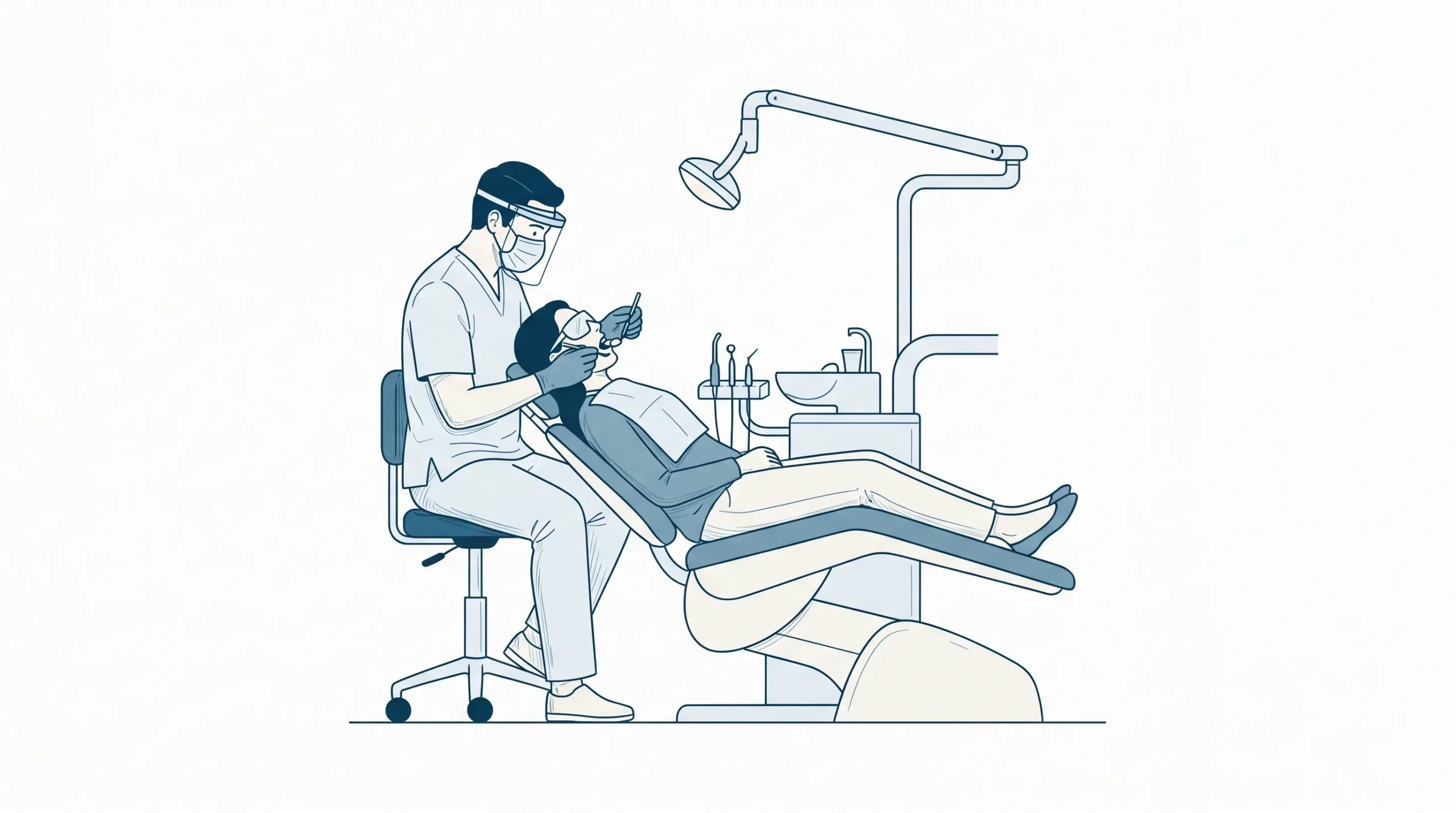
A typical dental hygiene visit may include:
- A discussion about your dental concerns, home care routine and medical history
- A gum health check, which may include measuring spaces around the teeth if gum disease is suspected
- Scaling to remove plaque and tartar from the teeth and gumline
- Polishing to smooth the tooth surfaces and remove some surface staining
- Fluoride or preventive advice, where clinically appropriate
- Guidance on brushing technique, flossing, interdental brushes or other cleaning tools
Scaling may be done with hand instruments, ultrasonic instruments or both. Some people experience temporary sensitivity or gum tenderness afterwards, particularly if their gums were already inflamed. Let your dental team know if you have sensitive teeth, dental anxiety, a strong gag reflex or any medical conditions that may affect treatment.
Signs that your gums may need closer attention
Gum health is one of the main reasons a dental hygiene service may be recommended. Early gum inflammation may be reversible with appropriate care, but more advanced gum disease needs professional assessment and ongoing management.
You should consider booking a dental examination if you notice bleeding gums, gums that look swollen or red, teeth that feel loose, gums pulling away from teeth or bad breath that does not improve with routine cleaning. These symptoms can have different causes, so it is better not to self-diagnose.
Some common hygiene habits can also irritate the gums. Brushing too hard, missing the gumline or relying on mouthwash instead of cleaning between teeth may all contribute to problems. Bright Smiles has a separate guide on dental hygiene mistakes that can affect your gums if you want practical tips to review your routine.
When hygiene care may be recommended more often
There is no single schedule that suits everyone. Six-monthly dental visits are common for many patients, but your dentist may suggest a different interval based on your risk of decay, gum disease, tartar build-up or other oral health concerns.
| Situation | Why hygiene care may be recommended |
|---|---|
| Frequent tartar build-up | Tartar cannot be brushed away at home and may irritate gums |
| Bleeding or inflamed gums | Professional cleaning and home care advice may help reduce contributing factors |
| Braces or fixed retainers | Extra surfaces and wires can make plaque control harder |
| Crowns, bridges or implants | Cleaning around dental work may need extra care and technique |
| Dry mouth | Reduced saliva can affect comfort and may increase decay risk for some patients |
| Smoking or vaping | Gum health and staining may need closer monitoring |
| Medical considerations | Conditions such as diabetes, or some medicines, can affect oral health needs |
If you are unsure how often to attend, your dentist can make a recommendation after checking your mouth. Bright Smiles also has a helpful article on how often you may need to go to the dentist and why the answer varies between patients.
Children, teenagers and family hygiene care
Children and teenagers can also benefit from preventive dental care, especially while they are learning to brush properly or if they wear braces or mouthguards. A hygiene-focused visit may include plaque checks, cleaning, fluoride advice, dietary guidance and tips for parents or carers.
For eligible children, the Child Dental Benefits Schedule may help cover basic dental services. Services Australia explains eligibility and claiming information for the Child Dental Benefits Schedule. Bright Smiles also supports children’s bulk billing, and families can ask the team about eligibility and any costs before treatment begins.
Some children and adults have oral care needs that overlap with feeding, speech, sensory or developmental support. If your family works with allied health providers, such as speech and language therapy services, mention this during the dental appointment so your dental team can better understand any oral function, communication or comfort considerations.
What a hygiene service can and cannot do
A dental hygiene service can help remove plaque and tartar, support gum health and provide personalised advice for home care. It may also remove some external staining from the tooth surface. However, it does not change the natural internal colour of teeth in the way tooth whitening may, and it cannot repair cavities, replace worn fillings or treat all gum disease on its own.
If decay, cracked teeth, infection, advanced periodontal disease or other concerns are found, your dentist may discuss other options. These may include further monitoring, fillings, periodontal treatment, X-rays, referral or other care depending on your situation.
All dental procedures carry potential benefits and risks. For hygiene care, possible short-term effects can include tooth sensitivity, tender gums or minor bleeding when gums are inflamed. Your experience will depend on your oral health, sensitivity levels, medical history and the amount of cleaning required.
How to prepare for your appointment
You do not need to do anything complicated before a hygiene visit. It helps to bring a list of medicines, tell the team about any medical conditions and mention if you are pregnant, taking blood-thinning medicines or have had recent surgery or significant health changes.
If you feel nervous about dental appointments, let the team know when booking or when you arrive. Many people feel anxious about dental care, and talking about this early can make the visit easier to plan. You can also bring questions about products you use at home, such as electric toothbrushes, floss, interdental brushes, mouthwash or whitening toothpaste.
Try not to brush aggressively right before the appointment to make things look “better”. Your dental team needs to see what is really happening so they can give advice that suits your routine.
Frequently asked questions
Is a dental hygiene service the same as teeth cleaning? Teeth cleaning is usually part of a dental hygiene service, but hygiene care can also include gum checks, plaque control advice, preventive education and support for cleaning around dental work.
How often should I book a dental hygiene appointment? The right interval depends on your oral health. Some people may be advised to attend every six months, while others may need shorter or longer intervals based on gum health, decay risk and tartar build-up.
Will a hygiene appointment whiten my teeth? A hygiene appointment may remove some surface staining, which can make teeth look cleaner. It does not change the underlying tooth colour in the same way as professional whitening treatment.
Can I have a hygiene service if my gums bleed? Yes, bleeding gums are one reason a dentist may recommend assessment and hygiene care. The cause needs to be checked, as bleeding can be linked to brushing technique, plaque build-up, gingivitis or other gum concerns.
Is dental hygiene care suitable for children? It can be appropriate for children depending on their age, oral health and needs. A dentist or oral health therapist can assess your child and explain suitable preventive care, including brushing advice and dietary guidance.
Discuss dental hygiene care with Bright Smiles
If you have noticed bleeding gums, tartar build-up, staining or changes in your oral health, a dental examination can help determine whether a dental hygiene service may be appropriate.
Bright Smiles sees patients at both the Brightwater and Currimundi locations on the Sunshine Coast. To discuss your concerns, you can book an appointment with the team and ask what preventive care options may suit your individual needs.