

Bleeding gums are common, but they are not something to ignore. Dental hygiene mistakes can irritate the gumline, allow plaque to build up and make early gum inflammation harder to spot. The good news is that many everyday habits can be adjusted with simple, gentle changes at home.
Gums support and protect your teeth. When they become inflamed, tender or prone to bleeding, it may be a sign that plaque is sitting along or under the gumline. Sometimes gum concerns develop with very little discomfort, so relying on pain alone is not a reliable way to judge your oral health.
This guide explains the common dental hygiene mistakes that can affect your gums, what to do instead and when it is sensible to book a dental examination.
How dental hygiene affects your gums
Plaque is a soft, sticky film of bacteria that forms on teeth throughout the day. If it is not removed properly, it can collect around the gumline and between teeth. This may lead to gingivitis, which is early gum inflammation. Gingivitis can often be improved when plaque is removed consistently, but a dentist should assess ongoing bleeding or swelling.
If plaque remains for long enough, it can harden into tartar, also called calculus. Tartar cannot be brushed or flossed away at home and usually needs professional cleaning. In some people, gum inflammation can progress to periodontitis, a more serious gum condition that affects the supporting structures around the teeth.
It is also important to know that gum health is not only about how well you brush. Smoking, vaping, diabetes, pregnancy, dry mouth, some medicines, genetics, crowded teeth and previous dental work can also influence gum health. A dental examination can help work out what may be contributing in your individual situation.
For a broader refresher on daily oral care, Bright Smiles has a practical guide to taking care of your teeth and gums.
Dental hygiene mistakes that can affect your gums
Brushing too hard
Many people scrub because they want their teeth to feel extra clean. Unfortunately, firm pressure can irritate the gumline and may contribute to gum recession over time, particularly when combined with a hard-bristled brush.
A soft-bristled toothbrush and gentle pressure are usually more suitable. Think of brushing as cleaning the surface, not sanding it. Small circular movements along the gumline can be more effective than forceful back-and-forth scrubbing.
Missing the gumline
Brushing the chewing surfaces is useful, but plaque often gathers where the tooth meets the gum. If the brush misses this area, the gums may stay inflamed even when the teeth look clean.
Try angling the bristles slightly towards the gumline and moving slowly around each section of the mouth. The inside surfaces of the lower front teeth and the outside surfaces of the upper back teeth are common areas people rush.
Brushing for too little time
A quick brush before leaving the house may not remove plaque properly. Many people cover the front teeth well but run out of time before cleaning the back teeth, tongue side surfaces and gumline.
Brushing twice a day for about two minutes is a common recommendation. If you tend to rush, a toothbrush with a timer or a simple phone timer can help build consistency.
Not cleaning between teeth
A toothbrush cannot properly clean the tight spaces between teeth. Plaque and food debris can sit there, irritating the gums and contributing to bleeding when you floss.
Floss, interdental brushes or water flossers may be used depending on the size of the gaps, your dexterity and your dental work. Interdental brushes can be useful for larger spaces, but they need to fit comfortably. If they bend, jam or hurt, ask your dentist or oral health therapist about the right size.
Snapping floss into the gums
Flossing should not feel like cutting into the gum. Snapping floss straight down can make the gums sore and may discourage you from continuing.
A gentler method is to guide the floss down the side of each tooth, curve it into a C shape and move it slightly under the gum edge without forcing it. If your gums bleed when you start flossing, it may settle as plaque reduces, but persistent or heavy bleeding should be checked.
Rinsing straight after brushing
Many people rinse thoroughly with water after brushing because it feels fresh. The downside is that rinsing may wash away fluoride from toothpaste before it has had time to remain on the teeth.
For many patients, spitting out excess toothpaste rather than rinsing straight away may help fluoride stay in contact with the teeth. If you have specific concerns, such as dry mouth, mouth ulcers or sensitivity, ask your dentist what is appropriate for you. Bright Smiles has also covered this habit in more detail in an article about whether you should rinse your mouth after brushing.
Relying on mouthwash instead of brushing and flossing
Mouthwash can be useful in some circumstances, but it does not replace mechanical cleaning. Plaque needs to be disrupted from the tooth surface. If a mouthwash gives a fresh feeling, it can mask bad breath without dealing with the underlying cause.
Some medicated mouth rinses are designed for short-term or specific use and may not be suitable for everyone. It is best to follow the advice of your dentist, pharmacist or product instructions.
Using worn toothbrushes or brush heads
Old bristles bend and fray, which makes them less effective at reaching the gumline. They can also feel rough against the gums.
Replacing your toothbrush or electric brush head about every three months is a useful guide, or earlier if the bristles are splayed. If your brush frays quickly, it may be a sign that you are pressing too hard.
Ignoring bleeding because there is no pain
Gum problems do not always hurt, especially in the early stages. Bleeding when brushing or flossing, red or puffy gums, ongoing bad breath, gum recession, tenderness, pus, loose teeth or a change in the way your teeth bite together should be assessed.
For a patient-friendly overview of warning signs, this article on common gum disease symptoms explains why gum disease can develop quietly before more obvious problems appear.
Stopping cleaning because the gums bleed
It can be tempting to avoid an area that bleeds. However, if bleeding is caused by plaque-related inflammation, avoiding the area can allow more plaque to build up and may keep the gums irritated.
A gentle approach is usually better than stopping altogether. Keep brushing softly along the gumline and clean between the teeth carefully. If bleeding continues for more than a short period, or if you are unsure what is causing it, arrange a dental examination.
| Dental hygiene mistake | How it may affect the gums | A gum-friendly approach |
|---|---|---|
| Scrubbing hard | Can irritate the gumline and contribute to recession in some people | Use a soft brush and gentle pressure |
| Missing the gumline | Allows plaque to remain where inflammation often starts | Angle bristles towards the gumline and brush slowly |
| Skipping between-teeth cleaning | Leaves plaque in areas a toothbrush cannot reach | Use floss, interdental brushes or another suitable option |
| Relying on mouthwash only | May freshen breath without removing plaque | Use mouthwash only as an addition when appropriate |
| Waiting for pain | Gum inflammation may develop with little discomfort | Book an assessment for ongoing bleeding, swelling or bad breath |
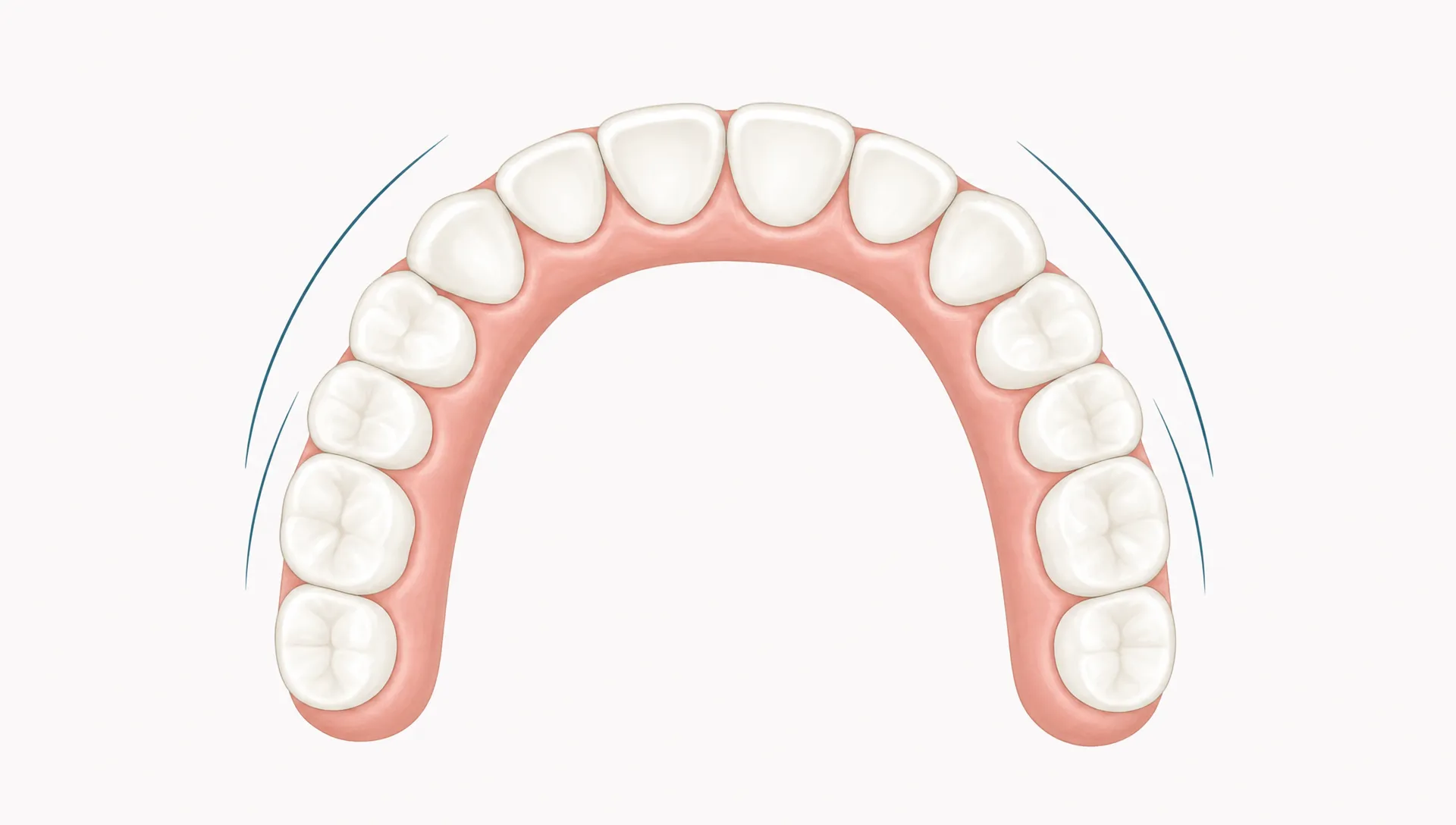
A simple gum-friendly dental hygiene routine
A consistent routine does not need to be complicated. For many adults, the basics are more effective when they are done gently and regularly rather than aggressively.
A gum-friendly routine may include:
- Brush twice daily with fluoride toothpaste, using a soft-bristled brush.
- Spend about two minutes brushing, with attention to the gumline and back teeth.
- Clean between teeth once daily with floss or another suitable interdental tool.
- Spit out excess toothpaste after brushing, and ask your dentist if rinsing is appropriate for you.
- Replace your toothbrush or brush head when the bristles become worn.
- Keep regular dental checks at an interval recommended for your oral health needs.
If you are caring for children, teenagers or older family members, habit design matters. Keeping toothbrushes visible, linking brushing to an existing routine and choosing age-appropriate products can make oral care easier to maintain. Bright Smiles has more practical suggestions in its guide to healthy dental habits for busy families.
When to speak with a dentist about your gums
You do not need to wait until gum symptoms become severe. A dental appointment is sensible if you notice bleeding that keeps returning, gums that look swollen or shiny, persistent bad breath, gum recession, teeth feeling loose, pain when chewing, pus around a tooth or a change in your bite.
You should also mention gum concerns if you are pregnant, have diabetes, smoke or vape, take medicines that cause dry mouth or have a family history of gum disease. These factors do not mean you will definitely develop gum disease, but they may affect your risk and the type of care that is appropriate.
Some symptoms may need prompt attention, particularly facial swelling, spreading infection signs, fever, trauma, severe pain or difficulty swallowing. In those situations, contact a dental clinic or appropriate health service for timely advice.
What a gum health appointment may involve
A gum assessment is usually focused on finding the cause of the symptoms and checking whether there are areas that need closer monitoring or treatment. Depending on your needs, your dentist may ask about your brushing routine, flossing habits, medical history, medicines, smoking or vaping and any changes you have noticed.
They may examine your teeth and gums, check plaque and tartar levels, measure gum pockets around the teeth and discuss whether X-rays are needed. If tartar is present, a professional clean may be recommended. If signs suggest more advanced gum disease, your dentist can explain possible next steps, which may include periodontal treatment or referral when appropriate.
All dental procedures and treatments carry potential benefits and risks. The right approach depends on your oral health, medical history, comfort, goals and the findings of a clinical examination. Your dentist can explain options in a way that helps you make an informed decision.
Small changes that can make cleaning easier
If you find flossing difficult, you are not alone. Dexterity, tight contacts between teeth, braces, retainers, crowns, bridges or implants can all change what works best. Rather than forcing a tool that is uncomfortable, ask your dental team to show you alternatives.
Electric toothbrushes may be helpful for some patients, particularly if they have difficulty maintaining consistent motion or pressure. However, technique still matters. Pressing too hard with an electric brush can still irritate the gums, so let the brush do the movement and guide it slowly.
If your gums feel tender, switch to gentle cleaning rather than avoiding the area. If tenderness, swelling or bleeding continues, professional assessment is important because the cause may not be obvious at home.
Frequently asked questions
Is bleeding after flossing normal? Mild bleeding can happen when you first start cleaning between teeth, especially if plaque has built up. It should not be ignored if it continues, is heavy or occurs every time you brush or floss. A dentist can check whether inflammation, technique or another factor is involved.
Can brushing too hard damage my gums? Brushing with too much pressure may irritate the gums and can contribute to gum recession in some people. A soft-bristled brush and gentle technique are usually more suitable than scrubbing.
Is mouthwash enough to protect my gums? Mouthwash alone is not enough because it does not physically remove plaque from the tooth surface. Brushing and cleaning between teeth remain the foundation of gum care, with mouthwash used only when appropriate.
How often should I have my gums checked? The right interval varies. Some people are advised to attend about every six months, while others may need more or less frequent care depending on gum health, decay risk, medical factors and previous dental history.
Can gum recession grow back with better hygiene? Receded gum tissue usually does not simply grow back. However, gentle cleaning and professional care may help reduce irritation and support stability. Your dentist can assess the cause and discuss whether any treatment options may be suitable.
Concerned about your gums?
If your gums bleed, feel tender or look swollen, a dental examination can help determine what may be causing the problem and which options may be appropriate. Small changes to your dental hygiene routine can make a meaningful difference, but persistent symptoms are worth checking.
To discuss your concerns, you can book an appointment with the team at Bright Smiles at either the Brightwater or Currimundi location. Your dentist can assess your gum health and explain the potential benefits, risks and alternatives of any recommended care.