

If you have searched for dental insurance teeth whitening cover, the short answer in Australia is that whitening is usually treated as a cosmetic dental service. That means it is often not covered, or only partly covered, by private health extras. Some policies may pay a limited rebate in certain circumstances, but this depends on your health fund, your level of cover, waiting periods and annual limits. Before you book, it is sensible to check your policy and have your teeth assessed by a dentist, especially if you have sensitivity, gum concerns, fillings, crowns or veneers.
Does dental insurance teeth whitening cover usually apply?
In Australia, “dental insurance” usually refers to private health insurance extras cover. Extras may help with some out-of-hospital services such as dental check-ups, cleans, fillings or orthodontics, depending on the policy. Cosmetic treatments are different. Teeth whitening is generally chosen to lighten the colour of natural teeth rather than treat disease or restore function, so health funds commonly limit or exclude benefits for it.
That does not mean every policy is the same. A health fund may treat whitening differently depending on the item number, the provider, the type of treatment and the wording of your extras cover. If a rebate is available, it may still be subject to annual limits, waiting periods and any remaining benefit balance for that year.
For a broader explanation of how extras can work at a private dental clinic, Bright Smiles has a separate guide on what dental insurance for a private dentist may cover.
Why whitening is often handled differently from other dental care
Many dental services are linked to diagnosis, prevention, repair or management of oral health problems. For example, a check-up may identify decay, a filling may repair a damaged tooth and gum treatment may help manage periodontal disease. Teeth whitening, by contrast, is usually an elective cosmetic option for natural tooth shade.
Because dental insurance teeth whitening decisions are policy-specific, it is best not to assume that a “general dental” limit automatically includes whitening. General dental benefits may cover preventive or basic treatment but still exclude cosmetic procedures. Major dental benefits may cover some crowns, bridges or dentures but also may not apply to whitening.
This distinction matters because teeth whitening is not necessary for everyone. Tooth colour varies naturally, and staining can have different causes, including food and drink, smoking, ageing, enamel wear, trauma or medication history. A dental assessment can help identify whether whitening may be appropriate or whether another issue needs attention first.
What to ask your health fund before whitening
Your health fund is the only party that can confirm whether your policy will pay a benefit. Your dentist may be able to provide treatment details, but the fund decides the rebate based on your cover.
A useful dental insurance teeth whitening check starts with asking clear, practical questions before treatment begins. If you receive a quote, keep a copy and ask your fund to confirm the answer in writing or through its app if that option is available.
| What to check | Why it matters | Question to ask your fund |
|---|---|---|
| Cosmetic exclusions | Whitening may be listed as cosmetic and excluded | “Does my policy cover teeth whitening?” |
| Item numbers or treatment codes | Funds often assess claims using dental item details | “Do you need the item number before confirming a benefit?” |
| Annual limits | You may have a yearly cap for dental benefits | “How much of my annual dental limit remains?” |
| Waiting periods | New or upgraded policies may not pay benefits straight away | “Is any waiting period still applying?” |
| Provider rules | Some funds apply different benefits depending on the provider arrangement | “Will my benefit change depending on where I have treatment?” |
The Australian Government’s PrivateHealth.gov.au website is a useful starting point for understanding private health insurance in Australia, including how extras policies differ.
Medicare, children’s benefits and whitening
Medicare generally does not cover routine private dental treatment for adults, and it is not designed to pay for elective cosmetic dental care. Healthdirect explains that most dental care is not covered by Medicare, although some public dental services may be available for eligible people.
For children, the Child Dental Benefits Schedule, often called CDBS, can help eligible families with the cost of some basic dental services. However, Services Australia states that the Child Dental Benefits Schedule does not cover orthodontic or cosmetic dental work. Teeth whitening should not be assumed to be included under a child dental benefit arrangement.
For Sunshine Coast families, this is an important distinction. Children and teenagers may have staining for reasons that need assessment, but cosmetic whitening is not automatically suitable, and age, enamel development, sensitivity and oral health need to be considered by a dentist.
Why a dental check matters before deciding
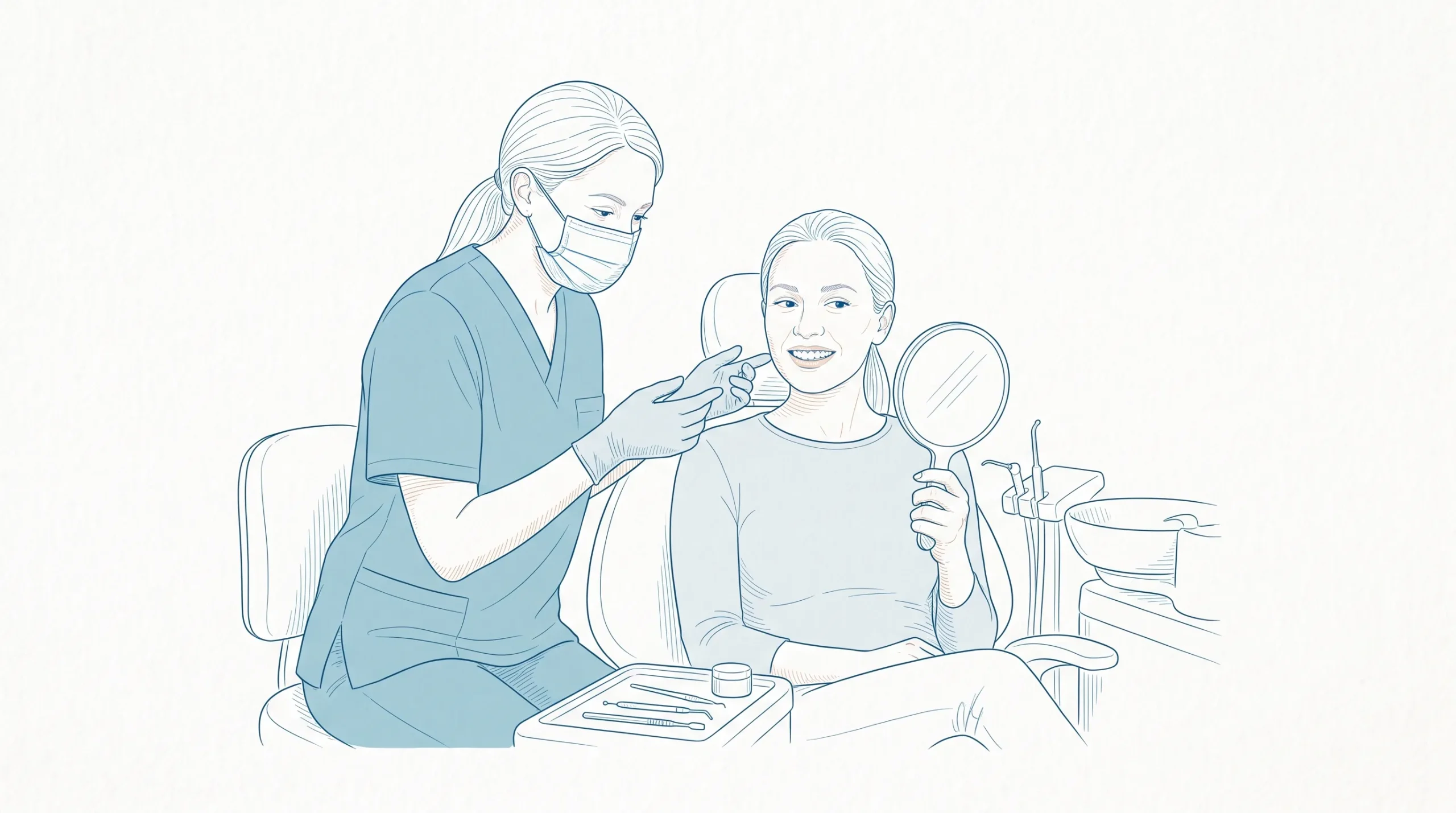
Even if your health fund does not contribute, a dental check can still be useful before whitening. Whitening products work on natural tooth structure, not on porcelain, composite resin or other restorative materials. This means crowns, veneers, bridges, fillings and some bonding materials may not change colour, which can leave uneven shades if they are visible when you smile.
A dentist can also check for concerns that may affect comfort or suitability, such as tooth decay, gum inflammation, enamel wear, exposed root surfaces, cracked teeth or existing sensitivity. If these are present, whitening may need to be delayed, modified or avoided depending on your circumstances.
For that reason, dental insurance teeth whitening cover is only one part of the decision. The more important question is whether the treatment is appropriate for your mouth. Bright Smiles explains this in more detail in its article on teeth whitening at the dentist, including benefits and limits.
Planning costs if whitening is not covered
If your policy does not pay a rebate, you can still ask for a clear cost estimate before deciding whether to proceed. This should include the type of whitening being considered, any appointment requirements and whether replacement or review appointments may be needed.
Some patients choose to delay whitening, compare different options or prioritise general dental care first. Others may decide that whitening is not necessary for them. There is no single correct choice, and a dentist should explain the potential benefits, limitations and alternatives in the context of your oral health.
If you are budgeting for dental care more broadly, you may find it helpful to read about how a teeth payment plan may help with budgeting for care. Payment options should be considered carefully, including any terms, fees and your own financial circumstances.
When a health fund rebate may still be possible
Some patients find that their fund offers a small benefit for whitening, particularly where the treatment is provided by a registered dental practitioner and the policy wording does not exclude it. Others find there is no benefit at all. Both situations are common enough that the safest approach is to check directly.
A dental insurance teeth whitening enquiry should ideally happen before you pay for treatment. Ask your dentist for the information your fund needs, then ask your fund to confirm whether a rebate applies. If you have recently changed policies, remember to ask about waiting periods and whether your yearly limit has already been used for other dental treatment.
Also check whether a claim for whitening would reduce the amount available for other dental care during the same policy year. For example, if your extras limit is shared across multiple dental services, using part of it for cosmetic care may affect what remains for check-ups or other treatment.
Frequently asked questions
Is teeth whitening covered by private health insurance? Sometimes, but it is often not covered because it is usually classed as cosmetic. Your fund can confirm whether your policy pays a benefit for the specific treatment and item details.
Can I claim teeth whitening through Medicare? Medicare generally does not cover routine private dental care or elective cosmetic dental treatment. Some government dental programs exist for eligible groups, but they should not be assumed to include whitening.
Can a dentist tell me exactly what my health fund will pay? A dentist can provide treatment information and an estimate of dental fees, but your health fund must confirm your rebate. Benefits depend on your policy, limits, waiting periods and remaining balance.
Will whitening work on crowns, veneers or fillings? Whitening products are designed to lighten natural tooth structure. They generally do not change the colour of crowns, veneers, fillings or bridges, so a dental assessment is useful before treatment.
What if my dental insurance teeth whitening claim is declined? Ask your fund why the claim was declined and whether it relates to an exclusion, waiting period, annual limit or missing item information. You can then decide whether to proceed without a rebate, delay treatment or consider other options.
Considering whitening on the Sunshine Coast?
If you are thinking about whitening, a dental examination can help determine whether it may be suitable for your teeth, gums and existing dental work. It can also give you the information you need to ask your health fund about possible benefits before making a decision.
Bright Smiles sees patients at both the Brightwater and Currimundi locations on the Sunshine Coast. To discuss your concerns, you can book an appointment with the Bright Smiles team and ask about your options, potential risks, limitations and expected costs before choosing whether to proceed.