

When we say dental care is health care, we mean that looking after your mouth is part of looking after your health, not simply your appearance. Dental care helps assess and manage tooth decay, gum disease, infection and problems with chewing. Your medical conditions and medicines can also affect your mouth and influence which treatments are appropriate.
The connection works both ways, but it needs careful explanation. Treating a dental problem does not guarantee protection against heart disease or other illnesses. The practical value lies in addressing oral disease, supporting everyday function and making sure your dental and medical care fit together.
Your mouth needs care for health, not just appearance
A tooth can look normal and still have decay. Gums can become inflamed without causing much discomfort. This is why an examination considers more than whether you like the appearance of your smile.
Dental care may involve checking teeth and gums, examining the soft tissues of your mouth and assessing symptoms such as pain or dryness. Depending on the findings, your dentist may recommend preventive advice, monitoring or treatment.
Not every concern needs a procedure. Some changes can be monitored, and normal differences in tooth shape or colour do not automatically need correcting. Cosmetic treatment is a personal choice, not a requirement for being healthy.
The aim is appropriate care based on your condition, preferences and circumstances, rather than treatment simply because an option exists.
Why dental care is health care for your whole body
The most direct effects of oral disease are often practical. A painful tooth may interrupt sleep. Missing or uncomfortable teeth can make some foods difficult to chew. A dry mouth may affect eating, speaking and swallowing.
Addressing these problems can support comfort and function, although the benefit depends on the cause and the treatment chosen. Some symptoms also need medical assessment rather than dental treatment alone.
There are connections between oral disease and certain general health conditions. The strength of the evidence varies, so it is useful to distinguish an established relationship from an association.
Diabetes and gum health need coordinated attention
Diabetes can increase the risk of gum disease, particularly when blood glucose levels are not well managed. Significant gum inflammation can also make glucose management more difficult. Healthdirect’s information about gum disease explains its symptoms, risk factors and connections with general health.
For someone with diabetes, recognising that dental care is health care means including gum health in discussions with both their dentist and their diabetes care team.
Dental treatment does not replace diabetes medicines, nutrition advice or medical reviews. Tell your dentist about your diabetes, any recent changes in management and any episodes of low blood glucose. This information can help inform appointment planning and treatment decisions.
Heart health links do not mean dental treatment prevents heart attacks
Gum disease and cardiovascular disease have been associated in research. They also share risk factors, including smoking. An association means conditions occur together more often, but it does not establish that one directly causes the other.
It would be misleading to promise that cleaning your teeth or treating your gums will prevent a heart attack. Dental care should be recommended for its oral health benefits, while heart health remains part of medical care.
Our overview of how teeth and overall health are connected provides further background. For an individual patient, the useful next step is sharing relevant health information, not assuming every oral problem signals a wider illness.
Why your medical history belongs in a dental appointment
Your dentist needs to know more than which tooth is bothering you. Medical conditions, medicines and previous treatments can influence bleeding, healing, infection risk and the suitability of a dental procedure.
Understanding that dental care is health care also explains why an updated medical history matters, even when you have attended the practice before. A new prescription or recent hospital treatment may change how care should be planned.
| Information to share | Why it may matter for dental care |
|---|---|
| Diabetes and changes in its management | May affect gum health, healing and appointment planning |
| Blood-thinning medicines | Can influence bleeding management during some procedures |
| Medicines for osteoporosis or certain cancers | Some can affect jaw healing, particularly around invasive treatment |
| Cancer treatment or immune-suppressing medicines | May affect oral tissues, infection risk and healing |
| Persistent dry mouth or a new medicine | May help identify factors contributing to discomfort and decay risk |
Bring an up-to-date medicine list, including non-prescription products and supplements. Do not stop a prescribed medicine before dental treatment unless your prescribing clinician advises you to do so. Your dentist may need to discuss the plan with that clinician.
Dry mouth is worth mentioning even if it seems minor. Saliva helps protect teeth, and reduced saliva can increase decay risk. Healthdirect’s dry mouth guidance outlines possible causes and management options. A medicine review belongs with your doctor or pharmacist, rather than making changes yourself.
What a health-focused dental appointment may involve
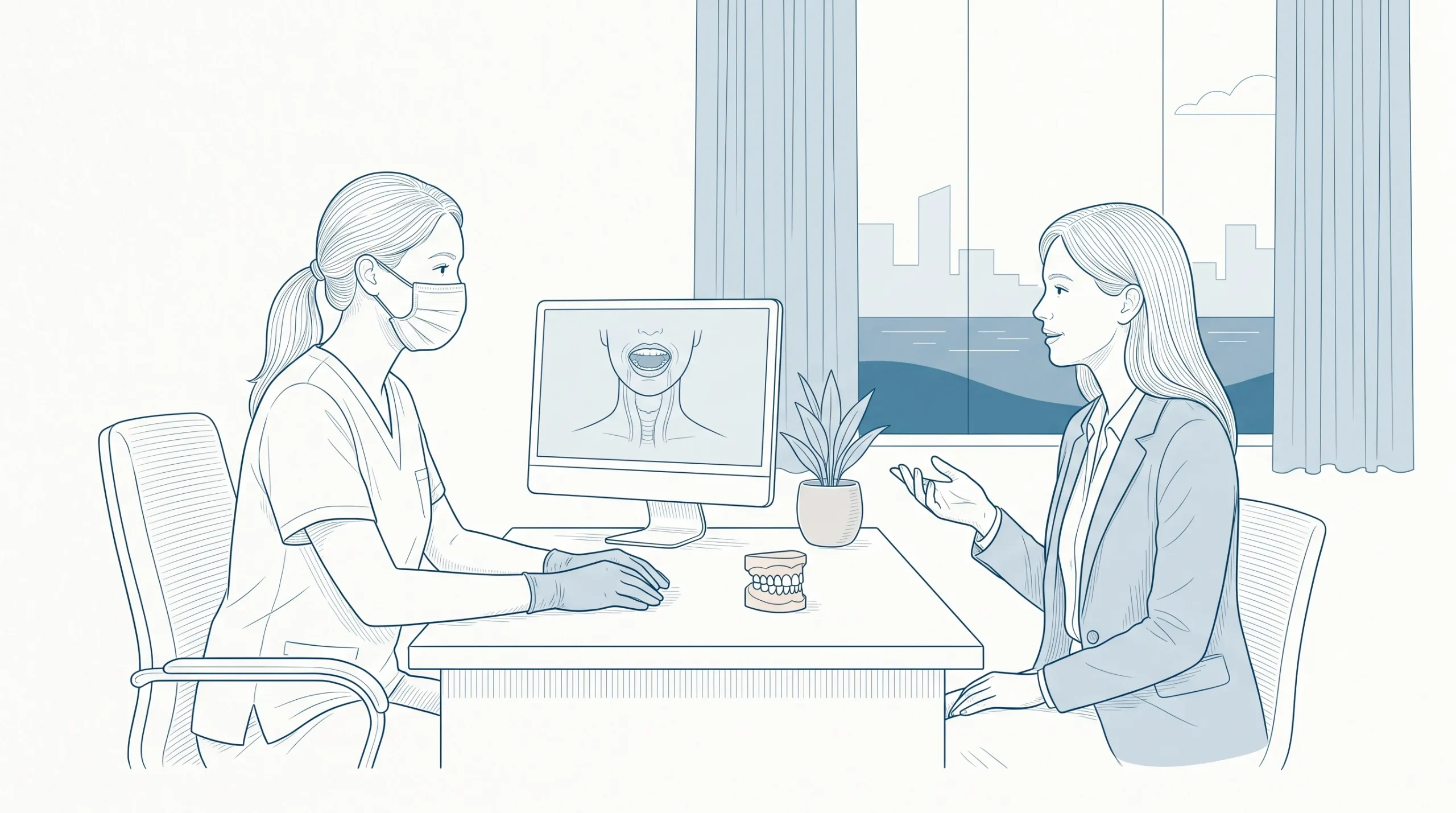
An appointment usually begins with your concerns and health history. Your dentist may examine your teeth, gums and oral soft tissues, assess how your teeth meet and ask about eating difficulties or symptoms.
X-rays may be recommended when they are clinically justified, but they are not automatically needed at every visit. The examination findings and your individual risk help guide that decision.
Seeing dental care is health care in practice means understanding why a test or treatment is being suggested, rather than agreeing to it without an explanation. You can ask:
- What has the examination found, and does it need treatment now?
- What are the potential benefits, risks and limitations of each option?
- Is monitoring reasonable, and what could happen if I wait?
- Does my medical history change the treatment plan or the need to contact my doctor?
Ask about expected costs and whether care can be staged if that matters to you. Procedures have different risks, such as sensitivity, bleeding or infection, and your dentist should explain those relevant to the proposed treatment.
A dentist can identify oral findings that need further investigation, but a dental examination does not replace a GP appointment or screening for general medical conditions.
Symptoms that deserve attention
You do not need to wait for severe pain before seeking advice. Bleeding gums, recurring tooth sensitivity, ongoing dry mouth or discomfort when chewing are reasonable reasons to arrange a dental assessment. These symptoms have different possible causes, so an examination is needed before recommending treatment.
Because dental care is health care, changes in the soft tissues of your mouth matter too. An ulcer lasting more than two weeks, an unexplained lump or a persistent red or white patch should be assessed by a dentist or doctor. Many such changes have non-cancerous causes, but they should not be ignored. The Cancer Council’s mouth cancer information explains symptoms that warrant assessment.
Facial swelling, fever with dental pain or a suspected dental infection needs prompt dental or medical advice. Difficulty breathing or swallowing, or rapidly spreading swelling, requires emergency medical assessment. Call 000 if breathing is affected or the situation is life-threatening.
These are clinical reasons to seek care, not reasons to assume the worst about a symptom.
Keep everyday care realistic and personalised
At home, brushing twice daily with fluoride toothpaste and cleaning between teeth help reduce the risk of tooth decay and gum disease. Your dentist can suggest suitable techniques or aids if limited hand movement, braces or other circumstances make cleaning difficult.
Recognising that dental care is health care does not mean adding complicated routines or buying every oral care product. It means choosing habits you can sustain and getting advice when something changes.
Our guide to creating an oral hygiene care plan at home covers the daily routine in more detail. Check-up timing should also be personalised to your oral health and risk factors, rather than assuming everyone needs the same schedule.
Frequently asked questions
Do I need a dental examination if nothing hurts? An examination may still be appropriate because some decay and gum problems develop without obvious pain. How often you should attend depends on your oral health, previous findings and individual risks. Your dentist can recommend a suitable interval.
Can dental treatment improve a medical condition? That depends on the condition and the evidence. Managing gum disease is relevant to diabetes care, but dental treatment does not replace medical treatment or guarantee an improvement in general health. Your dentist and doctor can explain how their recommendations fit together.
Is cosmetic dentistry necessary for health? Usually, cosmetic treatment is elective. Some procedures may also address damage or function, but a change in appearance alone does not establish a health need. Suitability requires an assessment and a discussion of alternatives, risks and costs.
Should I tell my dentist about medicines even for a check-up? Yes. Medicines can affect saliva, oral tissues, bleeding or healing. Share your current list and any recent changes, including non-prescription medicines and supplements.
Discuss your oral and general health with Bright Smiles
At Bright Smiles, the team sees patients at both the Brightwater and Currimundi locations on the Sunshine Coast. If you have symptoms, a change in your medical history or questions about appropriate care, an examination can help clarify your options.
The message that dental care is health care is about treating your mouth as part of your health, with informed choices rather than unnecessary treatment. You can arrange an appointment with Bright Smiles at either location to discuss your concerns.