

The connection between teeth health and overall health is easy to overlook because dental problems often feel separate from the rest of the body. In reality, your mouth is part of the same immune, digestive and circulatory systems as everything else. Healthy teeth and gums do not guarantee good general health, and dental care is not a replacement for medical care, but oral changes can sometimes reflect wider health factors, and some general health conditions can affect the mouth.
For patients on the Sunshine Coast, this is a practical topic, not just a health concept. Bleeding gums, dry mouth, tooth wear, bad breath, dental pain and changes in the way you chew can all have day-to-day effects. A dental examination can help identify local causes and, when appropriate, your dentist may suggest speaking with your GP or another health professional.
How teeth health and overall health influence each other
Your mouth contains teeth, gums, saliva, soft tissues, blood vessels, nerves and many types of bacteria. Most oral bacteria are part of a normal mouth environment, but when plaque is not removed regularly, harmful bacteria can build up around the teeth and gumline.
Plaque is a sticky film that forms on teeth. If it remains for too long, it can contribute to tooth decay and gum inflammation. Early gum inflammation is called gingivitis. More advanced gum disease, called periodontitis, can affect the structures that support the teeth. This is one reason the connection between teeth health and overall health is often discussed alongside inflammation, daily habits and medical history.
The relationship works both ways. Oral health can be influenced by diet, smoking, diabetes, pregnancy, medications, stress, reflux and immune function. At the same time, dental pain or missing teeth may affect what foods someone can comfortably eat, which can influence nutrition over time.
Bright Smiles has covered this broader topic in more detail in its article on how oral health can affect your general health, but the main idea is simple: the mouth is not separate from the rest of the body.
The mouth is the start of digestion
Digestion begins before food reaches the stomach. Chewing breaks food into smaller pieces, and saliva helps moisten food so it can be swallowed comfortably. Saliva also helps neutralise acids and supports the minerals in tooth enamel.
If teeth are painful, loose, heavily worn or missing, chewing may become more difficult. Some people start avoiding firmer foods such as nuts, raw vegetables or certain proteins, not because they dislike them, but because eating them is uncomfortable. Over time, that can narrow the diet.
The connection between teeth health and overall health can also involve digestive comfort. Reflux, frequent vomiting, acidic drinks and some eating patterns can expose teeth to acid, which may contribute to enamel erosion. Your dentist cannot diagnose digestive disorders, but they may notice tooth wear patterns that are worth discussing with your GP.
There is also increasing public interest in how digestion, stress and wellbeing interact. For a broader nutrition-focused explanation outside dentistry, this article on the gut-brain connection explains how digestive health may relate to mental wellbeing.
Gums, inflammation and systemic health
Gums are protective tissues. When they are healthy, they fit snugly around the teeth and help create a barrier against irritation and infection. When plaque builds up along the gumline, the gums may become swollen, red or bleed when brushing or flossing.
Bleeding gums are common, but they should not be dismissed as normal. They may suggest gum inflammation, brushing technique issues, changes in hormones, medication effects or other contributing factors. A dental check can help clarify what is happening.
Research has found associations between gum disease and some general health conditions, including diabetes and cardiovascular disease. An association does not prove that one condition directly causes the other. It does suggest that the connection between teeth health and overall health is clinically relevant, especially when inflammation is ongoing.
Daily brushing is only part of gum care. Cleaning between the teeth is also important because plaque often collects where toothbrush bristles cannot reach well. If you are unsure whether your routine is reaching the gumline effectively, Bright Smiles has a helpful guide to dental hygiene mistakes that can affect your gums.
Diabetes and oral health can affect each other
Diabetes is one of the clearest examples of a two-way relationship between oral health and general health. People with diabetes may be more prone to gum problems, particularly if blood glucose levels are difficult to manage. Gum inflammation may also make diabetes management more complex for some people.
This does not mean dental treatment replaces diabetes care. It means oral health checks can be one useful part of a broader health routine. If you live with diabetes, tell your dentist, including any medicines you take and whether there have been recent changes to your health.
The connection between teeth health and overall health is especially important when symptoms are subtle. Gum bleeding, loose teeth, persistent bad breath, slow healing or dry mouth may not feel urgent, but they can be worth discussing with your dental team.
A dentist may recommend gum assessment, professional cleaning, home-care changes or referral for more advanced periodontal care when needed. Suitability depends on your oral health, medical history, current symptoms and individual circumstances.
Heart, lung and pregnancy considerations
Oral bacteria and inflammation are often discussed in relation to cardiovascular health. The evidence does not support saying that treating gum disease will prevent heart disease for everyone. However, maintaining healthy gums can be part of a sensible preventive health routine, alongside GP care, nutrition, physical activity and smoking cessation where relevant.
Respiratory health can also be relevant. Bacteria from the mouth can sometimes be inhaled into the airways, particularly in people who are medically frail or have swallowing difficulties. For most healthy adults, the key message is still straightforward: regular oral hygiene helps reduce plaque and supports a healthier mouth environment.
Pregnancy can affect gum tissues too. Hormonal changes may make gums respond more strongly to plaque, which can lead to tenderness, swelling or bleeding. Dental care during pregnancy is commonly considered safe when appropriately planned, but patients should always tell their dentist if they are pregnant or may be pregnant.
These examples do not mean every dental symptom signals a serious health condition. They show why the connection between teeth health and overall health is best considered in context, with both dental and medical history taken into account.
Everyday habits that connect mouth and body
Many of the habits that support oral health also support general wellbeing. Brushing twice daily with fluoride toothpaste, cleaning between teeth, drinking water, limiting frequent sugary snacks and avoiding smoking or vaping all help reduce risk factors for dental problems.
Food and drink frequency matters as much as the type of food. Each time sugar or fermentable carbohydrate is consumed, mouth bacteria can produce acids. If snacking or sipping sweet drinks happens often, teeth spend more time in an acidic environment. Saliva helps recovery, but it needs time between exposures.
The connection between teeth health and overall health also shows up in sleep and stress. Stress can contribute to jaw clenching or tooth grinding for some people, and poor sleep may make routines harder to maintain. If you wake with jaw soreness, headaches or worn teeth, your dentist can assess possible causes and discuss suitable options.
For a wider look at practical home care, Bright Smiles explains what healthy dental care includes beyond brushing, including gum checks, fluoride, diet habits and professional examinations.
Medications, saliva and dry mouth
Saliva plays a protective role in the mouth. It helps wash away food particles, neutralise acids and keep soft tissues comfortable. When saliva flow is reduced, the risk of tooth decay, gum irritation, mouth ulcers, bad breath and difficulty wearing dentures may increase.
Dry mouth can be linked with dehydration, mouth breathing, some medical conditions and many common medications. These may include some medicines used for allergies, mood, blood pressure or pain, although individual effects vary. Do not stop or change prescribed medication without speaking with the health professional who prescribed it.
The connection between teeth health and overall health is useful here because a dry mouth symptom can involve dental care, medical care or both. A dentist may suggest saliva-supporting strategies, fluoride advice, changes to home care or further discussion with your GP or pharmacist if medication side effects seem likely.
If dry mouth is new, persistent or accompanied by other symptoms, it is worth mentioning at your next dental appointment rather than waiting until decay or discomfort develops.
Signs worth discussing with a dentist
Some oral changes can be monitored at a routine appointment, while others should be assessed sooner. The table below is a general guide only and does not replace individual advice.
| What you notice | Why it may matter | Who to speak with |
|---|---|---|
| Bleeding gums | May suggest gum inflammation, brushing trauma or other factors | Dentist |
| Persistent bad breath | Can be linked with plaque, gum disease, dry mouth or other causes | Dentist, GP if needed |
| Dry mouth | May increase decay risk and affect comfort | Dentist, GP or pharmacist |
| Tooth sensitivity | May involve enamel wear, gum recession, cracks or decay | Dentist |
| Mouth ulcer lasting more than two weeks | Needs professional assessment | Dentist or GP |
| Facial swelling, fever or spreading dental infection symptoms | May require prompt care | Dentist, urgent medical care if severe |
If you have difficulty breathing, difficulty swallowing, significant facial swelling or feel seriously unwell, seek urgent medical care.
For less urgent concerns, a dental examination can help determine whether the issue is dental, medical or a combination. This balanced approach is central to understanding teeth health and overall health without assuming one symptom has only one cause.
What a dental appointment may involve
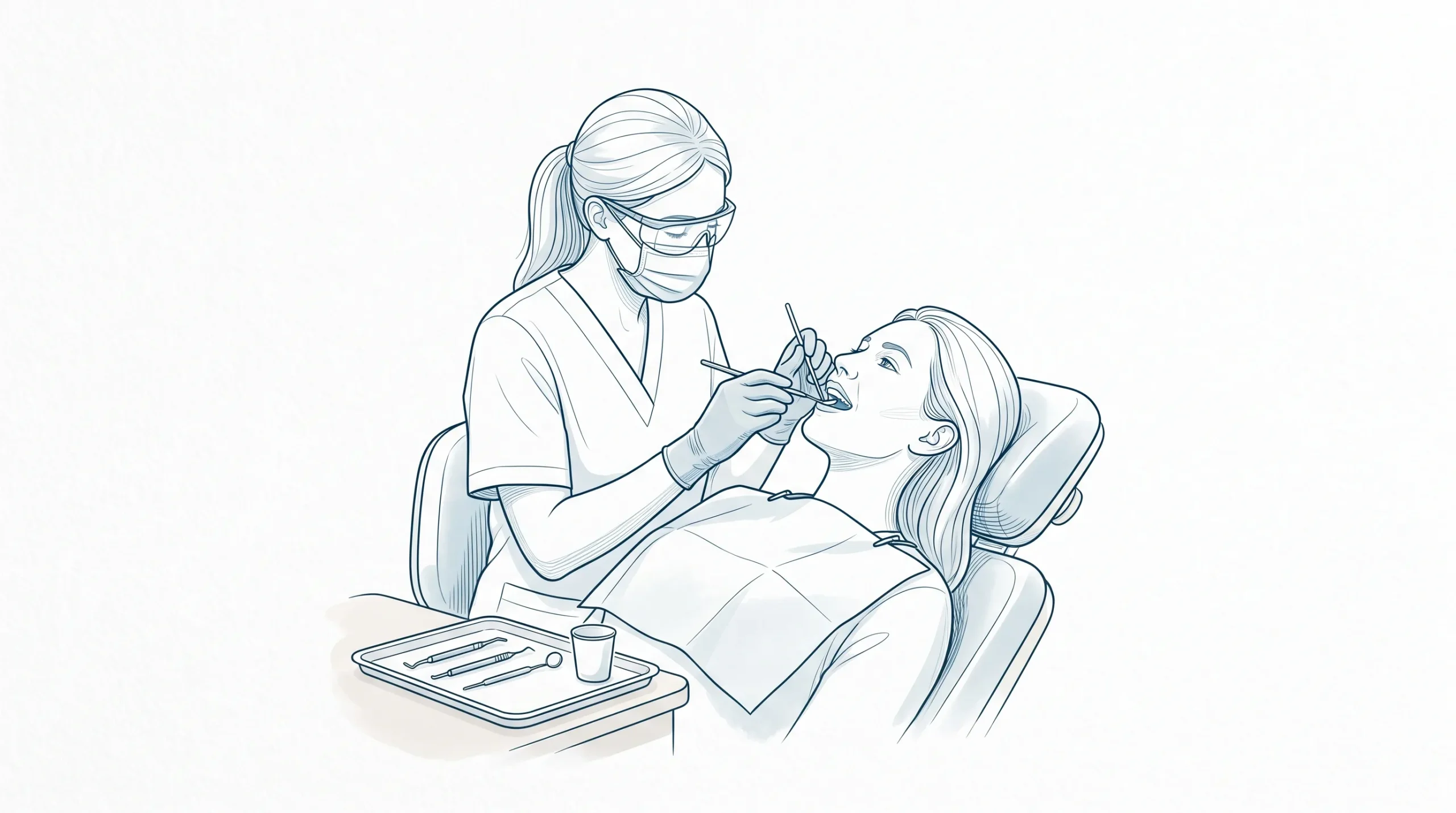
A general dental appointment usually begins with a discussion about your concerns, medical history, medicines, allergies and any recent health changes. This information helps your dentist assess risk factors and plan care appropriately.
Your dentist may check your teeth, gums, bite, jaw joints, soft tissues and existing dental work. They may measure gum pockets, look for signs of decay or wear and recommend X-rays if clinically appropriate. X-rays are not taken automatically for every patient, and your dentist should explain why they may be useful.
Depending on the findings, options may include preventive advice, professional cleaning, fluoride support, gum treatment, restorative care or monitoring. All dental procedures carry potential benefits, limitations and risks, and treatment suitability varies between patients.
If your symptoms suggest a possible wider health factor, your dentist may recommend speaking with your GP. This is not a diagnosis of a medical condition. It is a cautious way to make sure your mouth and general health are considered together.
Practical steps that support both your mouth and routine
You do not need a complicated routine to support oral health. Consistency matters more than doing something elaborate for a few days and then stopping.
Helpful habits include:
- Brush twice daily with fluoride toothpaste, using a soft toothbrush and gentle pressure.
- Clean between teeth once daily with floss, interdental brushes or another option recommended for you.
- Drink water regularly, especially after meals, snacks or acidic drinks.
- Keep sugary snacks and drinks to mealtimes where possible rather than grazing throughout the day.
- Avoid smoking and vaping, or speak with a health professional if you would like support to reduce or quit.
- Book regular dental examinations at an interval recommended for your needs.
The connection between teeth health and overall health is not about blaming patients for dental problems. Many factors influence the mouth, including genetics, medications, cost, access to care, anxiety and health conditions. A practical plan should take your circumstances into account.
Bright Smiles sees patients at both the Brightwater and Currimundi locations on the Sunshine Coast. If it has been a while since your last dental visit, or if something in your mouth has changed, an examination can help you understand what may be happening and what options may be appropriate.
Frequently asked questions
Can poor oral health cause health problems elsewhere in the body? Oral health and general health can influence each other, but it is not always a simple cause-and-effect relationship. Gum disease has been associated with some general health conditions, and a dentist can assess your mouth while your GP manages broader medical concerns.
Why do my gums bleed when I brush? Bleeding gums may be related to plaque build-up, gum inflammation, brushing technique, hormonal changes, medications or other factors. If bleeding continues, a dental check can help identify likely causes and suitable care options.
Can dental care improve my overall health? Dental care can help manage oral disease, reduce plaque and support comfortable eating and speaking. It should be seen as part of a broader health routine, not a substitute for medical care, nutrition advice or prescribed treatment.
Should I tell my dentist about medical conditions and medications? Yes. Medical conditions, allergies, pregnancy, past surgeries and medications can affect dental care decisions. Providing accurate information helps your dentist assess risks, plan treatment and communicate with other health professionals when appropriate.
How often should I have a dental check-up? The right interval varies. Some people need more frequent reviews due to gum disease risk, dry mouth, decay history, medical conditions or orthodontic treatment. Your dentist can recommend a review schedule based on your individual needs.
Discuss your oral health with Bright Smiles
If you are wondering how your teeth health and overall health may be connected, a dental examination can give you clearer information about your teeth, gums and soft tissues. Your dentist can explain potential causes, discuss options and let you know whether any medical follow-up may be sensible.
To discuss your concerns, you can book an appointment with the team at Bright Smiles at either the Brightwater or Currimundi location.