

If you are searching for “childrens dentist sunshine coast”, an appointment can be a chance to discuss more than cavities. You can ask about changes in your child’s teeth, brushing difficulties, dental worries, treatment choices and costs. The conversation should help you understand what needs attention, what can be monitored and why any care is being recommended.
You do not need to arrive knowing the dental terms or which treatment to request. Start with what you have noticed and what matters to your family.
Start with your child’s needs and your concerns
Tell the dentist about anything affecting your child’s comfort, eating, sleep or willingness to brush. Mentioning when a symptom started and what seems to trigger it can help guide the assessment. A change you have noticed is worth discussing, even if your child has not complained of pain.
Your child’s medical history also matters. Share current medicines, allergies, relevant health conditions and any previous difficult healthcare experiences. If your child has sensory sensitivities or communication needs, ask how these could be accommodated before the appointment.
For babies, the Australian Dental Association recommends a first dental visit when the first tooth appears or by the first birthday, whichever comes first. An early visit gives parents an opportunity to ask questions, rather than waiting for a problem.
Our parent’s guide to children’s dental care covers the broader basics. The questions below focus on making the conversation with your dentist useful.
What to ask after a “childrens dentist sunshine coast” search
You do not need to cover every topic in one appointment. Choose the questions that relate to your child’s age, symptoms and daily routine.
Is this change part of normal development?
Loose baby teeth, new adult teeth and changing spaces can look unfamiliar. Ask the dentist to explain what they can see and whether a change needs treatment, monitoring or no action at present.
For example, an adult tooth appearing behind a baby tooth does not automatically mean the baby tooth needs removal. The dentist can assess how loose the baby tooth is, the position of the new tooth and whether follow-up is appropriate.
You can also discuss thumb-sucking, dummy use or concerns about how the teeth meet. The useful question is not simply whether a habit exists, but whether its duration and effects warrant support or assessment.
Ask what changes to watch for at home and when the dentist would like to review them.
How can we make home care more manageable?
A children’s dentist on the Sunshine Coast can help you work through the practical reason brushing is difficult, rather than simply advising you to brush more carefully.
Explain whether your child dislikes the toothpaste flavour, resists having someone help, finds the brush uncomfortable or struggles to reach particular teeth. Ask which toothpaste strength and amount suit their age and tooth-decay risk, and how much adult assistance they need.
Food and drink discussions should be practical too. The frequency of sugary snacks and drinks matters, not just the total amount. Tell the dentist about ordinary routines, including lunchboxes, bedtime drinks and frequent grazing, so advice fits your household.
Our article on dental habits for busy families offers ideas for fitting oral care into everyday life. You can ask your dentist which changes would be most useful for your child first.
Does my child need X-rays or preventive treatment?
Not every child needs the same investigations or preventive care at every visit. Ask what the dentist is looking for and how the findings could affect the care plan.
Dental X-rays can reveal information that is not visible during an examination, including some decay between teeth. Their use should be based on clinical need. The dentist can explain why an image is recommended, the radiation exposure involved and whether it is reasonable to wait.
Other options may include fluoride varnish, a concentrated fluoride coating, or fissure sealants, protective coatings placed in suitable tooth grooves. These may help reduce decay risk in selected circumstances, but neither replaces daily cleaning or guarantees a tooth will remain decay-free.
Useful questions include how long the proposed care takes, what your child may experience and whether it needs review or maintenance.
Understand the options before agreeing to treatment
When a children’s dentist on the Sunshine Coast recommends treatment, ask for an explanation of the finding before discussing the procedure. Knowing which tooth is affected and how extensive the problem appears can make the options easier to understand.
Depending on the assessment, care might involve preventive support, monitoring, a filling or another approach. Monitoring should have a clear purpose and review plan; it is not the same as leaving a problem unchecked.
Before deciding, you can ask:
- What are we trying to achieve? Ask how the proposed care relates to your child’s symptoms, oral health or tooth development.
- What are the alternatives? Discuss other suitable approaches, including monitoring where clinically appropriate.
- What are the benefits and risks? Ask about likely discomfort, limitations, possible complications and aftercare.
- What happens if we wait? Find out whether delay is reasonable and what changes would require earlier attention.
A recommendation should reflect your child’s clinical needs, medical history and ability to manage the appointment. Treatment experiences and outcomes vary, and dental procedures carry potential benefits and risks.
You can also ask whether a referral is appropriate. Many general dentists provide children’s care, while a paediatric dentist is a registered dental specialist in children’s dentistry. Referral may be considered for more complex needs; it is not automatically necessary for every child.
Discuss dental worries without pressure
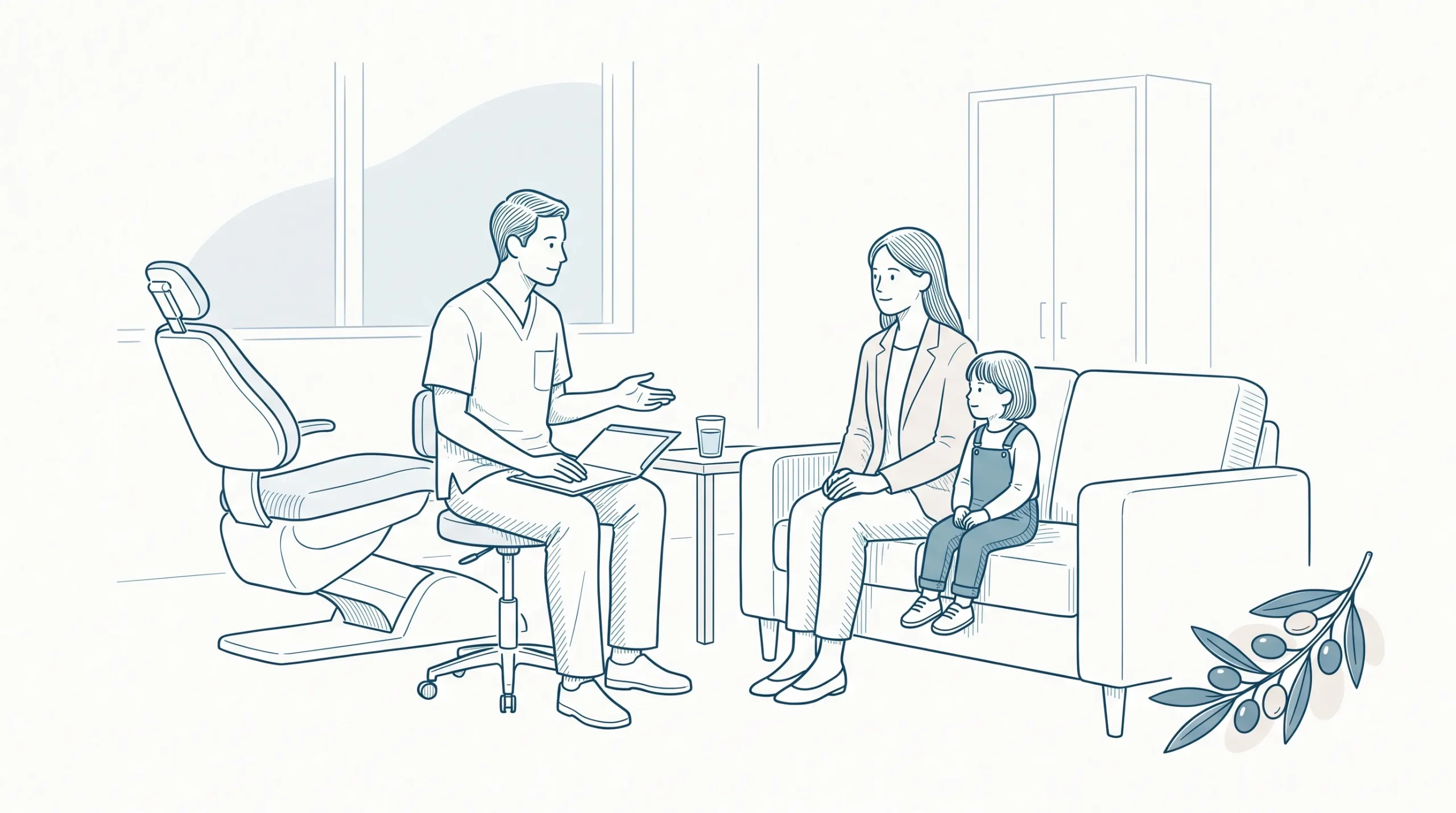
Let the practice know about worries before the visit, particularly if your child has had a distressing experience. Explain what helped previously and what made things harder.
You can ask whether the dentist can explain unfamiliar equipment, agree on a pause signal or introduce parts of the examination gradually. These approaches may support participation, although children respond differently and not every procedure can be completed during the first visit.
Ask how your child will be involved in explanations and decisions at an age-appropriate level. The discussion should acknowledge their feelings without promising that an appointment will be free from discomfort.
If your child cannot manage necessary care, the dentist can explain whether a different approach or referral should be considered. Any additional treatment or medicine requires its own assessment and discussion of risks and alternatives.
Clarify costs, bulk billing and the care plan
When choosing a children’s dentist on the Sunshine Coast, it is reasonable to ask about fees before agreeing to care. Request a written estimate for proposed treatment and clarify which parts are recommended now, which can wait and whether the plan may change after further assessment.
The Child Dental Benefits Schedule can help eligible children access certain basic dental services. Eligibility, available benefits and the services covered need to be checked; the scheme does not cover every dental treatment.
Bright Smiles offers children’s bulk billing. Ask whether your child and the proposed services qualify, whether sufficient benefits remain and whether any out-of-pocket costs are expected.
If private health insurance is relevant, ask for treatment item numbers so you can check your benefits with your insurer. Financial questions are part of informed decision-making, not something you need to leave until treatment has begun.
Leave with a clear next step
Before the appointment ends, check that you understand what was found and what happens next. A useful plan distinguishes between home care, any recommended treatment and the timing of review.
Ask which symptoms or changes should prompt an earlier call. If several issues have been discussed, ask the dentist to identify the priority rather than trying to change everything at once.
You can also request written instructions where helpful. This is particularly useful when more than one parent or carer supports your child’s daily routine.
Frequently asked questions
Should I wait until my child has all their baby teeth before booking? No. The recommended first visit is when the first tooth appears or by the first birthday, whichever comes first. If your child is older and has not attended, you can arrange an assessment without feeling that you need to explain or apologise for the delay.
What is the 2 2 2 rule in dentistry? A common version means brushing for two minutes twice a day and having two dental check-ups a year. It is a reminder, not an individual care plan. Young children need age-appropriate brushing support, and the interval between visits should be based on their dental assessment.
Does a cavity in a baby tooth always need a filling? Not every cavity is managed in the same way. The dentist considers its depth, symptoms, the tooth’s expected remaining lifespan and other factors. Ask which options are suitable and the risks of treatment or delaying care.
When does my child need urgent help? Seek prompt dental advice for toothache, dental injury or facial swelling, particularly with fever. Difficulty breathing or swallowing is a medical emergency; call 000. A knocked-out baby tooth should not be put back into its socket.
Discuss your child’s dental questions with Bright Smiles
Bright Smiles sees families at both its Brightwater and Currimundi locations. To discuss your child’s teeth, dental worries or care options, you can book an appointment with the team at either location. An examination can help clarify what needs attention and which options may be appropriate for your child.