

After Sunshine Coast teeth whitening, you can usually return to eating and drinking once treatment is finished and you have followed your dentist’s instructions. The timing depends on the whitening product used, whether you have sensitivity and any advice provided for your treatment. There is no single waiting period that applies to every whitening system.
For most people, the practical priorities are choosing comfortable food and drink temperatures, following any product-specific restrictions and maintaining normal oral hygiene. You do not need to assume that every meal must be white or that one coffee will undo your treatment.
When can you eat or drink?
Before leaving your appointment, ask whether you need to wait before eating, drinking or brushing. If you are using take-home whitening, remove the trays and clear away residual gel as instructed before having food or drinks other than those specifically permitted by your dentist.
Do not eat with whitening trays in your mouth. Food can interfere with their fit and you may swallow whitening gel. Use only the amount of gel prescribed and follow the recommended wearing time.
Whitening commonly uses peroxide-based gel to lighten natural teeth. Temporary tooth sensitivity and gum irritation are possible side effects, as explained in the Australian Dental Association’s information about teeth whitening. These effects can influence what feels comfortable to eat afterwards.
Food choices after Sunshine Coast teeth whitening
A strict white-food-only menu is not a universal requirement. Some whitening systems or treating dentists recommend temporarily limiting strongly coloured foods and drinks, so check what applies to your treatment rather than relying on a general internet rule.
If you have been advised to follow restrictions for 24 or 48 hours, ask which foods are involved and when you can return to your usual diet. That timeframe is an aftercare instruction, not a guarantee that staining cannot occur afterwards.
The following options may be comfortable while your teeth feel sensitive:
| Food or drink | Practical consideration |
|---|---|
| Porridge or scrambled eggs | Allow hot food to cool before eating. |
| Rice, pasta or potatoes | Choose a temperature and texture that feel comfortable. |
| Fish, chicken, tofu or beans | Include a protein source rather than restricting yourself to plain carbohydrates. |
| Cooked vegetables | Keep variety in your meals unless you have been given specific restrictions. |
| Plain yoghurt | Let it lose some of its chill if cold foods trigger sensitivity. |
| Water | Choose room-temperature water if chilled water is uncomfortable. |
These are meal ideas, not foods that improve or guarantee whitening results. Whitening aftercare should not become a prolonged restrictive diet.
Coffee, tea and red wine: what matters?
If coffee is part of your daily routine, ask whether your Sunshine Coast teeth whitening treatment requires a temporary pause. Coffee, tea and red wine can contribute to surface staining over time, but having one drink does not mean treatment has failed.
If your dentist recommends avoiding these drinks briefly, follow that advice. Once you resume them, avoid holding or swishing them around your teeth. Having water afterwards can help clear residues, although it cannot prevent all staining.
Temperature matters too. Very hot coffee or iced tea may trigger sensitivity even when the drink itself is permitted. A lukewarm drink may feel more comfortable.
A straw is not a complete solution because liquid can still contact your teeth. Do not use a straw for very hot drinks or rely on one to override your dentist’s instructions. For longer-term habits, Bright Smiles’ guide to common tooth-staining substances explains other everyday sources of discolouration.
Acidic drinks and sensitive teeth
Colour is only one consideration. Clear soft drinks, sparkling drinks with added acids, sports drinks and lemon water can be acidic even though they look unlikely to stain.
Frequent exposure to acidic drinks can contribute to enamel wear, independently of whitening. Citrus juice, vinegar-based dressings and other acidic foods may also feel uncomfortable when teeth are sensitive. You do not necessarily need to remove them permanently, but reducing exposure while symptoms settle may help with comfort.
Choose plain water between meals and avoid repeatedly sipping acidic drinks throughout the day. After an acidic drink, rinse with water rather than brushing immediately.
Cold foods can also cause a brief sharp sensation. Let chilled foods warm slightly and allow hot meals to cool. Your dentist may recommend a desensitising toothpaste or changes to your whitening schedule.
With Sunshine Coast teeth whitening aftercare, sensitivity should guide a conversation with your dentist rather than lead to increasingly strict food rules. Bright Smiles’ advice on managing sensitive teeth provides further background on possible causes and care.
A simple meal plan for the first day
If you have been given short-term dietary restrictions, planning a few meals can make them easier to follow. Keep the plan balanced and adjust it to your usual dietary needs.
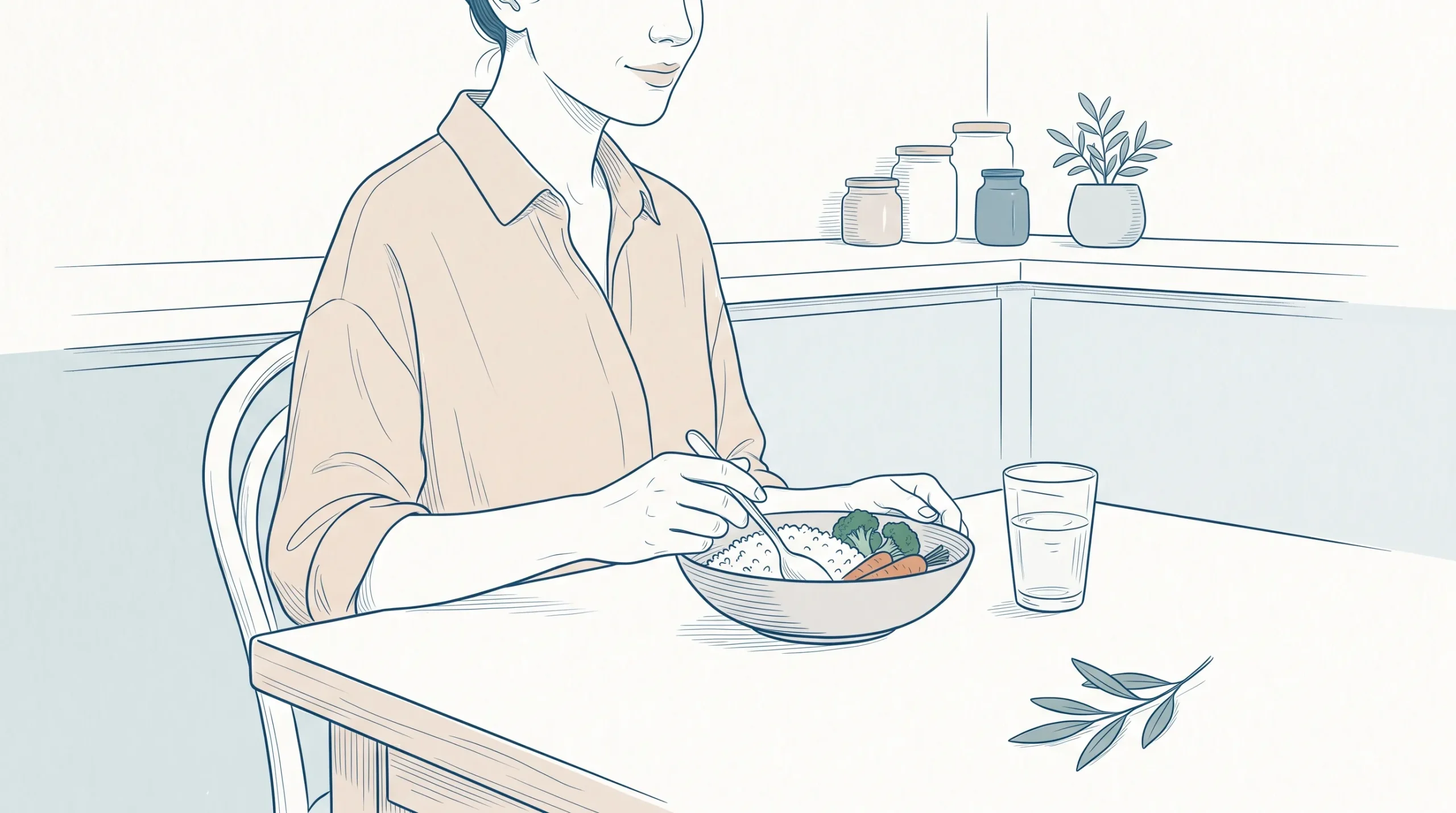
Breakfast could be porridge with milk or scrambled eggs on toast. For lunch, consider a rice bowl with tofu or chicken and cooked vegetables, with any restricted sauces left off. Dinner might be fish, potatoes and vegetables, served warm rather than very hot.
For snacks, choose something that feels comfortable, such as a banana or yoghurt that is not fridge-cold. Water is a straightforward drink choice.
These suggestions are about convenience and comfort. They are not a required whitening diet, and there is no need to skip meals or remain hungry to protect a cosmetic result.
Eating out, at work or away from home
Planning meals after Sunshine Coast teeth whitening is often easier when you know what food will be available. For a workday, pack a familiar lunch and water rather than relying on a café menu that may not suit your aftercare instructions.
When eating out, ask for sauces or dressings separately if you need to limit particular ingredients. Let a hot meal cool and choose a non-acidic drink if your teeth are sensitive.
For an extended trip, check kitchen access and equipment before choosing accommodation. Whether you are considering a local apartment or researching furnished rental management in Houston through Scott Property Management, confirming cooking facilities can make meal planning easier. Take any written whitening instructions with you rather than changing your treatment schedule around travel.
Brushing and caring for take-home trays
Continue gentle brushing with fluoride toothpaste twice daily and clean between your teeth. Use a soft toothbrush rather than scrubbing harder to remove food pigments. Abrasive powders, charcoal products and acidic home remedies are not substitutes for professional aftercare.
After brushing, spit out excess toothpaste rather than rinsing it away immediately. This is different from rinsing with water after a meal or drink. Bright Smiles explains the distinction in its guidance on whether to rinse after brushing.
Your dentist should explain how brushing fits around your Sunshine Coast teeth whitening schedule, particularly if you use take-home trays. Clean and store the trays as directed, and do not use hot water unless the manufacturer’s instructions specifically allow it, as heat may distort some tray materials.
Do not add extra gel or extend the wearing time to compensate for something you ate or drank. If sensitivity develops during a take-home course, contact your dentist for advice about pausing or adjusting treatment.
When should you contact your dentist?
Temporary sensitivity can occur after whitening, but significant pain should not simply be accepted as part of treatment.
Contact your dentist if discomfort is worsening, persists rather than settling or is focused on one particular tooth. Gum soreness, whitening-gel irritation or ulcers also warrant advice, especially if they are not improving.
Stop using take-home whitening products while seeking advice if they are causing significant discomfort. Your dentist can check whether symptoms relate to whitening or another issue, such as decay, a cracked tooth or exposed root surfaces.
Do not apply more whitening gel to an area that looks darker or feels painful. An examination may be needed before any further treatment is considered.
Frequently asked questions
Do I need to follow a white diet for 48 hours? Not every whitening system requires the same restrictions. Follow the instructions supplied for your treatment and ask your dentist to clarify any advice that is unclear. Avoid extending a restrictive diet without a clinical reason.
What if I accidentally drink coffee afterwards? Do not assume you have ruined the result. Have some water, return to your aftercare instructions and avoid adding extra whitening sessions to compensate. Contact your dentist if you are concerned about a noticeable change.
Can I eat ice cream after whitening? Cold foods may trigger temporary sensitivity. If ice cream feels uncomfortable, leave it until symptoms settle rather than trying to push through the discomfort.
How long does whitening sensitivity last? It often settles within a few days, but experiences vary with the product, treatment schedule and individual teeth. Persistent, worsening or localised pain needs dental advice rather than continued whitening.
Discuss aftercare with Bright Smiles
If you are considering Sunshine Coast teeth whitening or have questions about eating and drinking afterwards, a dental assessment can clarify suitability, potential benefits, risks and aftercare. Whitening is optional, and outcomes vary between patients.
Bright Smiles sees patients at both the Brightwater and Currimundi locations. You can book an appointment with the team to discuss your oral health and which options may be appropriate for your circumstances.