

Cosmetic general dentistry works best when the health, function and appearance of your teeth are considered together. A brighter or more even-looking smile may be one goal, but your dentist also needs to assess enamel, gums, bite, existing fillings, jaw comfort and daily oral care before recommending options. This approach can help patients make decisions that are not only cosmetic, but also practical for their oral health.
For people on the Sunshine Coast comparing dental options, the difference between general and cosmetic dentistry can be confusing. Many treatments overlap. A crown may strengthen a damaged tooth and improve its appearance. Orthodontic treatment may improve alignment and make cleaning easier. Whitening may be discussed only after checking that stains are not linked to decay, cracks or other concerns.
What cosmetic general dentistry means in practice
General dentistry focuses on the health and function of your mouth. This includes dental examinations, preventive care, fillings, gum care, treatment for cracked or painful teeth, tooth replacement options and advice on home care.
Cosmetic dentistry focuses on the appearance of teeth and gums. This may involve tooth colour, shape, spacing, proportions, symmetry or how the teeth sit within the smile. Cosmetic options can include whitening, bonding, veneers, crowns and orthodontic treatment, depending on individual needs.
When these areas are planned together, your dentist is not looking at appearance in isolation. They are considering whether the teeth and gums are healthy enough for a cosmetic procedure, whether the bite may affect the result and whether a less invasive option may be appropriate. This is why a general dental assessment often sits at the beginning of cosmetic planning.
Why oral health usually comes first
Cosmetic treatment is generally more predictable when the foundations are stable. If a tooth has untreated decay, a leaking filling or gum inflammation, improving the outside appearance first may not address the underlying issue. In some cases, it could make later treatment more complex.
Before discussing whitening, bonding, veneers, crowns or orthodontics, your dentist may need to assess several factors:
- The health of the teeth, gums and supporting bone
- Existing fillings, crowns, bridges or other restorations
- Signs of tooth wear, grinding or bite pressure
- Sensitivity, cracks, decay or gum recession
- Medical history, medications and oral hygiene habits
This does not mean every patient needs a long treatment plan before considering cosmetic dentistry. Some people may only need a routine check-up and clean before discussing whitening or minor cosmetic changes. Others may need gum care, replacement fillings or treatment for a cracked tooth first.
The Australian Dental Association’s public oral health site, Teeth.org.au, provides patient-friendly information about everyday dental care, prevention and treatment topics. The same prevention-first thinking is useful when planning cosmetic dental care, because healthy teeth and gums are part of the overall result.
How appearance and function can overlap
Many dental treatments do not fit neatly into either general or cosmetic dentistry. A treatment may improve comfort, chewing or tooth structure and also affect how the tooth looks.
| Dental concern | General dentistry considerations | Cosmetic dentistry considerations |
|---|---|---|
| Stained or darkened teeth | Check for decay, cracks, enamel changes or old restorations | Whitening or replacement of visible restorations may be discussed |
| Chipped front tooth | Assess bite, tooth strength and sensitivity | Bonding, veneer or crown options may be considered depending on the tooth |
| Worn teeth | Look for grinding, erosion or bite issues | Restoring shape may improve appearance, but the cause of wear also matters |
| Gaps between teeth | Assess gum health, bite and spacing cause | Orthodontics, bonding or veneers may be possible options |
| Missing tooth | Assess gum health, bone support and nearby teeth | A bridge, implant crown or denture may also affect smile appearance |
If you have been reading widely about cosmetic options, you may notice a common theme in patient-centred Australian dental information: appearance goals should be considered alongside oral health and suitability. For example, this overview of a thoughtful approach to cosmetic dentistry in Geelong discusses cosmetic planning as something to consider carefully rather than rush. The same general principle applies wherever you seek advice: a clinical assessment should guide the options.
Examples of cosmetic and general dentistry working together
A common example is teeth whitening. Whitening may help lighten natural tooth enamel, but it does not whiten crowns, veneers or most fillings. If you have visible restorations near the front of your mouth, your dentist may discuss the order of treatment so that any replacement work is planned with the final tooth shade in mind.
Another example is dental bonding. Bonding can be considered for small chips, uneven edges or minor gaps, but the dentist needs to check why the chip happened. If the tooth is under heavy bite pressure or there are signs of grinding, bonding alone may be more likely to chip or wear. The general dental assessment helps identify whether bite management, a different restoration or a more staged approach may be worth discussing.
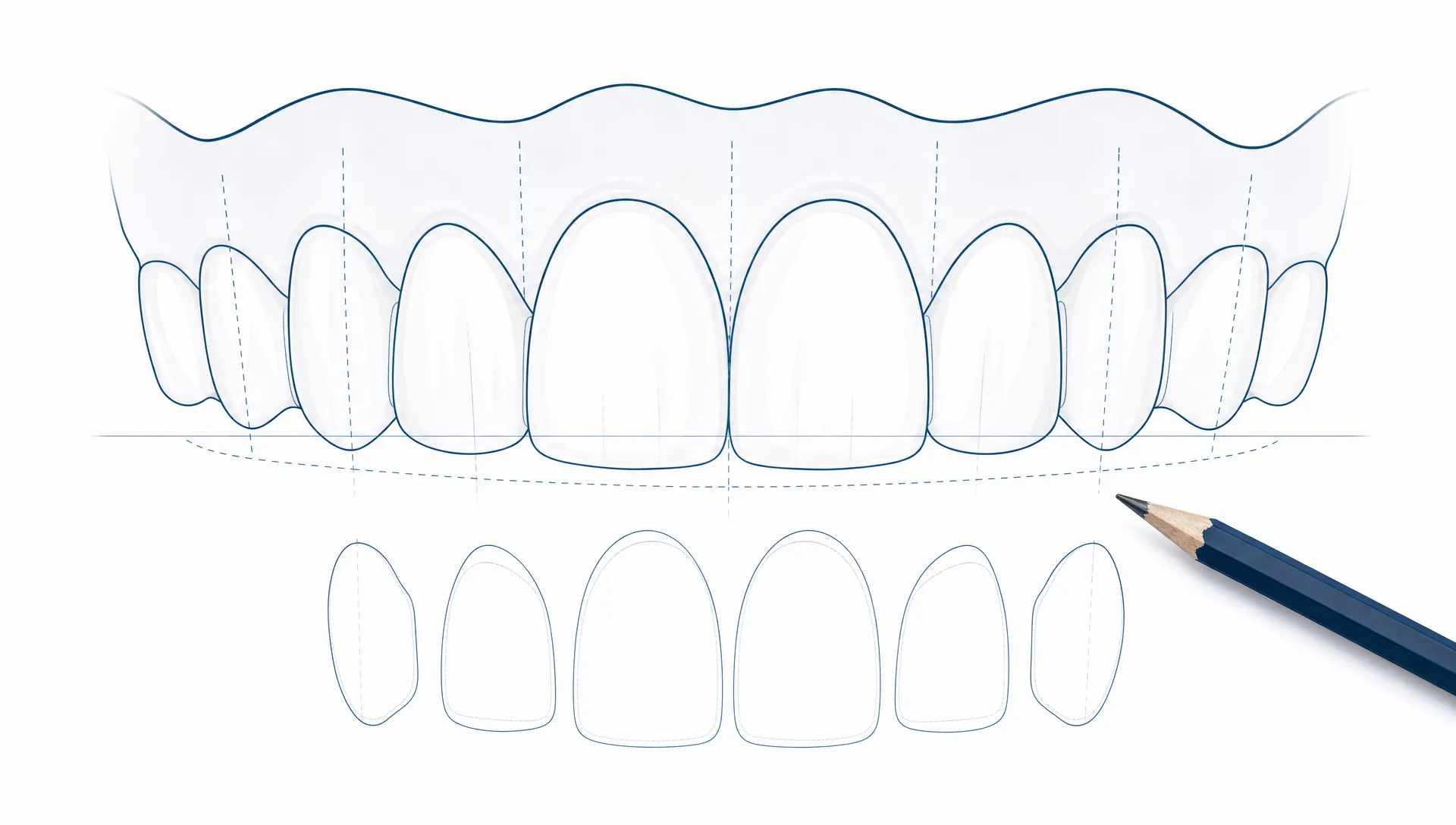
Veneers and crowns also show how cosmetic and restorative care can overlap. Veneers are often considered for the visible front surface of teeth, while crowns cover more of the tooth structure. Both require careful assessment of tooth health, enamel, bite, gum condition and long-term maintenance. In some cases, a crown may be recommended because the tooth needs structural support, not simply because of appearance.
Orthodontic treatment, including braces or clear aligner style options where suitable, may also be part of cosmetic general dentistry. Straightening crowded or spaced teeth may change appearance, but it can also make some areas easier to clean. Suitability depends on the teeth, gums, bite, jaw relationship and the type of movement required.
If you are comparing options and want a broader overview, Bright Smiles has a guide to which cosmetic dental treatment may suit your needs based on factors such as oral health, budget, time frame and the concern you want to address.
What a combined dental appointment may involve
A cosmetic consultation that also considers general dental health usually begins with a conversation. Your dentist may ask what you would like to change, how long the concern has been present, whether you have sensitivity or discomfort and what you are hoping treatment may achieve.
From there, the clinical assessment may include checking the teeth, gums, bite and existing dental work. Dental photographs or X-rays may be recommended if they are clinically indicated. Your dentist can then explain what they have found, which options may be suitable, which options may not be appropriate and what the risks or limitations are.
A sensible treatment discussion should include alternatives. For example, a small front tooth chip might be suitable for smoothing, bonding, a veneer or no treatment at all, depending on the situation. A dark tooth may need investigation before cosmetic treatment is discussed, because colour changes can sometimes be linked to previous trauma or nerve changes.
Your dentist may also discuss timing. Some treatment plans are simple and can be completed in a small number of visits. Others need to be staged, particularly if gum health, orthodontic movement, replacement of old restorations or tooth wear management is involved.
The role of home care and prevention
Cosmetic dental treatment still needs everyday care. Brushing, cleaning between the teeth, limiting frequent sugary snacks and drinks and attending routine dental appointments can all support oral health. This matters because plaque, gum inflammation, decay and tooth wear can affect both natural teeth and dental restorations.
For example, veneers and crowns still meet the gumline and natural tooth structure. Bonding can stain or chip over time. Whitening results can be affected by diet, habits and oral hygiene. Orthodontic treatment requires careful cleaning around appliances or attachments.
If you are working on the basics at home, Bright Smiles has practical advice on taking care of your teeth and gums that may be useful before, during or after cosmetic treatment planning.
Benefits, risks and limitations to discuss
A combined approach may help you make a more informed decision because it places cosmetic goals within the wider context of oral health. It can help identify untreated dental issues, reduce the chance of planning treatment on unstable teeth and clarify whether a conservative option may be enough.
It is also important to understand the limitations. Treatment outcomes and experiences vary between patients. All dental procedures carry potential risks and benefits. Some cosmetic procedures may involve irreversible changes to tooth structure. Restorations may need repair or replacement in the future. Teeth may still move, wear or stain over time. Gum changes can also affect how dental work looks and feels.
These points are not reasons to avoid cosmetic dentistry. They are reasons to have a careful assessment and a clear discussion before starting. A good plan should explain what is realistic for your mouth, what maintenance may be needed and what alternatives are available.
Questions to ask before choosing treatment
It can be helpful to bring your questions to the appointment, especially if you have already researched treatments online. Clear questions can make the conversation more practical and less overwhelming.
| Question | Why it matters |
|---|---|
| Is my mouth healthy enough for this option? | Some concerns need general dental care before cosmetic treatment |
| Are there less invasive alternatives? | A simpler option may be suitable in some situations |
| What are the risks and limitations? | Each procedure has different maintenance needs and possible complications |
| How long might treatment take? | Timing varies depending on the procedure and any preparation needed |
| Will existing fillings, crowns or veneers affect the plan? | Dental materials respond differently to whitening and wear |
| What ongoing care will be needed? | Maintenance is part of keeping teeth and restorations healthy |
These questions also help keep the focus on suitability rather than trends. A treatment that suits one person may not suit another, even if the visible concern looks similar.
When to speak with a dentist
Consider booking a dental assessment if you are thinking about whitening, veneers, bonding, crowns, orthodontic treatment or replacing visible old dental work. An assessment is also worthwhile if you have sensitivity, bleeding gums, chipped teeth, tooth wear, jaw discomfort or a tooth that has changed colour.
If you have swelling, significant pain, trauma, a broken tooth or signs of infection, prompt dental advice is appropriate. These situations are not cosmetic concerns and should be assessed for oral health reasons.
For people considering cosmetic dental care on the Sunshine Coast, Bright Smiles sees patients at both the Brightwater and Currimundi locations. A dental examination can help determine whether cosmetic treatment, general dental care or a combination of both may be appropriate for your circumstances.
Frequently Asked Questions
Is cosmetic dentistry only about appearance? Not always. Cosmetic dentistry focuses on appearance, but many treatments also involve tooth structure, bite, gum health or restorations. This is why general dental assessment is often part of cosmetic planning.
Do I need general dental treatment before cosmetic treatment? Some patients do and some do not. If there is decay, gum inflammation, cracked teeth or unstable restorations, your dentist may recommend addressing those concerns before cosmetic treatment.
Can whitening be done before fillings or crowns? Sometimes whitening is planned before replacing visible fillings or crowns, because restorations do not lighten the same way natural enamel can. Your dentist can advise on the appropriate order for your situation.
Are veneers or crowns suitable for everyone? No. Suitability depends on tooth health, enamel, bite, gum condition, oral hygiene, expectations and other individual factors. Veneers and crowns may involve tooth preparation and need ongoing care.
How do I know which cosmetic option is right for me? A dentist can assess your oral health, discuss your goals and explain the potential benefits, risks and alternatives. The most suitable option depends on your mouth, not just the visible concern.
Discussing your options with Bright Smiles
If you are considering cosmetic general dentistry, a calm first step is to have your teeth, gums and bite assessed. Your dentist can explain what is happening, whether any general dental care should come first and which cosmetic options may be worth considering.
To discuss your concerns, you can book an appointment with Bright Smiles at either the Brightwater or Currimundi location. Treatment recommendations should always be based on your individual oral health, preferences and clinical assessment.