

If you are comparing cosmetic dental treatment options, the most suitable choice usually depends on what you want to change, your oral health, your budget, your time frame and how much natural tooth structure is involved. Whitening may suit colour concerns, bonding may help small chips or gaps, veneers or crowns may be considered for shape and surface concerns, and orthodontic treatment may be more appropriate when tooth position or bite is the main issue.
There is no single option that suits everyone. A cosmetic treatment plan should start with a dental examination, because the appearance of teeth is closely linked to their health, function and bite. If there is active decay, gum disease, tooth wear, cracking or sensitivity, your dentist may recommend managing those concerns before considering cosmetic changes.
How to choose a cosmetic dental treatment that fits your needs
A helpful first step is to name the main thing you would like to change. Many patients arrive thinking they need one particular treatment, but after an assessment, a simpler or more conservative option may be appropriate. In other cases, the concern may involve several factors, such as tooth colour, old restorations and alignment.
Common starting points include:
- Tooth colour, including staining or discolouration
- Small chips, worn edges or minor gaps
- Tooth shape, length or surface texture
- Crowding, spacing or rotated teeth
- Uneven gum levels or a gummy smile
- Missing teeth or old restorations that affect appearance
- Sensitivity, cracks or wear that also need functional care
The right choice is not only about how teeth look. Your dentist will also consider how your teeth meet when you bite, whether there is enough healthy tooth structure, whether your gums are stable, and whether your expectations are realistic for the treatment being discussed.
Start with oral health before cosmetic planning
Cosmetic dental care is most predictable when teeth and gums are healthy enough to support treatment. For example, whitening irritated or decayed teeth can make sensitivity worse. Placing veneers over untreated gum disease may affect long-term gum stability. Moving teeth with orthodontic treatment requires careful planning if there is existing gum or bone loss.
During an assessment, your dentist may check your teeth, gums, existing fillings or crowns, bite, signs of grinding, oral hygiene and medical history. X-rays or photographs may be recommended when clinically indicated. This helps your dentist explain what options may be suitable, what alternatives exist, and what risks or limitations apply.
This health-first approach is used by many reputable practices, including private dental practices that combine routine and cosmetic care, because aesthetic planning depends on oral health as much as appearance.
Common cosmetic dental treatment options you may discuss
The table below gives a general overview. It is not a substitute for personalised dental advice, but it can help you understand what each option is usually considered for before your appointment.
| Treatment option | Often considered for | Important to know |
|---|---|---|
| Teeth whitening | Stains and overall tooth colour | Works on natural tooth enamel, but does not whiten fillings, crowns or veneers |
| Composite bonding | Small chips, minor gaps, edge repairs and localised shape changes | Usually more conservative than porcelain options, but may stain, chip or need maintenance |
| Porcelain veneers | Shape, colour or surface concerns affecting the front teeth | Often requires enamel preparation, and suitability depends on bite, tooth health and goals |
| Dental crowns | Teeth that are heavily restored, cracked, weakened or structurally compromised | More tooth preparation is usually involved than with bonding or veneers |
| Orthodontic treatment | Crowding, spacing, rotated teeth and bite concerns | Treatment takes time and retainers are usually needed afterwards to help maintain tooth position |
| Gum recontouring | Uneven gum levels or excess gum display in selected cases | Suitability depends on gum health, tooth proportions and underlying anatomy |
| Tooth replacement options | Missing teeth that affect appearance and function | Options may include dentures, bridges or implants, depending on oral health and individual circumstances |
For a broader overview of treatment types, Bright Smiles has also published a guide to cosmetic dentistry on the Sunshine Coast.
Matching the treatment to your main concern
If your main concern is tooth colour
Professional whitening may be considered when natural teeth have yellowing or staining from food, drinks, ageing or other causes. It may be a conservative option because it does not usually involve changing the shape of teeth.
However, whitening is not suitable for every type of discolouration. It will not change the colour of porcelain crowns, veneers, composite fillings or dentures. It may also cause temporary sensitivity for some people. The Australian Dental Association patient resource Teeth.org.au explains tooth whitening considerations, including why it is sensible to speak with a dentist before starting treatment.
If you have visible fillings or crowns on front teeth, your dentist may discuss whether whitening should happen before replacing any restorations, so the final colour match can be planned more carefully.
If you have small chips, minor gaps or uneven edges
Composite bonding may be considered for small cosmetic changes. A tooth-coloured resin material is shaped directly onto the tooth and hardened. It can be useful for minor chips, small gaps, worn edges or localised irregularities.
Bonding can be a relatively conservative option because it often involves little or no removal of natural tooth structure. The trade-off is that composite resin is not as stain-resistant as porcelain and may need polishing, repair or replacement over time. It may not be suitable where there is heavy grinding, large fractures or significant bite pressure on the area.
If your teeth are worn, uneven or heavily restored
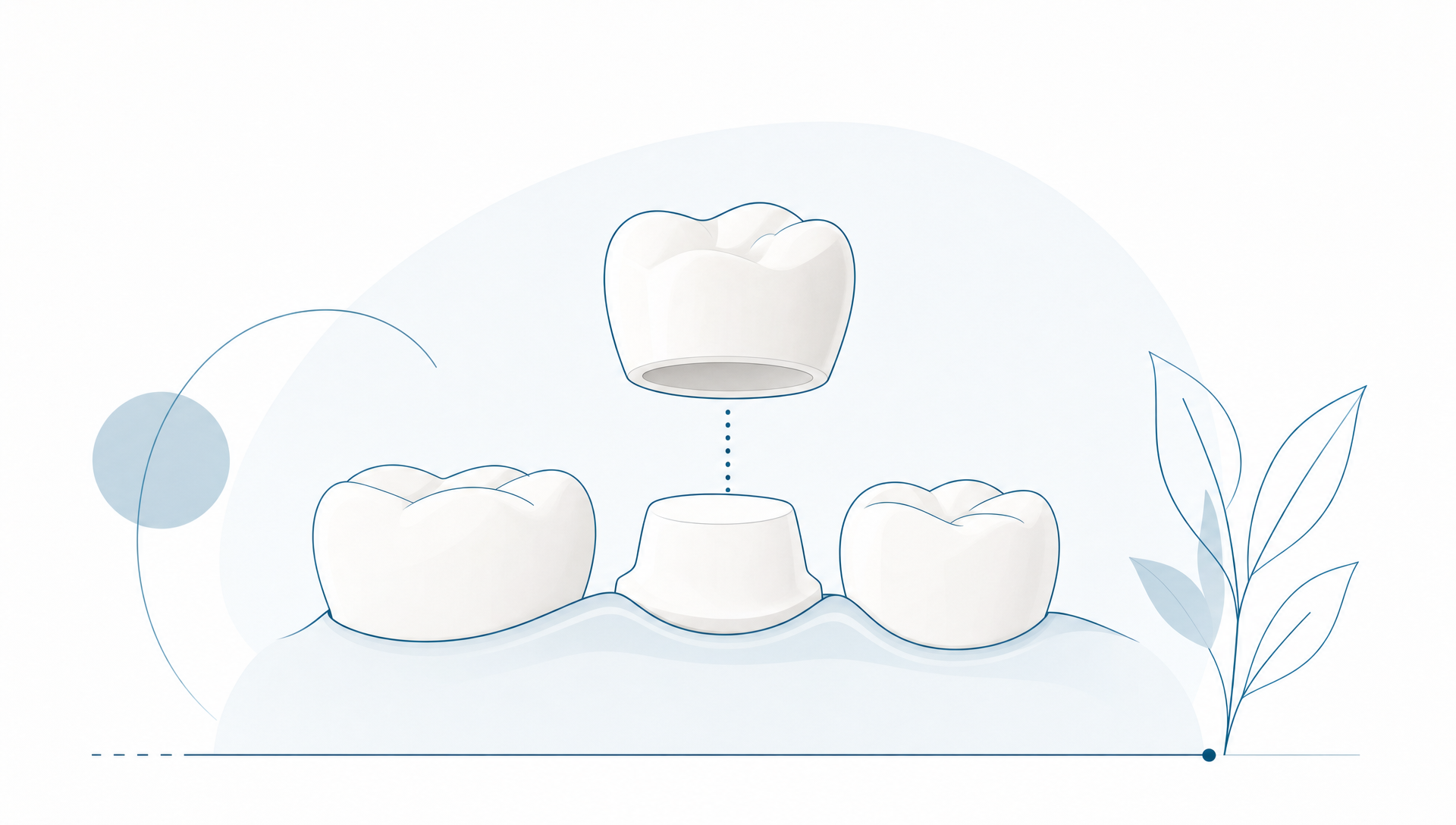
Veneers and crowns are sometimes discussed when tooth shape, surface texture, old restorations or wear are more noticeable. Veneers are thin shells, usually placed on the front surface of selected teeth. Crowns cover more of the tooth and are generally considered when a tooth also needs structural support.
These treatments require careful planning because they can involve permanent changes to natural tooth structure. Your dentist should explain the amount of preparation involved, possible sensitivity, maintenance needs, expected lifespan, alternatives and what may happen if a restoration chips or needs replacement later.
If alignment or bite is the concern
When teeth are crowded, spaced, rotated or not meeting evenly, orthodontic treatment may be more appropriate than covering teeth with restorations. Braces or clear aligners may be discussed depending on the case, although suitability depends on tooth movement needed, gum health, bite, compliance and individual goals.
Orthodontic treatment usually takes longer than whitening or bonding, but it may reduce the need to alter healthy tooth structure in some cases. After treatment, retainers are commonly needed to help reduce the risk of teeth shifting back.
If your gum line affects the appearance of your smile
Some people are concerned about excess gum display or an uneven gum line. Gum recontouring may be considered in selected cases, but only after the cause has been assessed. A gummy smile can relate to gum position, tooth size, jaw development, lip movement or tooth wear, so treatment choices vary.
If this is your main concern, Bright Smiles has a separate article about factors involved in fixing a gummy smile, including why the underlying cause matters.
If you have a missing tooth
A missing tooth can affect appearance, chewing and how neighbouring teeth behave over time. Options may include a denture, bridge or dental implant, depending on the condition of surrounding teeth, gum and bone support, medical history and preferences.
Dental implants involve a surgical component and are not suitable for everyone. If you are comparing options, it may be useful to read Bright Smiles’ article on questions to ask about dentures or dental implants.
Questions to ask before deciding
A good cosmetic consultation should leave you with a clear understanding of your options, not pressure to choose quickly. Consider asking:
- What are the main causes of the concern I can see?
- Are my teeth and gums healthy enough for this treatment now?
- Is there a more conservative option worth considering first?
- What are the possible risks, limitations and maintenance needs?
- How might this treatment affect existing fillings, crowns or veneers?
- What costs are involved, and can treatment be staged if appropriate?
- What happens if I grind my teeth or have sensitivity?
- What result is realistic for my teeth, bite and oral health?
If cost is a factor, ask about treatment priorities, staging and available payment options. In some situations, it may be more appropriate to manage urgent dental health concerns first and plan cosmetic care later.
What to expect at a cosmetic dental consultation at Bright Smiles
At Bright Smiles, a consultation for cosmetic dentistry generally starts with a conversation about what concerns you and what you would like to understand. Your dentist can then assess your teeth, gums, bite and existing dental work before discussing options that may be suitable.
You should expect a balanced discussion. This may include the potential benefits of each option, what treatment may involve, what maintenance could be required, and what alternatives exist, including doing nothing if treatment is not needed. If anxiety has stopped you from discussing dental care before, these practical ways to deal with dental anxiety may be useful before your visit.
Bright Smiles sees patients at both the Brightwater and Currimundi locations. Because individual circumstances vary, the team cannot recommend a treatment without examining your teeth and discussing your goals, medical history and oral health.
Benefits, limitations and realistic expectations
Cosmetic dental treatment may help improve the appearance of teeth, but it should be approached with realistic expectations. Teeth naturally vary in colour, shape and alignment. A result that looks balanced for one person may not be the right choice for another.
All dental procedures carry potential benefits and risks. These may include sensitivity, gum irritation, changes to bite, restoration fracture, need for replacement, colour mismatch, relapse after orthodontic movement, or the need for additional treatment in the future. The likelihood and significance of these risks depends on the treatment and your individual situation.
It is also important to think about maintenance. Whitening may need periodic review. Bonding may need polishing or repair. Veneers and crowns need daily cleaning and regular dental checks. Orthodontic results usually require retainers. Implants, bridges and dentures also need ongoing care.
A careful plan should protect your oral health while addressing the cosmetic concern where appropriate. If a suggested option sounds more extensive than you expected, it is reasonable to ask why, what alternatives exist and what would happen if you delayed or declined treatment.
Frequently Asked Questions
Is whitening the simplest cosmetic dental treatment? Whitening may be one of the more conservative options when the main concern is colour, but it is not suitable for every person or every type of staining. A dentist can check for decay, gum recession, sensitivity and existing restorations before advising whether whitening may be appropriate.
Are veneers better than bonding? Not necessarily. Veneers may suit some shape, colour or surface concerns, while bonding may be suitable for smaller changes. Bonding is often more conservative, but porcelain may be more stain-resistant. The better option depends on your teeth, bite, expectations and maintenance needs.
Can cosmetic dentistry help if my teeth are crooked? Sometimes, but the most suitable option depends on the severity and cause. Minor shape concerns may be managed with bonding or veneers in selected cases, while crowding, spacing or bite concerns may be better assessed for orthodontic treatment.
Will cosmetic dental treatment last permanently? No dental treatment should be considered permanent. Restorations and whitening results can change over time, and maintenance or replacement may be needed. Your dentist can explain what is realistic for the option being discussed.
Do I need to decide on treatment at my first appointment? In most cases, it is reasonable to take time to consider your options. A consultation should help you understand suitability, benefits, risks, costs and alternatives so you can make an informed decision.
Considering cosmetic dentistry on the Sunshine Coast?
If you are thinking about a cosmetic dental treatment, a dental examination can help clarify what is causing your concern and which options may be appropriate. Your dentist can assess your oral health, explain the potential benefits and risks, and discuss alternatives based on your individual needs.
To discuss your concerns, you can book an appointment with the team at Bright Smiles at either the Brightwater or Currimundi location.