

If you are planning your first visit to Bright Smiles Dentistry, a little preparation can make the appointment feel more straightforward. Bright Smiles sees patients at its Brightwater and Currimundi locations on the Sunshine Coast, with care that may include general dentistry, cosmetic dental treatment, restorative options, orthodontics, emergency dental care and children’s dental visits.
This guide explains what to know before booking or attending, including how to choose the right appointment type, what to bring, what questions to ask and how to approach treatment decisions without feeling rushed.
The short version: what to know before you book
Before visiting, think about the reason for your appointment. Are you booking a routine check-up, a specific concern such as toothache or sensitivity, a cosmetic consultation, an emergency appointment, or a visit for your child? The clearer you can be when booking, the easier it is for the dental team to understand what you may need.
It is also worth checking practical details before the day, such as the location you have booked, appointment time, parking or transport plans, health fund information, payment options and whether any previous dental records or X-rays may be useful.
If you feel nervous about dental appointments, mention this when booking or when you arrive. Dental anxiety is common and your dentist can talk through what is happening before treatment begins.
Before visiting Bright Smiles Dentistry, choose the right appointment type
Not every dental visit is the same. Choosing the right appointment type helps set expectations and gives the team useful context.
| Reason for visiting | What the appointment may focus on | Helpful details to mention when booking |
|---|---|---|
| Routine check-up | Teeth, gums, bite, oral hygiene and any concerns noticed during examination | When your last dental visit was and whether you have symptoms |
| Toothache or sensitivity | Finding the possible cause of pain, sensitivity or discomfort | When it started, what triggers it and whether it is getting worse |
| Cosmetic dental enquiry | Discussing appearance-related concerns and possible options | What you would like to understand, such as whitening, veneers, bonding or alignment |
| Broken tooth or lost filling | Assessing damage and whether temporary or longer term care may be needed | How it happened, whether there is pain and whether you have the broken piece |
| Child’s dental visit | Checking growth, teeth, gums, habits and comfort with the dental setting | Your child’s age, any symptoms and whether they have visited a dentist before |
| Orthodontic concern | Looking at tooth position, bite and possible next steps | Whether crowding, spacing or bite changes are the main concern |
This article cannot tell you which treatment is suitable for you. A dentist needs to assess your mouth, health history, symptoms and goals before discussing options. All dental procedures have potential benefits, limitations and risks, which should be explained before you decide whether to proceed.
What your first appointment may involve
A first appointment is usually about understanding your oral health and the reason for your visit. Depending on your needs, it may include a discussion about your dental history, medical history, medications, allergies and any current symptoms.
Your dentist may examine your teeth, gums, soft tissues, jaw movement and bite. If clinically appropriate, X-rays or other records may be recommended to help assess areas that cannot be seen during a visual examination. You can ask why an X-ray is being suggested, what it may show and whether there are alternatives.
After the assessment, the dentist can explain findings in plain language. If treatment is recommended, you can ask about the purpose of the treatment, likely steps involved, possible risks, costs, timeframes and other options, including the option of monitoring in appropriate situations.
If you are still choosing a dental provider, Bright Smiles has also published a local guide on how to choose the right dentist on the Sunshine Coast, which covers practical points such as services, communication and comfort with the practice.
What to bring to your appointment
You do not need to overprepare, but a few details can help your dentist make a more informed assessment.
Bring or have ready:
- Your Medicare card, private health fund card or relevant concession details if applicable
- A list of current medications, supplements and allergies
- Details of medical conditions that may affect dental care, such as diabetes, heart conditions, pregnancy or previous reactions to anaesthetic
- Any recent dental X-rays, treatment plans or records if you have them
- A note of your symptoms, including when they started and what makes them better or worse
- Your questions about treatment options, costs or appointment timing
If you are booking for a child, it can help to bring their Child Dental Benefits Schedule details if you believe they may be eligible for bulk-billed dental care. Eligibility and coverage can change, so it is sensible to confirm current requirements before the appointment.
If you feel nervous about dental care
Feeling anxious about the dentist is not unusual. Some people feel nervous because of a previous experience, fear of pain, embarrassment, sensitive teeth, gagging, needles, sounds or simply not knowing what will happen.
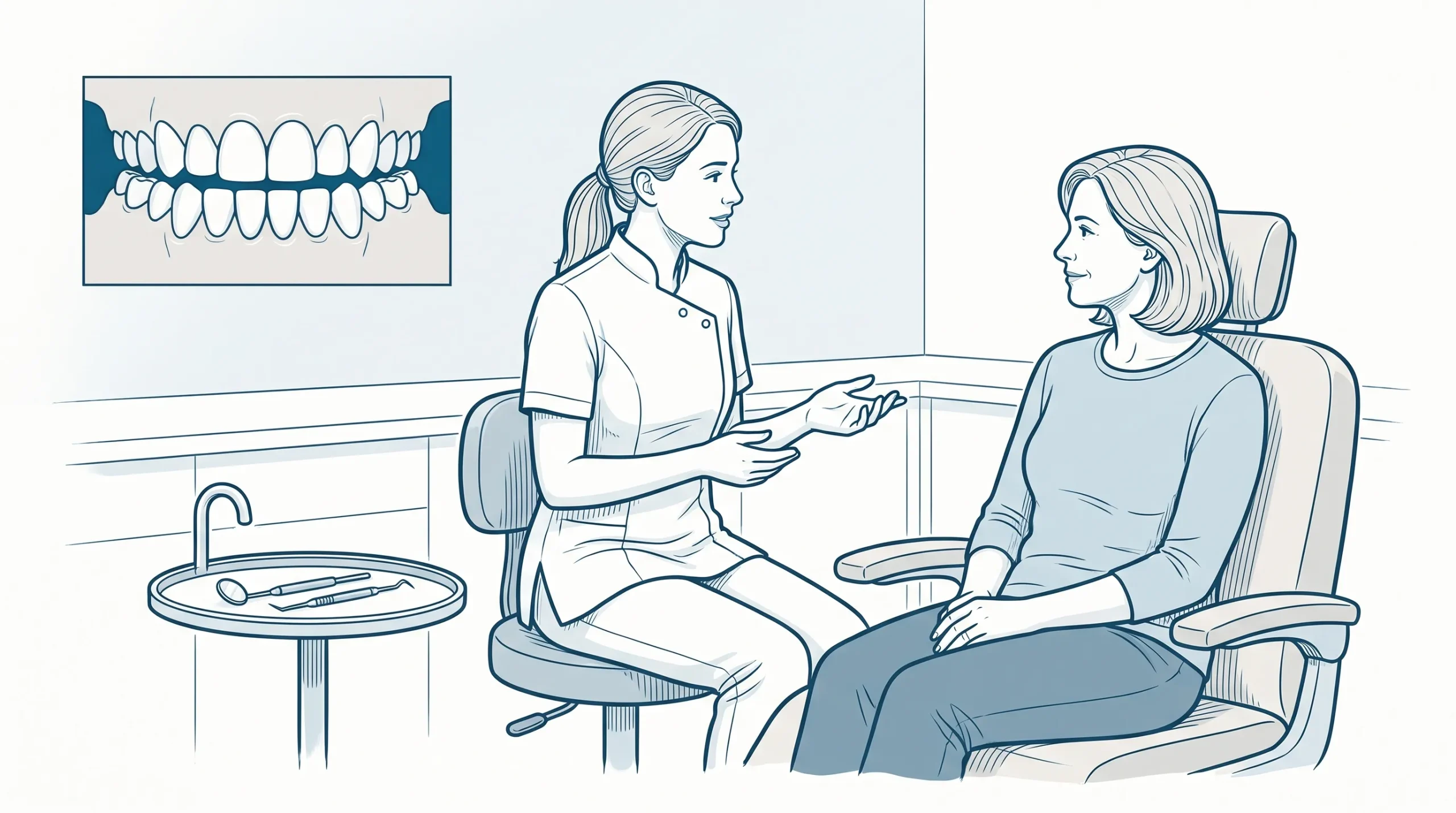
The most useful first step is to tell the team. You do not need to explain everything in detail if you do not want to, but a simple note such as “I feel anxious at dental appointments” gives your dentist a chance to slow down, explain each stage and check your comfort during the visit.
You may also want to agree on a signal to pause, bring headphones if that helps you settle or ask for a shorter appointment where appropriate. If anxiety has been a barrier to care, Bright Smiles has a practical article on ways to deal with dental anxiety that may be useful before your visit.
Costs, payment options and health fund questions
Dental costs vary because treatment needs vary. A simple check-up, emergency assessment, filling, crown, whitening consultation or orthodontic discussion can involve different appointment lengths, materials and follow-up requirements.
Before treatment begins, ask for an explanation of the expected fees and what is included. If there are stages of care, ask whether the estimate covers all stages or only the first appointment. If you have private health insurance, the amount you can claim depends on your fund, level of cover, waiting periods and annual limits.
Bright Smiles supports flexible payment options, but you should confirm the current options, terms and suitability directly with the practice. Payment plans are financial arrangements, so take time to understand any fees, repayment obligations and what happens if your treatment plan changes.
Useful questions include:
- What is the purpose of this treatment?
- Are there other reasonable options?
- What may happen if I delay or choose not to proceed now?
- What are the potential risks or limitations?
- How many appointments may be needed?
- What will the appointment cost and what might my health fund contribute?
A clear conversation about fees does not replace clinical advice, but it can help you make decisions that fit your circumstances.
Preparing for children’s dental visits
For children, a calm and simple explanation is usually better than too much detail. You might say the dentist will count their teeth, check their smile and help keep their teeth healthy. Avoid promising that nothing will feel uncomfortable, as experiences can vary, and avoid using the visit as a warning about poor brushing.
If it is your child’s first dental appointment, arrive with enough time to settle in and bring any relevant health details. Parents and carers can ask about brushing technique, fluoride toothpaste, thumb sucking, mouthguards, diet, tooth eruption and what to do if a baby tooth is knocked or loosened.
Bright Smiles has a separate guide with kiddie dental care tips for a positive first visit if you would like more child-focused preparation.
If you are booking for a cosmetic concern
Cosmetic dentistry can include options such as teeth whitening, bonding, veneers, crowns or orthodontic treatment. These treatments are not one-size-fits-all. Suitability depends on tooth structure, gum health, bite, existing restorations, oral hygiene, medical history and your expectations.
For example, teeth whitening may not change the colour of crowns, fillings or veneers. Veneers and crowns usually involve altering tooth structure, which has long term implications. Orthodontic treatment can take time and may require retainers afterwards. Bonding may be more conservative in some cases, but it can chip or stain and may need maintenance.
A cosmetic consultation should include a discussion of the possible benefits, alternatives, risks and maintenance needs. It is reasonable to ask your dentist to explain which options are reversible, which are not and what ongoing care may be required.
If your concern is urgent
Some dental symptoms may need prompt professional assessment. These can include facial swelling, dental trauma, severe toothache, uncontrolled bleeding, signs of infection, a knocked-out adult tooth or difficulty swallowing or breathing. If breathing or swallowing is affected, seek emergency medical care immediately.
For dental emergencies, contact the practice directly rather than relying only on online booking. Describe the symptom clearly, including when it started, whether swelling is present, whether you have a fever and whether the tooth has been injured.
If a tooth is knocked out, avoid scrubbing the root. If it is an adult tooth, urgent dental advice is needed. If you are unsure whether a symptom is urgent, call for guidance or contact an appropriate health service.
Reading dental information online with a practical eye
Many people find a dentist by searching online, reading practice websites and checking public information. That is a sensible starting point, but health decisions should be based on individual assessment rather than marketing claims or general online descriptions.
For healthcare information, use trusted Australian sources such as the Australian Dental Association’s Teeth.org.au or direct guidance from your dentist. Advertising for regulated health services in Australia must also follow AHPRA advertising guidance, including avoiding misleading claims, testimonials about clinical outcomes and guarantees.
If you run a local business yourself, you may be familiar with how search visibility affects which providers people find first. A non-clinical example is SEO Bridge’s local SEO agency website, which explains how businesses can appear in local search. For dental care, however, use online information as a starting point and confirm clinical details directly with the practice.
Questions worth asking during your visit
A good dental appointment should leave you with a clearer understanding of your oral health and your options. You do not need to remember every dental term. It is fine to ask your dentist to explain things again or write down the main points.
Consider asking:
- What do you think is causing my concern?
- Is treatment needed now, or can it be monitored?
- What are the benefits and risks of each option?
- What happens if I choose not to have treatment at this stage?
- How should I care for the area at home?
- Are there habits or products I should avoid?
- When should I return for review?
For routine care, you can also ask about brushing, flossing, fluoride toothpaste, diet, mouthguards and ways to reduce decay or gum problems at home. Dental care is most useful when it fits your daily life, not just what happens in the chair.
Frequently Asked Questions
Does Bright Smiles Dentistry have more than one location? Yes. Bright Smiles sees patients at Brightwater and Currimundi on the Sunshine Coast. When booking, confirm which location your appointment is for so you can plan travel and arrival time.
Can I book online? Bright Smiles offers online appointment booking. If you have severe pain, swelling, trauma or another urgent concern, it is usually better to call the practice directly so the team can understand the situation.
What if I have not been to the dentist for years? You can still book an assessment. Let the dentist know about any concerns, symptoms or anxiety. The appointment can help identify your current oral health needs and which options may be appropriate.
Are children’s dental appointments available? Bright Smiles provides family-focused dental care and supports children’s bulk billing where applicable. Eligibility and coverage should be confirmed before the appointment.
Will I need treatment at my first visit? Not always. Your dentist may recommend treatment if a problem is found, but they should explain the reason, risks, benefits, alternatives and costs before you decide. In some situations, monitoring or preventive advice may be appropriate.
Can I ask about cosmetic dental options without committing to treatment? Yes. A consultation can help you understand what may be suitable, what limitations apply and what other options exist. Cosmetic treatment should only be considered after an assessment of your oral health and individual circumstances.
A calm next step
A dental examination can help determine the cause of symptoms, check your overall oral health and clarify which options may be appropriate for your needs. If you are considering treatment, your dentist can explain the potential benefits, risks, alternatives, likely costs and maintenance needs before you decide.
To discuss your concerns, you can book an appointment with the team at Bright Smiles Dentistry at either the Brightwater or Currimundi location.