

Dental wellbeing is the small daily care that helps your mouth stay comfortable, functional and healthy enough to support the rest of your routine. It is not another complicated wellness trend. A good dental wellbeing routine usually means brushing with fluoride toothpaste, cleaning between teeth, choosing tooth-friendly drinks and having dental checks at intervals that suit your individual needs.
For many people, dental care only comes to mind when something hurts. In reality, your teeth, gums, jaw and mouth habits are part of everyday life: eating breakfast, packing school lunches, drinking coffee at work, playing sport, sleeping well and feeling able to speak or chew comfortably. When your oral health is steady, those ordinary parts of the day tend to be easier to manage.
Bright Smiles sees patients at both the Brightwater and Currimundi locations on the Sunshine Coast, and many appointments start with simple questions about routines. What do you drink most often? Do your gums bleed when brushing? Are you clenching at night? Do your children snack often after school? These details help your dentist understand what may be affecting your mouth day to day.
What dental wellbeing means in everyday life
Dental wellbeing is broader than having no toothache. It includes healthy gums, clean teeth, a comfortable bite, fresh breath, a balanced diet, habits that protect enamel and confidence that you know when to seek advice. It also includes practical factors, such as whether your routine is realistic for your work hours, family life and budget.
A routine does not need to be complicated to be useful. Brushing twice a day with fluoride toothpaste, cleaning between the teeth, drinking water regularly and limiting frequent sugary snacks can all support oral health. The Australian Dental Association's patient resource, teeth.org.au, provides plain-language information about everyday oral care for Australian families.
Dental wellbeing also depends on professional care when it is needed. Home care can reduce plaque, but it cannot assess decay under a filling, check the stability of a crown, diagnose gum disease or investigate a persistent mouth ulcer. For a deeper explanation of prevention, early detection and treatment planning, Bright Smiles has discussed how oral health and dental care are connected.
Why your mouth belongs in your overall health routine
The mouth is not separate from the rest of the body. Oral health can be affected by general health conditions, medications, stress, pregnancy, diet, hydration and sleep patterns. For example, some medications may contribute to dry mouth, which can increase the chance of tooth decay because saliva helps protect teeth. People with diabetes may also need more tailored gum care, as gum health and blood glucose management can influence each other.
This does not mean dental care can prevent every health issue, or that oral symptoms always point to a serious problem. It means your mouth can give useful clues about your wider routine. Bleeding gums, ongoing bad breath, mouth dryness, jaw soreness or repeated ulcers are worth mentioning to your dentist, especially if they are new or persistent.
Dental wellbeing can also support everyday comfort. Teeth that are sensitive may make cold drinks difficult. Gum inflammation can make brushing unpleasant. Missing or heavily worn teeth may affect how you chew certain foods. A dental examination can help identify possible causes and explain options, including the benefits, risks and alternatives of any treatment that may be considered.
A simple dental wellbeing routine that fits into your day
The most reliable routine is the one you can repeat. It is usually better to build a steady, realistic pattern than to rely on occasional bursts of effort. If mornings are rushed, keep brushing supplies visible. If children resist brushing, connect it to something predictable, such as pyjamas before bed. If you snack often during work, keep water nearby and try to avoid grazing on sugary foods over long periods.
| Part of the day | Dental wellbeing habit | Why it may help |
|---|---|---|
| Morning | Brush with fluoride toothpaste before leaving home | Helps remove plaque and supports enamel protection |
| Meals and snacks | Drink water often and reduce frequent sugary foods or drinks | Reduces repeated acid exposure on teeth |
| Evening | Brush again and clean between teeth where recommended | Targets plaque that collects near the gums and between teeth |
| Sport and activity | Use a suitable mouthguard for contact sport if advised | May reduce the risk of dental injury during play |
| Regular check-ins | Attend dental examinations at an interval recommended for you | Allows early assessment of teeth, gums and mouth changes |
Families often need routines that work around school, sport, shift work and competing priorities. If your household is trying to make oral care more consistent, the Bright Smiles guide to healthy smiles dental habits for busy families offers practical ideas for brushing, food choices and family routines.
A useful test is whether your dental habits are easy to do on a normal weekday, not just when you have time. If a routine depends on motivation, it may fall away during busy periods. If it is tied to ordinary triggers, such as showering, preparing breakfast or winding down before bed, it is more likely to last.
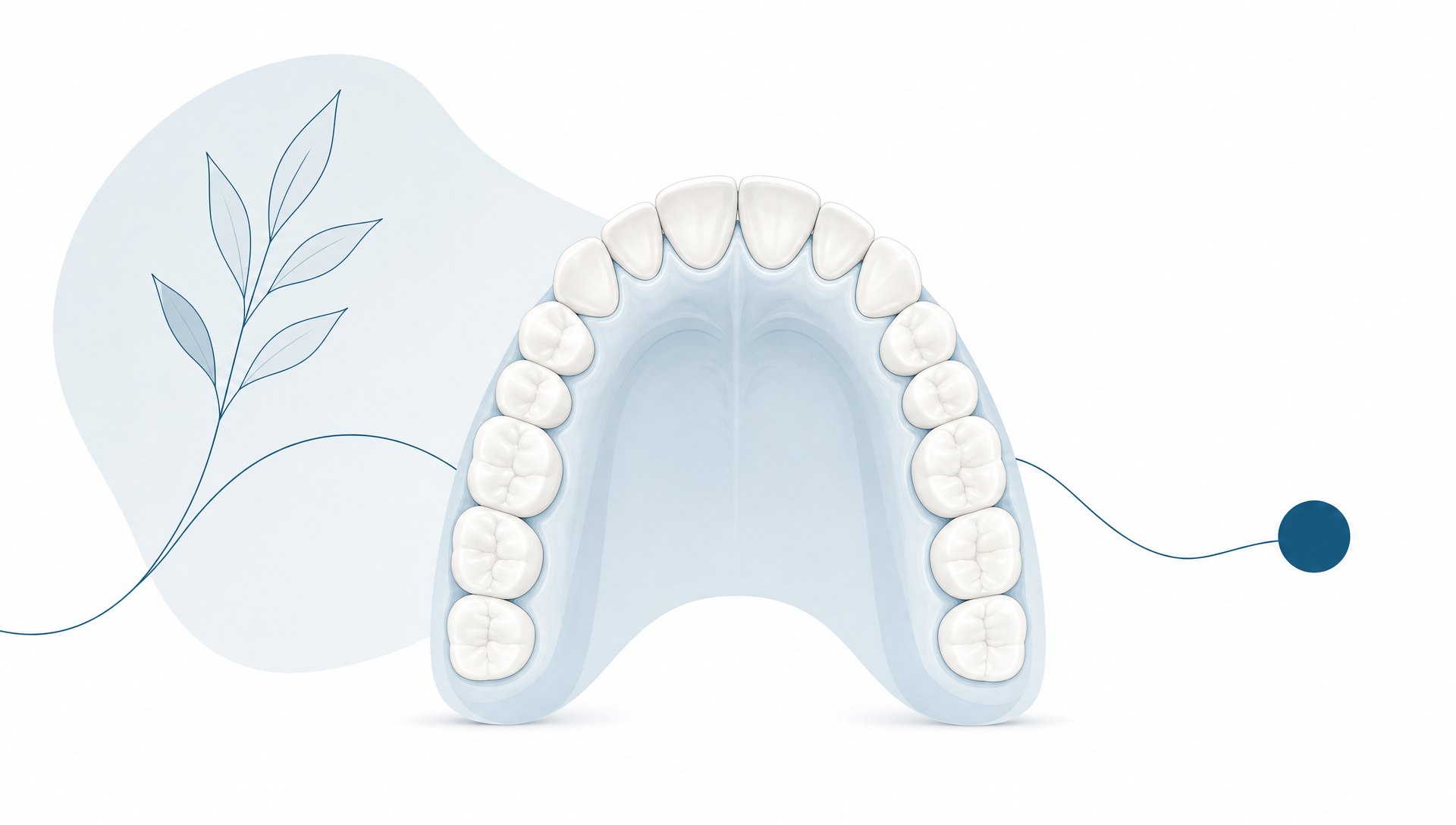
How dental wellbeing supports the rest of your routine
Eating and drinking
Your mouth plays a central role in nutrition, but food choices also affect your teeth. Frequent sugary drinks, sports drinks, juice, flavoured milk and sweet snacks can increase acid attacks on enamel. You do not need to avoid every treat, but frequency matters. Having sweet foods with meals rather than grazing across the day may be less challenging for teeth than repeated snacking.
Water is a simple support for dental wellbeing. In many parts of Australia, tap water contains fluoride, which can help strengthen tooth enamel. If you mainly drink bottled water, filtered water or soft drinks, your dentist can discuss whether your routine is giving your teeth enough fluoride exposure.
Sleep, stress and jaw habits
Stress and sleep can show up in the mouth. Some people clench or grind their teeth, often without realising it. Signs may include jaw tenderness, morning headaches, tooth wear, cracked fillings or sensitivity. These symptoms can have different causes, so a dental assessment is needed before assuming grinding is the reason.
If clenching or grinding is suspected, your dentist may discuss management options based on your teeth, jaw joints and symptoms. Treatment suitability varies between patients, and not everyone needs the same approach.
Dental anxiety and delayed care
Dental anxiety is common and can interrupt a person's wellbeing routine by making check-ups harder to book. Avoidance may allow small issues to become more uncomfortable or complex, although each situation is different. If worry about appointments is one reason you delay care, Bright Smiles has practical advice on ways to deal with dental anxiety.
It can also help to tell the dental team what you are concerned about before or at the start of an appointment. Some people worry about discomfort, costs, judgement, sounds, needles or past experiences. Naming the concern gives your dentist a chance to explain what is happening, pause when needed and discuss options within the limits of safe, appropriate care.
Keeping care close and familiar
Routine care is easier when it fits into your real life. For Sunshine Coast patients, that might mean choosing appointments around work, school drop-off or family commitments at Bright Smiles in Brightwater or Currimundi. If you have family outside Queensland, the same principle applies: choosing a nearby family dental practice, such as Gentle Dental Geelong, may make it easier to keep routine appointments rather than waiting until symptoms become harder to ignore.
When dental wellbeing needs extra attention
A regular routine is useful, but some signs should not be ignored. You do not need to panic, and you do not need to diagnose yourself at home. These symptoms are simply reasons to seek professional advice:
- Toothache, swelling or pain when biting
- Bleeding gums that continue despite gentle brushing and cleaning between teeth
- Sensitivity that is new, worsening or affecting eating and drinking
- A broken tooth, lost filling or damaged crown
- Jaw pain, clicking with discomfort or difficulty opening
- Mouth ulcers or patches that do not heal within two weeks
- Ongoing dry mouth or bad breath
- Dental trauma, including a knocked or loosened tooth
Facial swelling, fever, uncontrolled bleeding or a knocked-out adult tooth may require prompt dental or medical attention. If you are unsure whether something is urgent, contacting a dental practice for guidance is reasonable.
What a dental wellbeing appointment may involve
A dental appointment focused on wellbeing is usually about understanding your current oral health, not pushing treatment. Your dentist may ask about your brushing routine, diet, medical history, medications, symptoms and any concerns you have. They may examine your teeth, gums, bite and soft tissues, and they may recommend X-rays if clinically appropriate.
If treatment is recommended, you can ask why it is being suggested, what alternatives may be available, what could happen if you wait, what the risks and benefits are and what costs may be involved. All dental procedures carry potential risks and benefits, and suitability depends on your oral health, medical history, anatomy, goals and individual circumstances.
Some appointments may end with reassurance and preventive advice. Others may lead to a treatment plan. Either way, the aim is to make decisions with clear information rather than guesswork.
Frequently Asked Questions
How often should I see a dentist for dental wellbeing? Many people are advised to have dental check-ups about every six months, but the right interval varies. Your dentist may suggest more or less frequent visits depending on your gum health, decay risk, medical history, symptoms and previous dental treatment.
Can dental wellbeing affect general health? Oral health is connected with general wellbeing, but it should not be seen as a substitute for medical care. Your mouth can be affected by diet, medications, health conditions and stress. If symptoms are persistent or unusual, a dentist or doctor can assess what may be contributing.
Do I need cosmetic dental treatment for dental wellbeing? No. Cosmetic dentistry is optional and is not required for oral health. Some people consider cosmetic treatment after their teeth and gums have been assessed, but suitability, limitations, risks and likely outcomes need to be discussed with a dentist.
What if my gums bleed when I brush? Bleeding gums can be a sign of gum inflammation, brushing technique issues or other factors. Keep brushing gently with a soft toothbrush and arrange a dental assessment if bleeding continues, worsens or is accompanied by swelling, bad breath or tenderness.
Is dental wellbeing different for children and adults? The basic principles are similar, but needs change with age. Children may need support with brushing technique, fluoride use and diet. Adults may need advice about gum health, restorations, tooth wear, dry mouth, pregnancy, medical conditions or medications.
Discuss your dental wellbeing with Bright Smiles
This article provides general information and cannot replace personalised dental advice. A dental examination can help determine the cause of symptoms and which options may be appropriate for your circumstances.
To discuss your concerns, you can book an appointment with the team at Bright Smiles at either the Brightwater or Currimundi location. Your dentist can assess your oral health and explain any potential benefits, risks and alternatives before treatment decisions are made.