

Oral health and dental care are connected in a simple way: your daily habits protect your teeth and gums, while professional dental care helps identify problems early, manage disease and plan treatment when needed.
If you only think about dental care when something hurts, it is easy to miss the bigger picture. Many dental concerns, including early tooth decay and gum inflammation, may develop quietly before obvious symptoms appear. That is why oral health is not just about responding to pain. It is also about prevention, monitoring and making informed choices before problems become more complex.
For Sunshine Coast families, busy workers and anyone who has delayed a check-up, understanding this connection can make dental decisions feel clearer and less overwhelming.
What oral health means
Oral health refers to the condition and function of your mouth. This includes your teeth, gums, tongue, cheeks, jaw joints, saliva, bite and the tissues that support your teeth. It also includes comfort when eating, speaking, brushing and smiling.
Good oral health does not mean your teeth need to look a certain way. Natural teeth vary in colour, shape and alignment. From a dental perspective, the focus is whether your mouth is healthy, comfortable and functioning well.
Dental care is the practical side of supporting oral health. It includes what you do at home, such as brushing and cleaning between the teeth, and what happens during professional dental visits, such as examinations, cleaning, X-rays when appropriate and treatment planning.
Healthdirect’s dental care information explains that looking after the mouth is part of looking after general health. The Australian Dental Association’s patient resource, Teeth.org.au, also provides practical oral health information for Australian patients.
How dental care supports oral health
Dental care supports oral health in three main ways: it helps reduce risk, detects changes and manages concerns when they arise.
At home, brushing with fluoride toothpaste and cleaning between the teeth helps remove plaque. Plaque is a sticky film of bacteria that can contribute to tooth decay and gum irritation if it is not cleaned away regularly. Diet, saliva, medications, smoking, tooth crowding and medical history can also affect how much risk a person has.
At the dental clinic, your dentist can check areas that are difficult to assess yourself, such as the back teeth, gum pockets, existing fillings, early cracks, signs of wear and changes in the soft tissues of the mouth. If a concern is found, your dentist can explain what it means and whether monitoring, preventive care or treatment may be appropriate.
This is also where individual advice matters. Two people may brush equally well, but one may still have a higher risk of tooth decay because of dry mouth, diet, exposed root surfaces or past dental history.
| Part of dental care | What it usually involves | How it connects to oral health |
|---|---|---|
| Daily brushing | Brushing teeth and gums with fluoride toothpaste | Helps remove plaque and supports enamel protection |
| Cleaning between teeth | Floss, interdental brushes or other tools suited to your mouth | Helps clean areas a toothbrush may not reach |
| Regular dental examinations | Checking teeth, gums, bite, restorations and mouth tissues | Helps detect changes early and guide appropriate care |
| Professional cleaning | Removal of plaque and hardened calculus where needed | May support gum health and make home cleaning easier |
| Treatment planning | Discussing options, risks, benefits and alternatives | Helps match care to oral health needs and personal circumstances |
Why symptoms do not tell the whole story
Pain is one reason people book a dental appointment, but it is not the only sign that dental care may be needed. Some conditions can develop with mild symptoms or no obvious discomfort at first.
Bleeding gums, for example, are often easy to dismiss, especially if they only happen when flossing. However, bleeding can be a sign that the gums are irritated or inflamed. Sensitivity to cold, food trapping, bad breath, loose teeth, jaw soreness and chipped teeth are also worth discussing with a dentist, particularly if they continue or worsen.
There are also times when dental symptoms can come and go. A tooth may feel sensitive for a few days and then settle, even though the underlying cause still needs assessment. A cracked tooth, leaking filling or early gum problem may not be easy to identify without a clinical examination.
If you are unsure whether a symptom needs attention, it is reasonable to arrange an assessment rather than trying to self-diagnose. The aim is not to create worry, but to make sure changes are understood before decisions are made.
The link between mouth health and general wellbeing
The mouth is part of the body, so oral health can sit alongside other health considerations. Gum inflammation, dry mouth, diabetes, pregnancy, reflux, smoking, some medications and immune conditions can all influence the way a person’s mouth responds to plaque, bacteria and everyday wear.
This does not mean a dental visit can diagnose a medical condition. It means your dentist may ask about your general health and medications because those details can affect oral health advice, healing, treatment planning and risk levels.
For example, a patient with dry mouth may need different preventive strategies from someone with normal saliva flow. A person who grinds their teeth may need a different approach from someone whose main concern is gum bleeding. Someone considering cosmetic dental treatment may need general oral health concerns addressed first.
Bright Smiles has also covered this idea in more detail in its article on how cosmetic and general dentistry can work together, which explains why health and appearance are often considered together rather than separately.
What happens at a dental check-up
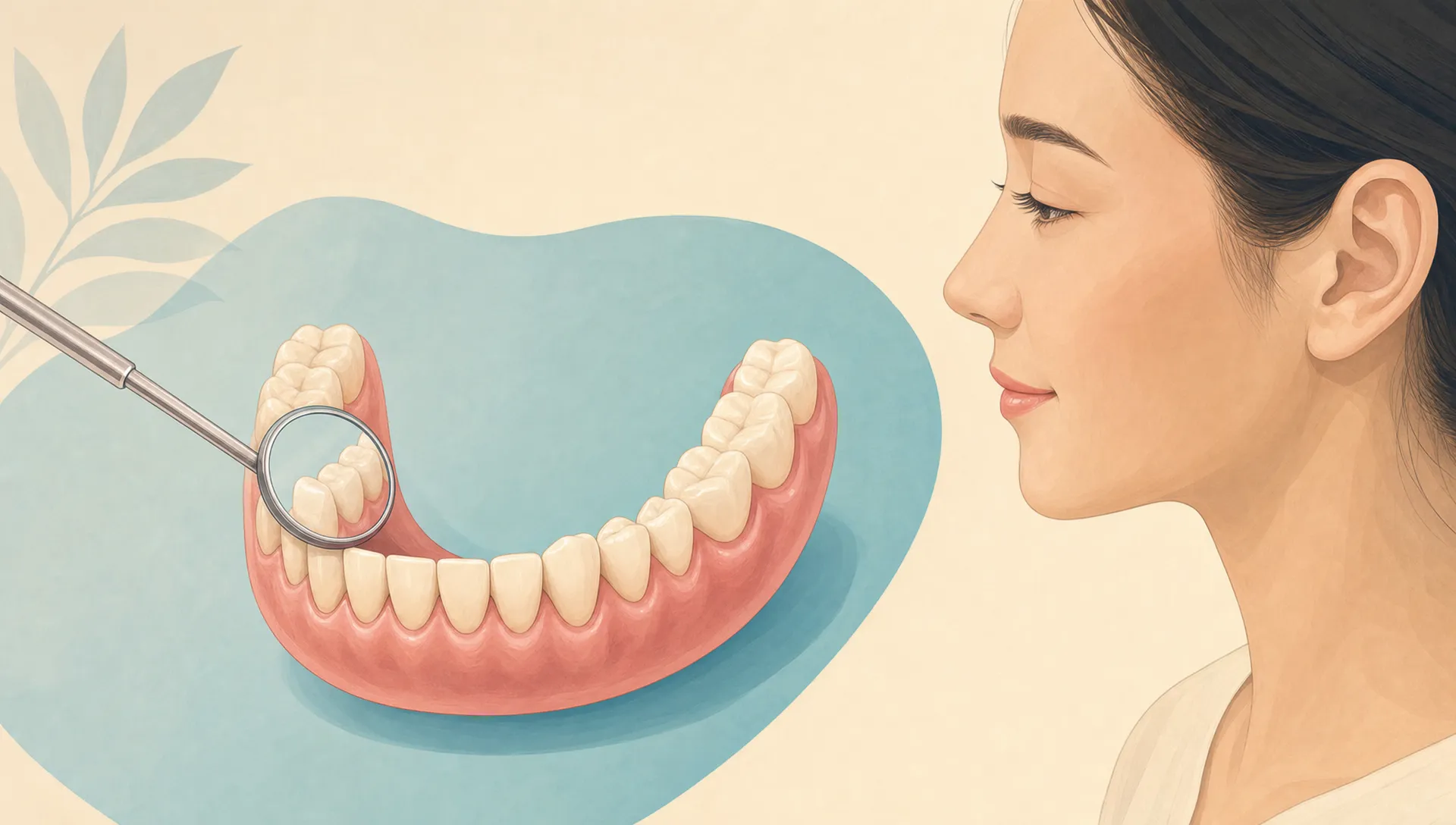
A dental check-up is not just a quick look for cavities. The exact appointment can vary depending on your needs, but it usually involves a broader assessment of your oral health.
Your dentist may check your teeth for decay, wear, cracks and the condition of existing dental work. They may assess your gums, bite, jaw comfort and soft tissues. X-rays may be recommended if they are clinically appropriate, for example to check areas not visible in the mouth.
If treatment is suggested, your dentist should explain why it may be recommended, what options may be available and what risks, benefits and alternatives apply. All dental procedures carry potential risks and benefits, and outcomes can vary between patients. Suitability depends on your oral health, medical history, anatomy, goals and individual circumstances.
For many people, the value of a check-up is clarity. You may learn that a concern can be monitored, that a simple preventive change may help or that treatment should be considered. Having that information can make decisions more practical.
Home care and professional care work together
Daily habits do a large share of the work. Dental appointments cannot replace home care, and home care cannot fully replace professional assessment. They support each other.
Brushing twice a day with fluoride toothpaste is a common recommendation, but technique matters. Brushing too hard may irritate the gums, while brushing too quickly may leave plaque behind. Cleaning between the teeth is also important because the sides of teeth can trap plaque and food debris.
If you are trying to improve your routine, Bright Smiles has a practical guide on taking care of your teeth and gums and another article explaining dental hygiene mistakes that can affect your gums.
Some people find oral health habits easier when they are attached to existing routines. For example, brushing before breakfast may suit one household, while brushing after breakfast may suit another if there is enough time after acidic foods or drinks. The best routine is one that is safe, consistent and tailored to your mouth.
Preventive health appointments can also be easier to remember when they are planned like other routine personal care appointments. Many people use calendar reminders for dental checks, eye tests, skin checks or even haircut and styling appointments. Dental care is different because it involves regulated health assessment, but the habit of planning ahead can still be useful.
How often should you see a dentist?
There is no single interval that suits everyone. Some people may be advised to attend every six months, while others may need a different schedule depending on their oral health, gum condition, decay risk, dental history, age or medical factors.
Your dentist can recommend a review interval after examining your mouth and understanding your risk factors. If you have ongoing gum concerns, frequent decay, dry mouth, dental appliances, complex restorations or a history of dental problems, your advice may differ from someone with low risk and stable oral health.
The same applies to children. Dental visits can help monitor development, tooth eruption, brushing habits and diet-related risks. Bright Smiles offers family-focused care, and children’s eligibility for bulk billing depends on applicable government arrangements and individual circumstances.
Dental care across different stages of life
Oral health needs can change over time. Children may need support with brushing technique, fluoride use, diet habits and confidence in the dental setting. Teenagers may need advice about orthodontics, wisdom teeth, sports mouthguards, soft drinks or snacking patterns.
Adults may be managing old fillings, gum concerns, tooth wear, cosmetic questions, pregnancy-related changes or the effects of stress and grinding. Older adults may face dry mouth, gum recession, missing teeth, dentures, implants or changes linked to medical conditions and medications.
This is why dental care should not feel like a one-size-fits-all checklist. The core habits stay similar, but advice should be adapted to the person.
When to arrange a dental assessment
A routine check-up can be useful even if you feel well. However, some symptoms are worth arranging an assessment for sooner, especially if they are persistent, worsening or affecting eating and sleep.
Consider speaking with a dentist if you notice:
- Toothache, facial swelling or pain when biting
- Bleeding, swollen or tender gums
- A broken, cracked or loose tooth
- Sensitivity that does not settle
- Bad breath or a bad taste that continues despite cleaning
- Mouth ulcers or patches that do not heal
- Jaw pain, clicking or tooth grinding concerns
- A lost filling, crown or dental appliance issue
If you have severe swelling, difficulty breathing, difficulty swallowing, uncontrolled bleeding or a serious injury, seek urgent medical or dental advice promptly.
FAQ
How are oral health and dental care connected? Oral health is the condition of your mouth, teeth, gums and supporting tissues. Dental care is what helps maintain, assess and manage that health through daily habits, check-ups, preventive care and treatment when appropriate.
Can I have dental problems without pain? Yes. Some dental and gum concerns may develop before pain becomes obvious. This is one reason routine examinations can be useful, even when your mouth feels comfortable.
Is brushing enough to maintain oral health? Brushing is important, but it may not clean between the teeth effectively. Many people also need floss, interdental brushes or another between-teeth cleaning method recommended by their dentist.
Should oral health be checked before cosmetic dental treatment? In many cases, yes. A dentist will usually assess tooth decay, gum health, bite, tooth structure and existing dental work before discussing cosmetic options. This helps determine whether treatment may be suitable and what alternatives should be considered.
How often should I book a dental check-up? The right interval varies. Your dentist can recommend a schedule based on your oral health, risk factors and treatment history rather than using the same timing for every person.
Discuss your oral health with Bright Smiles
Oral health and dental care work best when they are considered together. Home habits, regular assessments and timely advice can all contribute to a healthier mouth, but the right approach depends on your individual circumstances.
A dental examination can help determine the cause of your symptoms and which options may be appropriate. To discuss your concerns, you can book an appointment with the team at Bright Smiles at either the Brightwater or Currimundi location.