

Dental cleaning is often one of the simplest dental visits to understand, but it is also easy to overestimate what it can do. A professional clean can remove hardened build-up that brushing cannot shift, help your dentist assess your gums and leave your teeth feeling smoother. It cannot repair tooth decay, replace daily home care or change the natural colour of your teeth in the same way that whitening treatment may.
For patients on the Sunshine Coast, including those visiting Bright Smiles at Brightwater or Currimundi, the main value of dental cleaning is preventive care. It gives your dental team a clearer view of your teeth and gums, so they can explain what is happening and whether any further care may be worth considering.
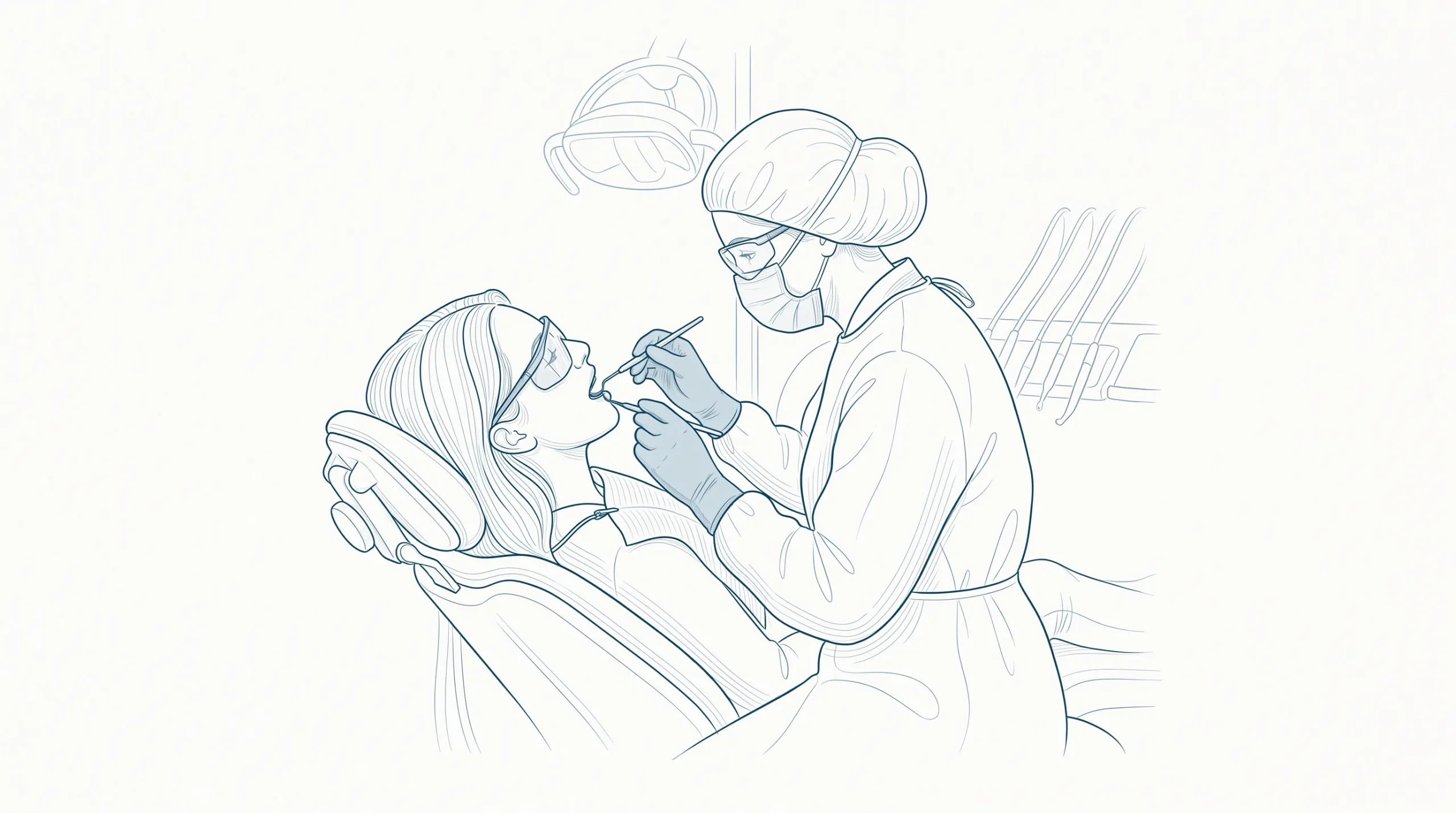
What a dental cleaning usually involves
A dental cleaning is often called a scale and clean, or a scale and polish. The “scale” part means removing plaque and calculus from the teeth. Plaque is the soft, sticky film that forms on teeth each day. Calculus, also called tartar, is plaque that has hardened and attached to the tooth surface.
Brushing and cleaning between your teeth can remove a lot of soft plaque, but they cannot reliably remove calculus once it has hardened. That is one reason professional cleaning may be recommended as part of ongoing dental care.
A dental cleaning appointment may include:
- An assessment of your teeth, gums and mouth before cleaning begins
- Removal of plaque and calculus using hand instruments or an ultrasonic scaler
- Cleaning around the gumline and between teeth where build-up often collects
- Polishing to smooth the tooth surface and remove some surface staining
- Personalised advice about brushing, flossing, interdental brushes or other home care aids
Depending on your needs, your dentist may also discuss fluoride, gum health, tooth wear, sensitivity, diet or other concerns noticed during the appointment. If you have not had a dental examination recently, cleaning may be combined with a check-up so the dentist can assess the bigger picture, not just the areas that need cleaning.
What dental cleaning can do for your teeth
Dental cleaning can be helpful because it removes deposits that are difficult or impossible to remove at home. Once calculus builds up near the gumline, it can trap more plaque and make the area harder to clean properly. Removing it may help the gums settle, especially if they have been irritated by plaque build-up.
A professional clean can also make the surfaces of the teeth feel smoother. Many patients notice this immediately after polishing, particularly behind the lower front teeth where calculus often collects. This smoother feeling is not just cosmetic. It can make it easier to keep the area clean afterwards, provided daily brushing and between-teeth cleaning continue.
Cleaning may also remove some external staining from foods, drinks or smoking. Tea, coffee, red wine and certain highly coloured foods can leave stains on the outer surface of the enamel. Polishing can reduce some of these stains, although the result varies depending on the type of stain, the enamel surface and lifestyle factors.
A dental clean can also help your dentist see the teeth and gums more clearly. Heavy calculus or staining can make it harder to assess certain areas. Once the build-up is removed, your dentist can check for issues such as gum inflammation, tooth decay, cracked fillings, tooth wear or areas that may need closer monitoring.
For a broader view of how cleaning fits into prevention, Bright Smiles has also covered what healthy dental care includes beyond brushing, including gum checks, fluoride, diet and cleaning between teeth.
What dental cleaning cannot do
Dental cleaning has clear limits. It is not a treatment for every dental problem, and it should not be seen as a substitute for a dental examination or a personalised treatment plan.
A clean cannot repair a cavity. Tooth decay happens when minerals are lost from the tooth structure. In very early stages, your dentist may discuss preventive measures that may help stabilise the area, depending on the situation. Once a cavity has formed, cleaning alone will not rebuild the missing tooth structure. Your dentist can explain whether monitoring, preventive care or restorative treatment may be appropriate.
A clean also cannot treat advanced gum disease on its own. Gum disease can range from gingivitis, which is gum inflammation, to periodontitis, where the supporting structures around the teeth are affected. A routine scale and clean may help with mild gum inflammation, but more involved gum treatment may be needed if deeper gum pockets, bone loss or tooth mobility are present. Healthdirect’s overview of gum disease explains common signs and why professional assessment matters.
Dental cleaning also cannot whiten teeth beyond their natural shade. It may remove some surface stain, but it does not change the deeper colour of enamel or dentine. If tooth colour is your main concern, your dentist can assess whether whitening or another cosmetic option may be suitable. Suitability depends on your oral health, restorations, sensitivity, expectations and the cause of the discolouration.
It also cannot stop plaque from returning. Plaque begins forming again after you eat and drink, which is why daily home care remains essential. A professional clean can reset the surfaces by removing hardened deposits, but your habits between appointments have a major influence on how quickly plaque and calculus build up again.
| Dental cleaning may help with | Dental cleaning cannot do |
|---|---|
| Removing hardened calculus from tooth surfaces | Repairing cavities or replacing lost tooth structure |
| Reducing plaque build-up around the gumline | Treating advanced gum disease on its own |
| Removing some surface stains from food, drinks or smoking | Changing the natural tooth colour like whitening treatment may |
| Making teeth feel smoother and easier to clean | Preventing plaque from returning without daily home care |
| Giving your dentist a clearer view during assessment | Replacing a full dental examination or personalised advice |
Does dental cleaning make loose teeth worse?
Some patients worry that removing calculus will make teeth feel loose. In a healthy mouth, dental cleaning should not make teeth loose. If a tooth already has reduced support because of gum disease, heavy calculus may have been masking the movement. Once the build-up is removed, the looseness may become more noticeable.
This does not mean the calculus was helping the tooth in a healthy way. Calculus can hold plaque against the gums and make gum inflammation harder to control. If a tooth feels loose, your dentist can assess the gums, bone support, bite forces and other factors before discussing possible options.
Can dental cleaning help with bad breath?
Dental cleaning may help if bad breath is linked to plaque, calculus or gum inflammation. Food debris and bacteria can collect between teeth, under the gumline, on the tongue or around dental work. Removing build-up and improving home care can make a difference for some people.
Bad breath can also have other causes, including dry mouth, sinus issues, reflux, smoking, certain medicines or other health conditions. If bad breath persists despite good oral hygiene, it is sensible to mention it at your appointment. Your dentist can assess whether the mouth appears to be a likely source and may suggest speaking with your GP if another cause is suspected.
Will a dental clean hurt?
Most people describe dental cleaning as pressure, vibration or scraping rather than pain, but experiences vary. If your gums are inflamed, teeth are sensitive or there is a lot of calculus, the appointment may feel more uncomfortable in some areas. Temporary gum tenderness or sensitivity can occur afterwards.
Tell your dentist if you are anxious, have sensitive teeth or have had a difficult dental experience in the past. They can explain what they are doing, adjust the pace where appropriate and discuss options that may make care more manageable for your situation. Bright Smiles provides anxiety-friendly dental care, so it is reasonable to raise concerns before or during your visit.
All dental procedures carry potential risks and benefits. For routine cleaning, possible short-term effects can include gum tenderness, minor bleeding if the gums are inflamed, temporary sensitivity or discomfort around areas with recession. Your dentist can explain what is relevant to your individual oral health.
How often should you have dental cleaning?
There is no single cleaning schedule that suits everyone. Some people are advised to attend around every six months, but others may need a different interval depending on their gum health, decay risk, medical history, smoking status, dry mouth, orthodontic appliances, dental restorations or ability to clean at home.
The Australian Dental Association’s consumer resource Teeth.org.au provides patient-friendly information about dental visits and daily oral health habits. The key point is that timing should be based on your risk factors and your dentist’s assessment, rather than a fixed rule that applies to every person.
If you build calculus quickly, have bleeding gums or have been treated for gum disease before, your dentist may suggest more regular reviews. If your mouth is stable and you maintain thorough home care, a different schedule may be suitable. Your dentist can explain the reasons for any recommended interval.
Home care still does most of the daily work
Professional cleaning is only one part of oral care. Most plaque control happens at home through brushing, cleaning between the teeth and keeping an eye on diet and snacking patterns. Fluoride toothpaste is commonly recommended because fluoride can help strengthen enamel and support prevention of tooth decay.
Cleaning between teeth is especially important because toothbrush bristles do not reach every contact area. Floss, interdental brushes or other aids may be recommended depending on the spacing between your teeth, your gums and your dexterity. If you are unsure which option suits you, bring your current products to your appointment and ask your dentist to check your technique.
Small habits are often easier to maintain when they are attached to an existing routine. This can matter for children, teenagers, busy adults and people who rely on support from carers. The same idea applies in broader daily support settings, including structured programs such as Ons Plekske, where activities like work, study, sport and relaxation are organised around predictable routines.
If bleeding gums or gum irritation are recurring issues, the Bright Smiles guide to dental hygiene mistakes that can affect your gums explains common habits that may contribute, such as brushing too hard or missing the gumline.
When to book a dental appointment rather than waiting for your next clean
It is reasonable to book a dental assessment if you notice a change that does not settle. Symptoms do not always mean something serious is happening, but they are worth checking if they persist or worsen.
Consider arranging an appointment if you notice bleeding gums, swollen gums, persistent bad breath, tooth sensitivity, pain when biting, a rough tartar-like feeling that keeps returning or a tooth that feels loose. You should also seek prompt dental advice for facial swelling, dental trauma, severe pain or signs of infection.
Dental cleaning may be part of the care you receive, but the first step is understanding the cause of the concern. Bright Smiles discusses this prevention-first approach in its article on how oral health and dental care are connected, including the role of examinations, home care and treatment planning.
Frequently asked questions
Can dental cleaning remove all stains? Dental cleaning can remove some surface stains, especially stains from foods, drinks or smoking that sit on the outer surface of the teeth. It cannot remove every type of discolouration, and it does not change the deeper natural colour of the tooth.
Is dental cleaning the same as teeth whitening? No. Dental cleaning removes plaque, calculus and some surface stains. Teeth whitening uses whitening agents to lighten tooth colour, and suitability should be assessed by a dentist because results and sensitivity vary between patients.
Can I remove tartar at home? Brushing and flossing can remove soft plaque, but hardened tartar usually needs professional removal. Trying to scrape it off at home may damage your gums or tooth surfaces.
Why do my gums bleed during cleaning? Gums may bleed if they are inflamed, often due to plaque build-up around the gumline. Bleeding can also be influenced by brushing technique, some medical conditions or medicines. Your dentist can assess the likely cause and discuss appropriate care.
Do children need dental cleaning? Some children may benefit from professional cleaning, while others may only need an examination, preventive advice and support with brushing habits. A dentist can assess what is suitable based on the child’s teeth, gums, diet, risk factors and cooperation.
Can a dental clean replace a check-up? Not usually. Cleaning focuses on removing deposits from the teeth. A check-up involves assessing the teeth, gums, mouth and sometimes X-rays where appropriate, so your dentist can identify concerns and explain options.
Considering a dental cleaning on the Sunshine Coast?
If it has been a while since your last clean, or you have concerns about tartar, staining, bleeding gums or sensitivity, a dental examination can help determine what is happening and which options may be appropriate.
To discuss your concerns, you can book an appointment with the team at Bright Smiles at either the Brightwater or Currimundi location. Your dentist can assess your oral health, explain the potential benefits, risks and alternatives, and help you decide what feels suitable for your circumstances.