

If you are comparing private health dental cover, the main thing to know is that dental rebates usually depend on your extras policy, your health fund rules and the type of treatment you need. Cover can be helpful, but it rarely means every dental cost is paid in full, so it is worth checking the details before you start treatment.
What private health dental cover usually means in Australia
In Australia, dental treatment is usually claimed through extras cover, sometimes called general treatment cover. This is separate from hospital cover. Extras policies may include dental services along with other health services such as optical, physiotherapy or podiatry, depending on the policy you choose.
The Australian Government’s private health insurance information explains that policies vary between insurers, so the same dental procedure may attract different rebates from different funds. Some policies focus on lower premiums with smaller annual limits, while others may offer higher limits but cost more each month.
Because private health dental cover is policy specific, your dentist cannot confirm exactly what your fund will pay unless the fund provides that information through a quote or claim estimate. Your dental team can usually provide item numbers for a proposed treatment plan, which you can use to ask your health fund about rebates, limits and waiting periods.
Medicare is different from private cover
Medicare generally does not cover routine adult dental care in Australia. There are some public dental programs and child dental arrangements that may apply in certain circumstances, but these are separate from private extras policies.
For children, the Child Dental Benefits Schedule may help eligible families with certain dental services. Bright Smiles has a separate guide on what Medicare dental benefits cover for eligible children if you would like to understand that pathway.
Dental services that may be included
For many patients, private health dental cover is most commonly used for general dental appointments, but some policies may also include benefits for major dental or orthodontic treatment. The categories below are broad and can vary between health funds.
General dental services
General dental is often the first category people notice in their extras policy. It may include routine dental examinations, professional cleans, fluoride treatment, X-rays and simple fillings. These services focus on checking your oral health, managing early problems and supporting prevention.
A dental examination may also identify whether further treatment is needed, but the rebate for that future treatment may fall under a different category. For example, a small filling may be treated as general dental, while a crown may fall under major dental.
If you are unsure what a routine appointment might involve, Bright Smiles has a helpful overview of what general dental treatment may include.
Major dental services
Major dental can include more involved treatment, although the exact definition depends on the insurer. Examples may include crowns, bridges, dentures, root canal treatment or some surgical procedures. These treatments often have higher fees than routine care, so annual limits, waiting periods and gap payments become especially important.
Some policies include major dental only after you have held the policy for a certain time. Others may exclude certain services entirely or set lower limits than you expect. It is sensible to ask for item numbers and a written estimate before deciding how to proceed.
Orthodontic treatment
Some extras policies include orthodontic benefits for braces or aligner treatment. Orthodontic rebates often have their own rules, including lifetime limits, separate waiting periods and specific claiming arrangements.
Your dentist or orthodontic provider can assess whether orthodontic treatment may be suitable for your oral health, bite and goals. Suitability depends on factors such as tooth position, jaw relationship, gum health, age, oral hygiene and medical history.
| Treatment area | What may be included | What to check with your fund |
|---|---|---|
| General dental | Check-ups, cleans, X-rays, fluoride, simple fillings | Annual limits, rebate percentage and claim frequency |
| Major dental | Crowns, bridges, dentures, root canal treatment or oral surgery, depending on policy | Waiting periods, item number eligibility and out-of-pocket costs |
| Orthodontics | Braces or aligner treatment on some policies | Lifetime limits, waiting periods and staged claiming rules |
| Emergency dental | Some urgent dental care may attract rebates if the item is covered | Whether the treatment category is general or major dental |
What affects how much your health fund may pay?
Your level of private health dental cover is only one part of the cost picture. Two people can have treatment with the same dental item number and receive different rebates because their policies, limits and waiting periods differ.
A common source of confusion is the gap. This is the difference between the dentist’s fee and the amount your health fund pays. A higher level of extras cover may reduce the gap for some services, but it does not remove all out-of-pocket costs in every situation.
Annual limits and sub-limits
Most extras policies set annual limits for dental. Some policies have one combined dental limit, while others split limits into general dental, major dental and orthodontics. A sub-limit may also apply to certain procedures.
Once you reach a limit, you may need to pay the remaining cost yourself until your limit resets. Funds may reset limits at the start of the calendar year or at another time set by the policy, so it is worth confirming the exact date with your insurer.
Waiting periods
A waiting period is the time you must hold a policy before you can claim for certain services. General dental waiting periods may be shorter than major dental or orthodontic waiting periods, but this varies. If you change funds or upgrade your cover, new waiting periods may apply for higher benefits or services that were not previously covered.
Item numbers and treatment categories
Dental item numbers describe the treatment provided. Health funds use these numbers to decide whether an item is claimable under your policy and how much they may pay. A treatment plan with item numbers can help you have a more precise conversation with your insurer before treatment begins.
What may not be included
Private health dental cover generally does not include every dental or health-related expense. Cosmetic procedures, treatment done mainly for appearance, certain laboratory fees or services outside your policy may not be covered, or may be covered only in limited circumstances.
It also does not cover unrelated lifestyle or household purchases. If you are budgeting for other home expenses, such as customised pendant lighting from BUYnBLUE, keep those costs separate from your health fund planning so your dental budget remains clear.
Some policies may also exclude treatment that begins before a waiting period ends. Others may not pay benefits for replacement work within a set period, such as replacing a crown or denture earlier than the policy allows. These rules are set by the insurer, not the dental practice.
All dental procedures carry potential benefits, limitations and risks. Your dentist can explain why a treatment may be recommended, what alternatives may be available and what could happen if treatment is delayed or not undertaken. The right option depends on your oral health, medical history, symptoms, anatomy, goals and circumstances.
How to check your cover before dental treatment
If you plan to use private health dental cover, a little preparation can reduce surprises. You do not need to understand every health insurance term, but you do need enough information to make an informed decision.
A practical approach is to ask your fund these questions before treatment:
- Is this dental item number covered under my current policy?
- Is it treated as general dental, major dental or orthodontics?
- What rebate may apply for each item number?
- Are there any waiting periods, annual limits or sub-limits?
- How much of my yearly limit have I already used?
- Will any preferred provider rules affect my rebate?
- Does the fund need a written quote or pre-approval before treatment?
It can also help to ask your dental practice for a written treatment estimate. This may list the proposed item numbers and fees, so your fund can give you more specific information. A quote from a health fund is still subject to the fund’s rules at the time of claiming, so keep a record of who you spoke with and when.
For a broader look at rebates, annual limits and gaps, you may find Bright Smiles’ guide on how dental health insurance may help with treatment costs useful.
Planning for out-of-pocket costs
Even when a rebate applies, there may still be an out-of-pocket amount. Planning ahead can make dental care easier to manage, especially when treatment needs to be staged over several visits.
Some patients choose to use their extras benefits for preventive appointments throughout the year. Others may reserve remaining limits for treatment that has already been diagnosed. There is no one approach that suits everyone, and your dentist can explain the clinical timing of care so you can make decisions based on both health needs and budget.
Where appropriate, payment options may also be discussed. Bright Smiles has a separate article explaining how a teeth payment plan may help you budget for care, including questions to ask before agreeing to any payment arrangement.
Using cover at Bright Smiles
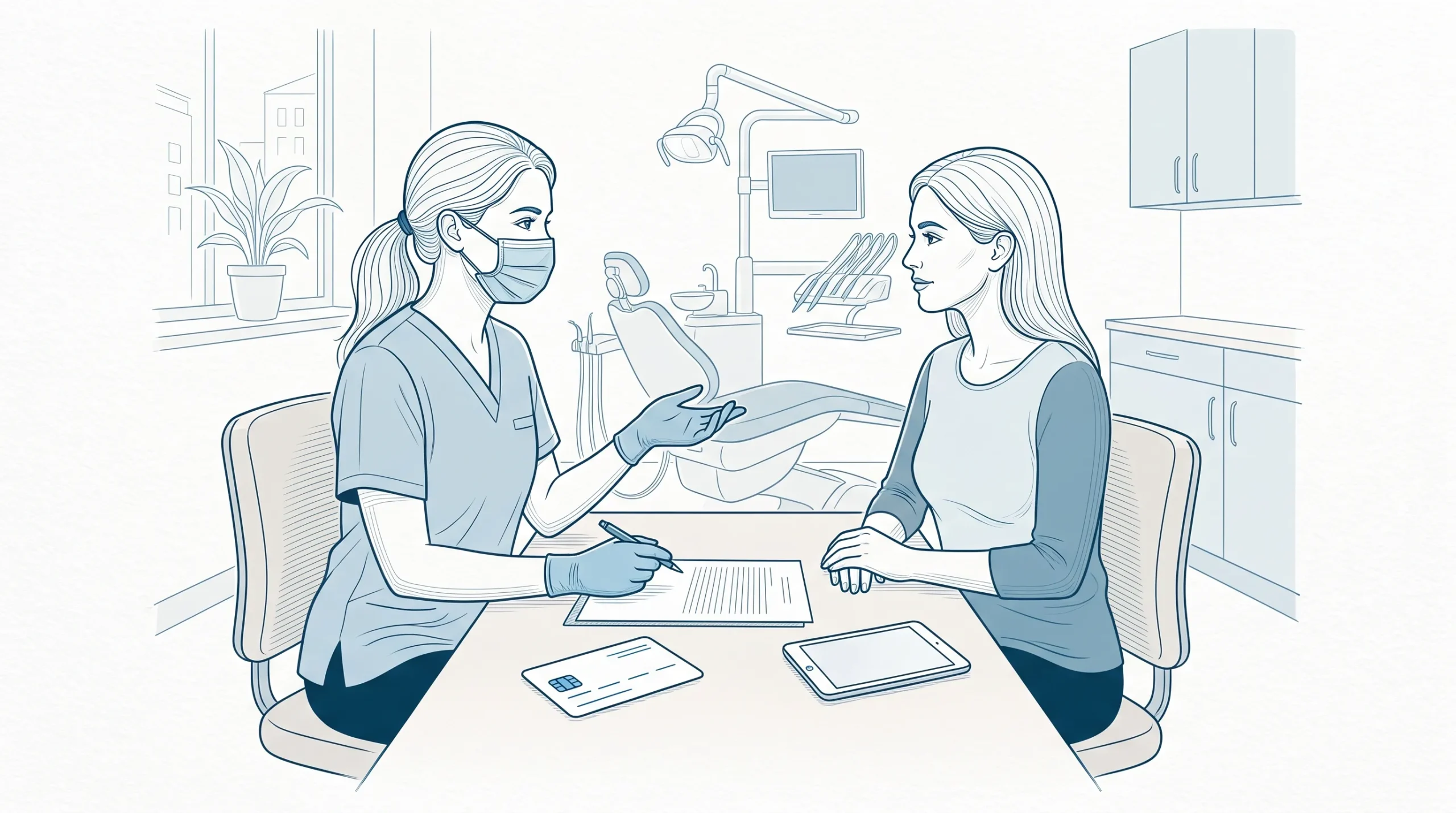
Bright Smiles sees patients at both the Brightwater and Currimundi locations on the Sunshine Coast. If you have private health dental cover, you can bring your health fund card or policy details to your appointment, and the team can provide relevant treatment information where available.
Before recommending treatment, your dentist will examine your teeth, gums and mouth, discuss your concerns and explain options that may be suitable. This may include the potential benefits, limitations, risks, costs and alternatives. Treatment experiences and outcomes vary between patients, so a personal assessment is needed before making clinical recommendations.
If treatment is proposed, you can ask for item numbers to check with your health fund. This can help you understand possible rebates before deciding whether to proceed.
Frequently asked questions
Does private health insurance cover all dental treatment? No. Extras policies vary and usually include limits, exclusions and waiting periods. Some services may receive a rebate, some may receive only a small benefit and others may not be covered at all.
Is dental covered under hospital cover? Routine dental treatment is usually claimed under extras cover, not hospital cover. Hospital cover may be relevant in specific hospital-based situations, but that is different from everyday dental appointments.
Can I claim for cosmetic dental treatment? It depends on your policy and the treatment reason. Procedures carried out mainly for cosmetic purposes may not be covered, or may receive limited benefits. Ask your fund about the exact item numbers before treatment.
What should I bring to a dental appointment if I have cover? Bring your health fund card if you have one, along with any policy information or previous quotes. If a treatment plan is recommended, you can use the item numbers to check rebates with your insurer.
Can Bright Smiles tell me exactly what my fund will pay? Your dental team can provide treatment details and item numbers, but your health fund decides the rebate under your policy. Contacting the fund directly is the safest way to confirm benefits, limits and waiting periods.
When to speak with a dentist
A dental examination can help identify what treatment, if any, may be appropriate for your situation. If you are unsure what your policy includes, you can also contact your health fund before or after your appointment to clarify rebates and limits.
To discuss your oral health concerns, you can book an appointment with the team at Bright Smiles at either the Brightwater or Currimundi location. Your dentist can assess your needs and explain the potential benefits, risks, costs and alternatives relevant to your circumstances.