

Dry mouth can affect your dental health because saliva does more than keep your mouth comfortable. It helps neutralise acids, wash away food particles and protect tooth surfaces. When saliva is reduced, tooth decay can develop more easily, even if you brush regularly.
An occasional dry mouth after exercise or during a stressful moment is different from dryness that keeps returning. A sticky mouth, difficulty eating dry foods or repeatedly waking for a drink is worth discussing with your dentist. Identifying the cause can help guide both relief for your symptoms and prevention for your teeth.
How dry mouth can affect your dental health
Saliva contains minerals that help repair early damage to tooth enamel, the hard outer surface of your teeth. It also lubricates the mouth and helps keep its natural balance of microorganisms under control.
The medical term for the feeling of dry mouth is xerostomia. This feeling does not always mean your saliva production is significantly reduced. A dentist can assess your symptoms alongside the condition of your mouth rather than relying on the sensation alone.
Increased risk of tooth decay
With less saliva, acids can remain in contact with teeth for longer. These acids may come from bacteria using sugars in food or from acidic drinks themselves. Over time, they can damage tooth surfaces.
Exposed root surfaces, which may occur when gums recede, are particularly vulnerable to decay. Existing fillings and crowns do not remove the need for prevention because decay can still develop in the surrounding tooth.
Protecting your dental health may therefore require more than your usual brushing routine if saliva flow is reduced. Your dentist can assess whether additional fluoride or changes to your daily habits would be appropriate.
Irritation, bad breath and oral infections
Dryness can leave the tongue, lips and lining of the mouth feeling sore or sticky. Food may be harder to chew and swallow, taste can change and dentures may rub more than usual.
Reduced saliva can also contribute to bad breath and increase susceptibility to oral thrush, an infection caused by an overgrowth of yeast. Thrush can cause redness, soreness or white patches, although these symptoms can have other causes.
Dry mouth does not automatically mean you have gum disease or an infection. Persistent discomfort, bleeding or unusual patches need an examination rather than a diagnosis based on appearance alone.
Common reasons your mouth may feel dry
Medicines are a common cause of dry mouth. Some antidepressants, antihistamines and medicines used for blood pressure or bladder conditions can reduce saliva or change how moist the mouth feels.
A medicine can affect your dental health even when it is necessary for managing another condition. Do not stop or change prescribed medicines yourself. Your doctor or pharmacist can review possible side effects and discuss whether an adjustment is appropriate.
Other possible contributors include:
- Dehydration: Illness, sweating or not drinking enough can cause temporary dryness.
- Mouth breathing: A blocked nose or breathing through your mouth during sleep can leave it feeling dry on waking.
- Health conditions: Diabetes and Sjögren’s disease, an autoimmune condition that can affect saliva and tear production, may contribute.
- Certain medical treatments: Radiation treatment to the head and neck can damage salivary glands, which produce saliva.
Smoking, alcohol and some recreational drugs can also contribute to dryness. Healthdirect’s guidance on dry mouth explains common causes and when to seek advice.
Tell your dentist about changes in your general health as well as your mouth. Our article on how teeth and overall health are connected explains why that information matters during dental care.
Practical ways to manage dryness and protect teeth
Use water for comfort, without relying on it alone
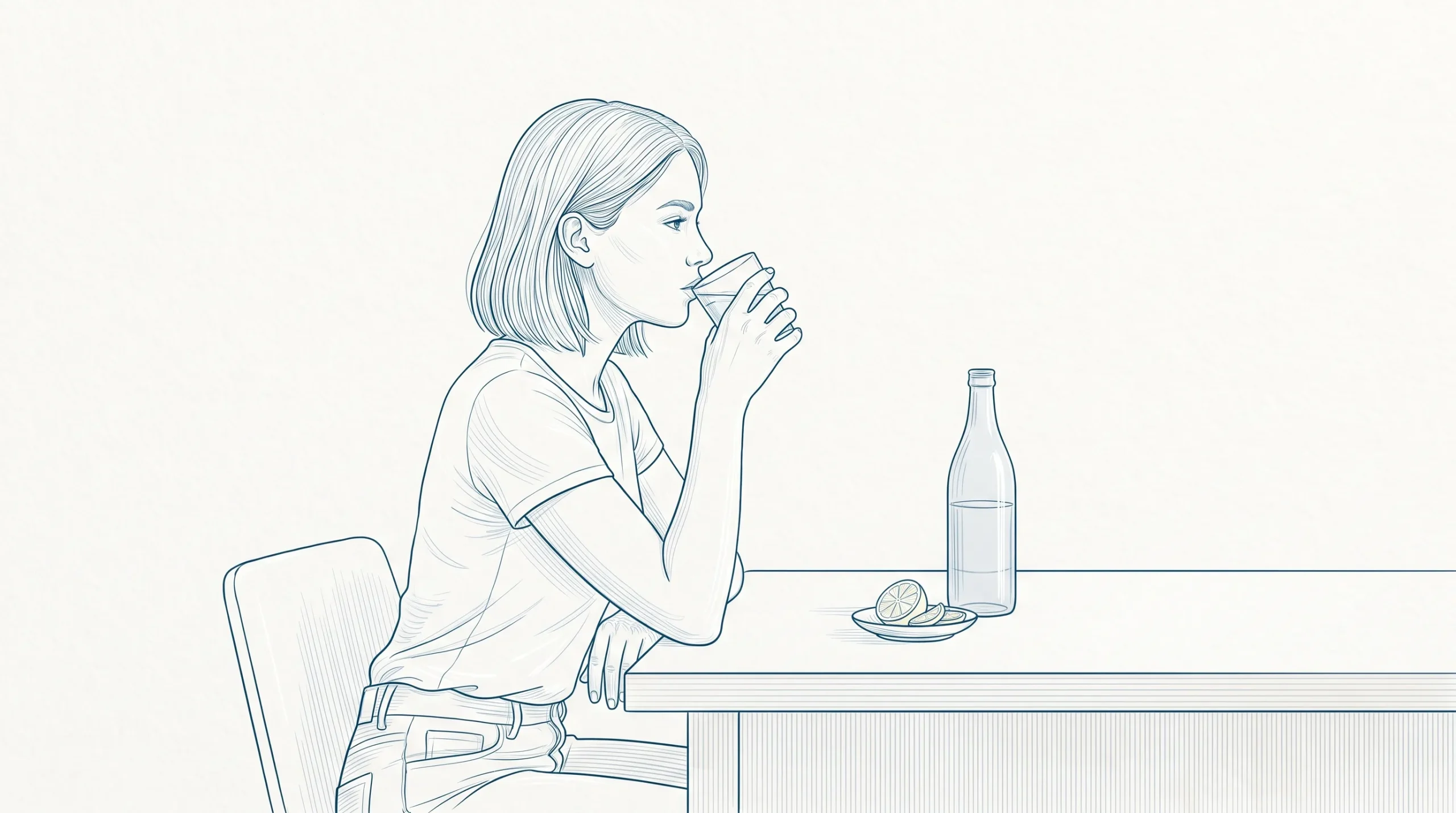
Small, regular sips of water may help your mouth feel more comfortable. Keeping water nearby at meals can also make dry foods easier to manage. If you have been advised to restrict fluids for a medical condition, follow your treating clinician’s advice.
Water does not replace all the protective functions of saliva, so persistent dryness still needs assessment.
Sugar-free chewing gum may stimulate saliva if your glands can still respond. It may not suit people with jaw discomfort or difficulty chewing. Sugar-free lozenges are another option, but avoid acidic varieties, including many sour sweets, which can expose teeth to acid even without sugar.
Pay attention to fluoride and frequent snacking
To support your dental health, brush twice daily with fluoride toothpaste and a soft toothbrush. Spit out the toothpaste rather than rinsing straight afterwards, and clean between your teeth daily using floss or a suitable interdental brush.
Your dentist may recommend a higher-strength fluoride product if your decay risk warrants it. These products are not needed by everyone and should be used as directed.
Try not to manage dryness by frequently sipping soft drink, juice or sweetened tea. Repeated sugar exposure gives mouth bacteria more opportunities to produce acids. Our explanation of what sugar does to your teeth covers why frequency matters, not just the amount consumed.
If your gums are sore, gentle cleaning is usually preferable to avoiding the area entirely. Ask your dentist to demonstrate a technique that suits your mouth.
Choose relief products according to your needs
Saliva substitutes, including sprays and gels, can provide temporary lubrication. They may be useful during the day or overnight, depending on the product and your symptoms. They do not necessarily restore saliva production or treat the underlying cause.
A dentist or pharmacist can help you choose an appropriate product. Follow its instructions, particularly if you use other oral treatments.
Alcohol-containing mouthwash can feel irritating in a dry mouth. If a rinse is recommended, ask whether an alcohol-free option is suitable. Mouthwash does not replace brushing or cleaning between teeth.
What a dental appointment may involve
An assessment of your dental health usually starts with questions about when the dryness began, whether it is constant and how it affects eating, sleeping or speaking. Bring a current list of prescribed medicines, over-the-counter products and supplements.
Your dentist may examine your teeth, gums, tongue and the lining of your mouth, looking for decay, irritation or infection. They may also assess saliva and the openings of the salivary glands. Dental X-rays may be recommended if they are clinically needed, rather than simply because you report dryness.
Depending on the findings, the next steps may include preventive care, treatment for an identified dental problem or advice to see your GP for further investigation.
Treatment depends on the cause. Changing a contributing medicine may sometimes help, but this requires discussion with the prescriber. Saliva-stimulating prescription medicines are only suitable in certain circumstances and can have side effects. Relief, suitability and treatment experiences vary between patients.
Keep prevention consistent when you are away
If you spend an extended period away from home, take your recommended oral-care products and arrange local follow-up if it is due. For patients staying in Sweden, Citykliniken in Linköping is one practice offering dental check-ups. Share your medication list and any existing care recommendations with whichever dentist you see.
The aim is continuity of necessary care, not extra appointments simply because you are travelling.
When to seek professional advice
Arrange a dental assessment if dryness keeps returning, interferes with meals or sleep, or occurs alongside sensitivity, soreness or denture discomfort. You do not need to wait for toothache to discuss changes in your dental health.
An ulcer or unusual patch that has not healed after two weeks should also be checked. Speak with your GP if dryness occurs with persistent dry eyes, unusual thirst or other new symptoms.
Seek prompt dental advice for significant tooth pain, swelling or suspected infection. Call 000 for breathing difficulty or swelling that makes you unable to swallow saliva. These are different from the mild difficulty eating dry foods that can accompany dry mouth.
Frequently asked questions
Can drinking more water cure dry mouth? Water may relieve discomfort and help if dehydration is the cause. It may not resolve dryness caused by medicines, medical conditions or damage to salivary glands. Persistent symptoms need assessment.
Why is my mouth dry when I wake up? Possible reasons include mouth breathing, nasal congestion, medicines and reduced saliva flow during sleep. If it happens regularly, tell your dentist or GP, particularly if you also snore or feel unusually tired during the day.
Can dry mouth cause cavities even if I brush well? Yes. Reduced saliva can increase decay risk despite good brushing. Your dentist can assess your dental health and explain whether extra preventive measures are suitable.
Do I need dental check-ups more often? Not necessarily. The appropriate interval depends on your symptoms, saliva flow, decay risk and other findings. Your dentist can recommend a schedule based on your circumstances rather than a fixed rule for everyone.
Discuss persistent dryness with Bright Smiles
Bright Smiles sees patients at both the Brightwater and Currimundi locations on the Sunshine Coast. To discuss persistent dryness or changes in your mouth, you can book an appointment with the team at either location. An examination can help identify contributing factors and clarify which preventive or treatment options may be appropriate.