

A confident smile can change the way you speak, laugh, pose for photos and meet new people. For many patients, the most exciting part of modern cosmetic dentistry is that a smile transformation does not always require major work. Sometimes a brighter shade, a smoother edge or a more balanced gum line is enough to make your smile feel like yours again.
Cosmetic dental procedures can improve the appearance of teeth that are stained, chipped, uneven, crowded, worn, misshapen or missing. The right option depends on your oral health, your goals, your budget, and how much change you want to see. A good cosmetic plan should also protect function, comfort and long-term tooth health, not just create a nice photo.
If you are considering cosmetic dentistry on the Sunshine Coast, this guide will help you understand the main options, what each treatment can achieve, and how to choose a pathway that feels safe and realistic.
What can cosmetic dental procedures improve?
Cosmetic dentistry focuses on the visible appearance of your smile, but it often overlaps with general and restorative dentistry. A cracked tooth may need strength as well as a better shape. A missing tooth may affect chewing as much as confidence. Crowded teeth may be a cosmetic concern, but they can also make cleaning more difficult.
Common concerns cosmetic dental procedures can help with include:
- Tooth discolouration from coffee, tea, red wine, ageing or past dental trauma
- Chips, small gaps, uneven edges or minor shape issues
- Teeth that look too short, too long, narrow or worn down
- Crowding, spacing, rotations or bite-related alignment concerns
- A gummy smile or uneven gum display
- Old dental work that no longer blends naturally with surrounding teeth
- Missing teeth or visible spaces after tooth loss
Before any cosmetic work begins, your dentist should check for active decay, gum disease, cracked teeth, infection, bite problems and sensitivity. Treating these first gives cosmetic work a healthier foundation and helps reduce the risk of discomfort or early failure.
Teeth whitening: a brighter smile with a conservative approach
Professional teeth whitening is one of the most requested cosmetic dental procedures because it can refresh your smile without changing tooth shape. It works best on natural tooth enamel that has become yellowed or stained over time.
Whitening may be suitable if your teeth are generally healthy but look dull, uneven in shade or darker than you would like. It is less effective on crowns, veneers, fillings and some internal stains, which is why a dental assessment is important before starting. The Australian Dental Association's oral health resource recommends getting advice from a dental professional, especially if you have sensitive teeth, gum concerns or existing restorations.
Patients often choose whitening before other cosmetic treatments because it helps establish the shade of their natural teeth. If you are planning bonding, crowns or veneers, your dentist may suggest whitening first so any new restorations can be colour-matched to your preferred shade.
The biggest advantage of whitening is that it is conservative. It does not reshape or cover the tooth. The main trade-off is maintenance, because staining habits and natural ageing can gradually darken teeth again.
Composite bonding: small changes that can make a big difference
Composite bonding uses tooth-coloured resin to reshape, repair or build up areas of a tooth. It can be a great option for minor chips, small gaps, uneven edges and localised shape concerns.
Because bonding is usually more conservative than porcelain restorations, it can suit patients who want a noticeable improvement without committing to a larger smile makeover. It can also be useful when only one or two teeth need refinement.
Bonding is not as stain-resistant or strong as porcelain, so it may need polishing, repair or replacement over time. If you clench, grind, bite your nails or chew hard objects, your dentist may talk with you about protecting the bonded teeth with a night guard or choosing a stronger restoration.
Porcelain veneers: changing shape, colour and proportions
Porcelain veneers are thin custom-made facings that cover the front surface of selected teeth. They can change several features at once, including colour, shape, size, minor spacing and symmetry.
Veneers are often chosen when whitening and bonding cannot achieve the desired level of transformation. For example, they may be considered for teeth with deeper discolouration, worn edges, irregular shape or multiple visible imperfections across the smile line.
A well-planned veneer case should look natural in your face, not just bright and uniform. Your dentist will consider tooth proportions, lip shape, gum display, facial features and bite. Some cases require little tooth preparation, while others need more reshaping to create space for the porcelain. This is why veneers should be planned carefully and discussed in detail before treatment begins.
Crowns and onlays: cosmetic improvement with added strength
Not every cosmetic concern can be solved with whitening or veneers. If a tooth is heavily filled, cracked, weakened, root canal treated or badly worn, a crown or onlay may be more appropriate.
A dental crown covers more of the tooth structure and can improve strength, shape and appearance. An onlay covers part of the tooth and may be used when a full crown is not required. These treatments sit in the overlap between restorative and cosmetic dentistry because they aim to protect the tooth while also improving how it looks.
If you are curious about more complex tooth restoration, Bright Smiles Dentistry has a helpful explanation of what a prosthodontist does and how this area of dentistry relates to crowns, bridges and other prosthetic work.
Orthodontics and aligners: transforming the smile by moving teeth
Some smile concerns are best treated by moving teeth rather than covering them. Orthodontic treatment, including braces or clear aligners, can improve crowding, spacing, rotations and bite alignment.
This can be especially valuable when teeth are healthy but positioned in a way that affects appearance or cleaning. Aligning the teeth may reduce the need for more invasive cosmetic work later. In some cases, orthodontics is combined with whitening or bonding for a polished result after the teeth have moved into better positions.
Orthodontic treatment takes longer than many cosmetic procedures, but it can create changes that feel more natural because your own teeth are repositioned. Suitability depends on the complexity of movement required, gum health, bone support and your ability to wear appliances as instructed.
Gum contouring: creating balance around the teeth
Sometimes the issue is not the teeth themselves, but how much gum tissue shows when you smile. Gum contouring, also called gum reshaping or gum recontouring, may help when the gum line looks uneven or when teeth appear short because extra gum tissue is covering them.
A gummy smile can have several causes, including tooth size, jaw position, lip movement and gum levels. Because the cause matters, treatment is not the same for every patient. If this is one of your main concerns, Bright Smiles Dentistry's guide to fixing a gummy smile explains why assessment is so important.
Gum contouring may be a stand-alone cosmetic procedure, or it may be part of a broader smile makeover involving veneers, crowns or orthodontics. The goal is proportion, not simply removing gum tissue.
Replacing missing teeth: completing the smile and restoring function
Missing teeth can have a major impact on smile confidence, chewing, speech and facial support. Cosmetic options for replacing missing teeth may include bridges, dentures or dental implants, depending on your oral health and circumstances.
A replacement tooth should be designed to blend with your smile, but it also needs to work properly with your bite. Your dentist will consider the condition of neighbouring teeth, gum and bone health, space, function and maintenance requirements.
For many patients, replacing a visible missing tooth is one of the most transformative changes they can make. It can also help prevent nearby teeth from shifting into the gap, although your individual risks need to be assessed clinically.
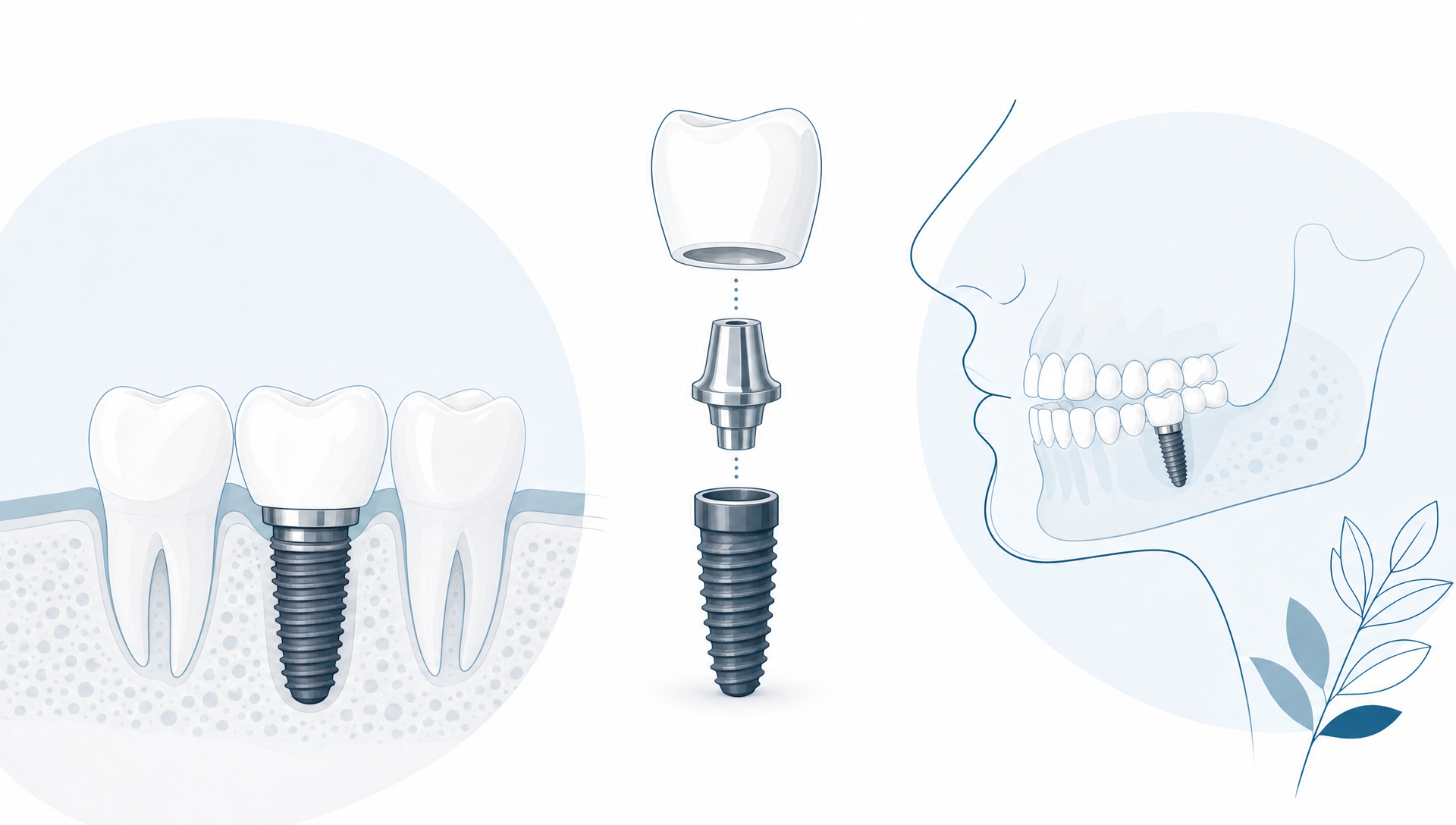
Cosmetic dental procedures compared
The best treatment is not always the most dramatic one. The right choice depends on what needs to change, how much tooth structure is involved, and whether the concern is colour, shape, position, gum balance or missing teeth.
| Procedure | Best suited to | Main smile change | Important consideration |
|---|---|---|---|
| Teeth whitening | Healthy natural teeth with staining or dullness | Brighter tooth shade | Does not whiten fillings, crowns or veneers |
| Composite bonding | Small chips, gaps or uneven edges | Improved shape and symmetry | May stain or chip over time |
| Porcelain veneers | Multiple visible colour, shape or proportion concerns | Bigger change to the smile line | Requires careful planning and long-term maintenance |
| Crowns or onlays | Weakened, cracked, heavily filled or worn teeth | Strength plus improved appearance | More restorative than purely cosmetic |
| Braces or clear aligners | Crowding, spacing or bite-related concerns | Straighter tooth position | Treatment time varies by complexity |
| Gum contouring | Uneven gum line or excess gum display | Better tooth and gum proportions | Cause of gum display must be diagnosed first |
| Bridges, dentures or implants | Missing teeth | Completed smile and improved function | Suitability depends on oral health, bone, gum and bite factors |
How a dentist plans a smile transformation
A strong cosmetic plan starts with a conversation, not a procedure. Your dentist should ask what you like and dislike about your smile, whether you want a subtle refresh or a more noticeable change, and what kind of maintenance you are comfortable with.
A cosmetic consultation may include photographs, shade assessment, gum assessment, bite evaluation, X-rays when needed and a discussion about your dental history. Your dentist may also check for tooth wear, grinding habits, sensitivity and signs of gum disease.
From there, the plan may involve one treatment or a staged combination. For example, a patient might start with a dental clean and whitening, then refine a chipped edge with bonding. Another patient might need orthodontics before veneers so the final result can be more conservative.
Good planning also includes discussing limitations. Cosmetic dentistry can create beautiful improvements, but every mouth is different. Teeth have biological limits, and long-term success depends on daily care, gum health, diet, habits and regular dental reviews.
Subtle refresh or full smile makeover?
Not every patient wants a dramatic transformation. Many people simply want to look fresher, healthier or more confident without their smile looking obviously treated.
A subtle refresh may involve whitening, polishing, replacing an old visible filling or bonding a small chip. A more comprehensive smile makeover may combine whitening, gum contouring, orthodontics, veneers, crowns or missing tooth replacement.
The best cosmetic dental procedures should suit your personality and facial features. Very bright, perfectly uniform teeth are not the only version of an attractive smile. Natural translucency, slight individuality and balanced proportions often create a result that looks more believable and timeless.
If anxiety has stopped you from exploring cosmetic treatment, you are not alone. Many people delay dental care because they feel embarrassed, worried about discomfort or unsure what the dentist will say. Bright Smiles Dentistry shares practical advice on dealing with dental anxiety, which can help you feel more prepared before booking a consultation.
How to maintain cosmetic dentistry results
Cosmetic treatment is an investment in your smile, so maintenance matters. Even the most beautiful result can be affected by staining, grinding, gum inflammation or poor cleaning habits.
Daily brushing with fluoride toothpaste, flossing or interdental cleaning, regular dental check-ups and professional cleans can help protect your results. If you have veneers, crowns, bonding or implants, your dentist may recommend specific cleaning tools or protective appliances.
Diet and lifestyle also matter. Frequent coffee, tea, red wine and highly coloured foods can contribute to staining. Smoking can affect tooth colour and gum health. Chewing ice, opening packaging with your teeth or biting hard objects can chip natural teeth and dental restorations.
The aim is not perfection every day. It is consistency. A few reliable habits can make cosmetic dental procedures last longer and keep your smile healthier.
Questions to ask before choosing cosmetic dentistry
Before starting treatment, take time to understand your options. A good dentist will welcome questions and explain the benefits, risks and alternatives in plain language.
Useful questions include:
- What is causing the concern I want to change?
- Are my teeth and gums healthy enough for cosmetic treatment?
- Which options are conservative, and which are more involved?
- How long is the result expected to last with good care?
- Will the procedure affect sensitivity, bite or future dental work?
- What maintenance will I need at home and at dental visits?
- Can treatment be staged over time?
These questions help shift the conversation from “What looks best right now?” to “What will look good, feel comfortable and protect my smile over time?”
Frequently Asked Questions
What are the most common cosmetic dental procedures? Teeth whitening, composite bonding, veneers, crowns, gum contouring, braces, clear aligners and missing tooth replacement are among the most common procedures used to improve smile appearance.
Are cosmetic dental procedures painful? Many cosmetic treatments are comfortable, especially conservative options like whitening or bonding. More involved procedures may require local anaesthetic. If you are nervous or sensitive, tell your dentist early so they can help you feel more at ease.
How long do cosmetic dentistry results last? Longevity depends on the procedure, your oral health and how you care for your teeth. Whitening usually needs maintenance, bonding may need repairs over time, and porcelain or ceramic restorations can last for many years with good care.
Can I have cosmetic dentistry if I have sensitive teeth? Possibly, but sensitivity should be assessed first. Your dentist may recommend treating the cause of sensitivity before whitening, veneers or other cosmetic work.
Do I need straight teeth before veneers? Not always. Minor alignment concerns may sometimes be managed with veneers, but moderate or complex crowding may be better treated with orthodontics first. This can help preserve tooth structure and improve the final result.
Is cosmetic dentistry only about appearance? No. While the goal is to improve the smile, many treatments also support strength, function, cleaning access or tooth replacement. A well-planned cosmetic result should look good and work well.
Ready to explore cosmetic dental procedures on the Sunshine Coast?
If you are thinking about whitening, bonding, veneers, orthodontics or a full smile makeover, the best first step is a personalised consultation. Bright Smiles Dentistry offers family-focused dental care from clinics in Mountain Creek and Currimundi, with cosmetic, general, restorative, orthodontic and emergency dental services available.
You can book an appointment with Bright Smiles Dentistry to discuss your goals, understand your options and plan a smile transformation that suits your health, lifestyle and confidence.