

If you are wondering about the difference between dentistry and dental hygiene, the short answer is this: dentistry is the broader area of oral healthcare, while dental hygiene focuses mainly on prevention, professional cleaning and supporting healthy daily habits. Both are part of good dental care, and both can play a role in keeping your teeth, gums and mouth as healthy as possible over time.
At Bright Smiles, patients sometimes ask whether they need to see a dentist, book a hygiene appointment or do both. The answer depends on symptoms, oral health history, gum condition, existing dental work, risk factors and what you want to discuss. This guide explains how the roles differ, what each appointment may involve and when a clinical assessment is appropriate.
The difference between dentistry and dental hygiene in simple terms
Dentistry and dental hygiene overlap, but they are not the same type of care. A helpful way to understand them is to separate diagnosis and treatment planning from prevention and maintenance. The dentist usually takes responsibility for diagnosing dental disease, explaining treatment options and carrying out procedures such as fillings, crowns, extractions and restorative or cosmetic treatment. Dental hygiene is more focused on cleaning, gum support, prevention and coaching patients on home care.
The difference between dentistry and dental hygiene matters because booking the right type of appointment can help your dental team use the visit well. If you have tooth pain, a broken tooth, swelling or a concern about a filling, a dentist needs to assess it. If your main concern is plaque build-up, bleeding gums, staining or difficulty cleaning around braces or dental work, a hygiene appointment may be recommended.
| Area of care | Dentistry | Dental hygiene |
|---|---|---|
| Main focus | Assessment, diagnosis, treatment planning and dental procedures | Prevention, professional cleaning, gum health support and oral hygiene advice |
| Common reasons to attend | Toothache, broken teeth, decay, worn teeth, cosmetic concerns, missing teeth or emergency care | Plaque and tartar build-up, gum bleeding, staining, bad breath concerns or difficulty cleaning |
| Type of care | May include fillings, crowns, extractions, dentures, whitening assessment, orthodontic discussions and other treatments | May include scaling, polishing, gum measurements, oral hygiene instruction and advice on toothbrushes or interdental cleaning |
| Who may provide it | A dentist, or dental specialist where required | A dental hygienist, oral health therapist or dentist, depending on scope and the practice setting |
What dentistry covers during oral healthcare
Dentistry is the field of healthcare concerned with the teeth, gums, jaws, mouth and related structures. In Australia, dental practitioners are registered through the Dental Board of Australia, which sets professional standards for registered dental practitioners.
A dentist may examine your teeth, gums and soft tissues, assess x-rays when clinically appropriate, diagnose dental conditions and explain possible treatment options. This can include care for tooth decay, cracked teeth, gum disease, dental infections, bite concerns, worn teeth, missing teeth and cosmetic concerns.
The difference between dentistry and dental hygiene becomes clearer when a concern needs diagnosis. A professional clean can remove plaque and tartar, but it does not replace a dental examination when a tooth may need a filling, crown, extraction, root canal treatment or another form of care. A dentist can assess the underlying cause and explain the potential benefits, risks and alternatives of suitable options.
All dental procedures carry potential risks and benefits. Suitability depends on your oral health, medical history, anatomy, treatment goals and individual circumstances, so a clinical assessment is needed before treatment is recommended.
What dental hygiene covers
Dental hygiene focuses on preventing oral disease where possible and helping patients maintain healthier teeth and gums between dental visits. A hygiene appointment often includes removal of plaque and calculus, commonly called tartar, from areas that are difficult to clean at home. It may also include polishing, gum measurements and advice on brushing or cleaning between teeth.
The difference between dentistry and dental hygiene is also reflected in the type of conversation you may have during the appointment. A hygiene visit often looks closely at your daily routine, including how you brush, whether you clean between your teeth, how your gums respond and whether particular areas need extra attention.
Dental hygiene can be especially useful for people with bleeding gums, tartar build-up, staining, a history of gum problems or fixed dental appliances that make cleaning harder. Bright Smiles has a separate guide on when a dental hygiene service may be recommended if you would like more detail about common reasons for this type of appointment.
A hygiene appointment is not only about cleaning. It can also help identify changes that may need review by a dentist, such as gum pocketing, sensitivity, unusual bleeding or areas where decay risk may be higher.
Which appointment should you book first?
If you are unsure, a dental examination is often the most appropriate starting point because it allows a dentist to assess the cause of your concern and advise whether hygiene care, dental treatment or monitoring may be suitable. This is particularly important if you have pain, swelling, trauma, a loose tooth, a broken filling or symptoms that are new or worsening.
The difference between dentistry and dental hygiene is useful here because symptoms usually guide the first appointment. Hygiene care is usually preventive or maintenance-focused, while dentistry is needed when a diagnosis, treatment plan or procedure may be required.
| Your concern | Appointment that may be appropriate |
|---|---|
| Toothache, swelling or a broken tooth | Dental examination, and emergency dental care if symptoms are urgent |
| Bleeding gums or tartar build-up | Dental examination and a hygiene appointment may both be recommended |
| Surface staining or rough deposits | Hygiene appointment, with a dentist assessment if other concerns are present |
| Interest in whitening, crowns, veneers or dentures | Dental consultation to assess suitability and discuss options |
| No symptoms, but due for routine care | Dental examination, hygiene care or both, depending on your oral health needs |
If you have significant facial swelling, fever, difficulty swallowing, difficulty breathing or uncontrolled bleeding, seek urgent medical or dental advice. For life-threatening symptoms, call 000.
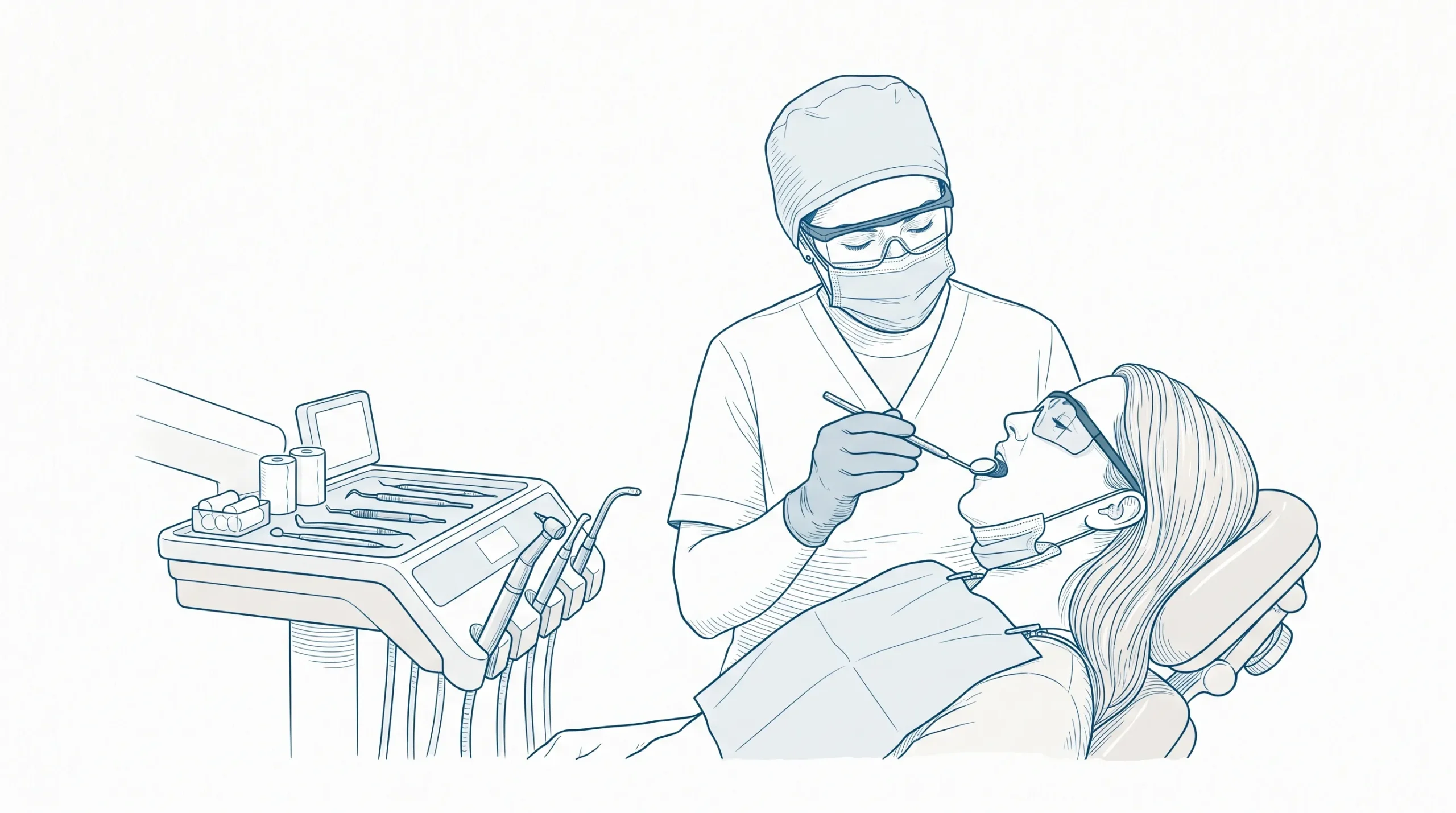
How dentists and dental hygiene providers work together
In many practices, dentistry and dental hygiene are connected rather than separate. A dentist may complete an examination and recommend hygiene care as part of a broader oral health plan. A dental hygienist or oral health therapist may provide preventive cleaning, monitor gum health and raise concerns that should be reviewed by a dentist.
The difference between dentistry and dental hygiene does not mean one is more important than the other. They support different parts of oral healthcare. Dentistry helps identify and manage disease, damage or treatment needs. Dental hygiene helps reduce plaque-related risks, supports gum health and gives practical guidance for home care.
This team approach is one reason routine dental care can be more than a quick look at the teeth. For example, a dentist may assess whether sensitivity is related to enamel wear, decay, gum recession or another cause. A hygiene appointment may then focus on cleaning techniques, plaque control and ways to reduce further irritation, depending on the findings.
If you want to understand how regular visits and daily habits fit together, Bright Smiles also explains how oral health and dental care are connected.
What a dental cleaning can and cannot do
Professional dental cleaning can remove plaque and tartar that brushing and flossing cannot remove once it has hardened. It may also reduce some surface staining and leave the teeth feeling smoother. However, it cannot change the natural colour of the teeth in the same way whitening treatment aims to, and it cannot repair decay, cracks, worn fillings or structural damage.
This is another practical difference between dentistry and dental hygiene. Hygiene care may support prevention and maintenance, but it does not replace dental treatment when a tooth has a cavity, fracture, infection or restoration that needs attention. If something is found during cleaning, the next step may be a dentist review.
For more detail, Bright Smiles has a patient guide on what dental cleaning can and cannot do for your teeth.
Daily oral hygiene still matters between visits
Even with regular dental visits, daily care at home has a major role in oral health. Most patients are advised to brush twice a day with fluoride toothpaste and clean between the teeth with floss or interdental brushes, unless their dental professional recommends something different for their situation. The Australian Dental Association provides patient-friendly oral health information through Teeth.org.au, including guidance on preventive care.
Your dental team may tailor advice depending on your gum health, dexterity, braces, crowns, implants, dentures, dry mouth, medical conditions or diet. Some people do well with a manual toothbrush, while others find an electric toothbrush easier to use effectively. The right choice depends on technique, comfort and consistency.
The difference between dentistry and dental hygiene can help you understand where home care fits. Dentistry addresses assessment and treatment needs, dental hygiene supports prevention and maintenance, and your daily routine links the two.
What to expect at Bright Smiles
Bright Smiles sees patients at both the Brightwater and Currimundi locations on the Sunshine Coast. Depending on your reason for booking, your appointment may involve a dental examination, discussion of symptoms or concerns, x-rays if clinically indicated, hygiene care or a treatment discussion.
For children, adults and families, the aim is to make the visit clear and manageable. If you feel anxious about dental care, let the team know when arranging your appointment or when you arrive. This helps the dental team understand your concerns and explain what is happening before proceeding.
If a hygiene appointment is recommended, your dental team can explain why it may be useful, what it involves and how often it may be appropriate for your oral health. Some people need hygiene care more often than others, particularly where gum disease risk, tartar build-up or cleaning challenges are present. Others may only need routine maintenance at intervals recommended after assessment.
Frequently Asked Questions
Is dental hygiene the same as dentistry? No. Dental hygiene is part of oral healthcare, but dentistry is broader. Dentistry includes diagnosis, treatment planning and dental procedures, while dental hygiene focuses mainly on prevention, cleaning, gum health support and home care advice.
Can a dental hygienist find cavities? A dental hygienist may notice areas of concern during an appointment, but a dentist is generally responsible for diagnosing decay and recommending treatment. If something needs assessment, you may be referred to the dentist for review.
Do I need a dentist appointment before a dental hygiene appointment? It depends on your symptoms, oral health history and the practice process. If you have pain, swelling, a broken tooth or a specific dental concern, a dentist appointment is usually the right starting point. If you are due for preventive care, hygiene care may be appropriate as part of your routine dental visit.
How often should I have a dental clean? There is no single schedule that suits everyone. Your dentist or hygiene provider can recommend an interval based on your gum health, plaque and tartar build-up, medical history, home care and risk factors.
Why does the difference between dentistry and dental hygiene matter for patients? Understanding the difference can help you book the most suitable type of appointment and know what to expect. It also makes it easier to see how dental examinations, professional cleaning and daily home care work together.
Arranging the right type of dental appointment
If you are not sure whether you need a dentist, a hygiene appointment or both, a dental examination can help determine the cause of your concern and which options may be appropriate. Your dentist can assess your oral health, explain findings in plain language and discuss potential benefits, risks and alternatives before any treatment is planned.
To discuss your concerns, you can book an appointment with the team at Bright Smiles at either the Brightwater or Currimundi location.