

If you are searching for a Medicare dentist for your child, you are probably trying to work out whether Medicare can help with the cost of a check-up, filling, toothache visit or other basic dental care. In Australia, Medicare does not usually cover routine dental treatment for everyone, but eligible children may be able to access benefits through the Child Dental Benefits Schedule, often called the CDBS.
For many families, the CDBS can make children’s dental care more manageable. It is not the same as unlimited free dental care, and it does not cover every type of treatment. The key is knowing when it may apply, what it can be used for and what to ask before your child’s appointment.
When Medicare may help with children’s dental care
Medicare may help with children’s dental care through the Child Dental Benefits Schedule. This Australian Government program provides eligible children with access to benefits for a range of basic dental services.
According to Services Australia’s Child Dental Benefits Schedule information, a child may be eligible if they are aged 0 to 17 for at least one day of the calendar year, are eligible for Medicare and the child or their parent, carer or guardian receives an eligible government payment such as Family Tax Benefit Part A.
Eligibility can change from year to year, so it is worth checking before booking. Families are usually notified by Services Australia if a child is eligible, but you can also check through your Medicare online account, the Express Plus Medicare app or by contacting Services Australia.
The CDBS has a capped benefit amount that applies over a set period. If your child has already used some of their benefits elsewhere, the remaining balance may affect what can be claimed. Your dental practice can usually help you understand how this applies to the treatment being planned, but Medicare eligibility and balances should be confirmed through official Medicare channels.
What a Medicare dentist means in everyday terms
A “Medicare dentist” is not a separate type of dentist or a special Medicare-only clinic. Most families use the term to mean a dental practice that can provide treatment under the Child Dental Benefits Schedule for eligible children.
This usually involves the dental team checking whether a planned service is covered, explaining any expected costs and processing a Medicare claim where appropriate. In some cases, eligible children’s treatment may be bulk billed, which means the dentist accepts the Medicare benefit as payment for the covered service and the family does not pay an out-of-pocket fee for that item.
Bulk billing depends on eligibility, the type of treatment required and whether enough CDBS balance remains. It is always sensible to ask before treatment starts, rather than assuming everything will be covered.
Bright Smiles provides children’s dental care and supports bulk billing options for eligible children under Medicare’s child dental benefits, where the treatment is covered and the child meets the relevant criteria.
Common situations where Medicare may help
The CDBS is designed to support basic dental care for eligible children. It may be relevant for preventive visits, treating decay and managing certain dental problems, depending on the clinical situation.
| Situation | Medicare may help if | What to check before treatment |
|---|---|---|
| Routine check-up | Your child is eligible for CDBS and the appointment includes covered services | Whether the examination and any cleaning are covered by your child’s remaining balance |
| Tooth decay or a cavity | A filling or related covered service is clinically appropriate | Whether the full filling cost is covered or if any gap may apply |
| Toothache | The dentist recommends a covered service, such as an examination, x-ray, filling or extraction | Whether the cause of pain requires treatment outside CDBS coverage |
| Fissure sealants | Your child is eligible and the dentist recommends sealants to protect suitable teeth | Whether the teeth and treatment meet clinical and benefit requirements |
| Orthodontic concerns | Medicare usually does not cover orthodontic treatment under CDBS | Ask whether assessment, monitoring or referral is more appropriate |
| Cosmetic treatment | CDBS does not cover treatment done for cosmetic reasons alone | Ask about private fees and whether treatment is appropriate for your child’s age and oral health |
A dental examination is needed before a dentist can recommend treatment. Tooth pain, swelling, trauma or a broken tooth should be assessed promptly, particularly if your child is unwell, has facial swelling or has difficulty eating, sleeping or opening their mouth.
What children’s dental treatments may be covered
The CDBS can cover several common types of basic dental care for eligible children. These may include examinations, x-rays, cleaning, fissure sealing, fillings, root canal treatment and extractions.
Not every service is suitable or necessary for every child. For example, an x-ray may be recommended if the dentist needs more information about decay, infection, tooth development or an injury, but it is not required at every visit. Similarly, a filling may be appropriate for one child’s cavity, while another child may need monitoring, preventive advice or a different treatment option.
For a more detailed breakdown, Bright Smiles has a separate guide on what Medicare dental benefits cover for eligible children, including examples of included and excluded services.
What Medicare will not usually cover for children’s dentistry
The Child Dental Benefits Schedule is limited to basic dental services. It does not usually cover orthodontic treatment, cosmetic dental treatment or dental services provided in hospital.
This matters because some concerns that begin in childhood, such as crowding, bite changes or appearance-related questions, may not be funded by Medicare under the CDBS. A dentist can still examine your child and explain whether monitoring, preventive care or referral may be appropriate, but any treatment outside the CDBS needs to be discussed separately.
Cosmetic procedures are also different from children’s Medicare dental benefits. For example, whitening, veneers and other appearance-focused treatments are generally considered private dental services and may not be suitable for children or teenagers depending on their age, tooth development and oral health. If adults in the family are researching how private cosmetic care is usually presented, resources from providers such as private cosmetic treatment pathways can be useful for comparison, but this is separate from Medicare-funded children’s dental care.
A dentist should explain the potential benefits, limitations, risks and alternatives before any treatment is started. Suitability depends on your child’s oral health, symptoms, development, medical history and individual circumstances.
How bulk billing may work for eligible children
Bulk billing under the CDBS means the dentist bills Medicare directly for a covered service, rather than asking you to pay upfront for that item. If the treatment is fully covered and your child has enough remaining benefit balance, there may be no out-of-pocket cost for that specific service.
There are a few important limits to understand:
- Bulk billing only applies to services covered by the CDBS.
- Your child must be eligible at the time the service is provided.
- Your child must have enough remaining CDBS balance.
- Any treatment outside the schedule, or above the available benefit, may involve a private fee.
Before treatment, the dental team should explain what is proposed and whether the item can be claimed. If there may be a cost, you should be told before giving consent.
Bright Smiles has more information on bulk billing dentist options for eligible children, including what families may want to ask before an appointment.
What to expect at your child’s appointment
A children’s dental appointment usually starts with a conversation about your child’s dental history, brushing habits, diet, symptoms and any concerns you have noticed at home. This is particularly helpful if your child has pain, avoids chewing on one side, wakes at night, has bleeding gums or has had a knock to a tooth.
The dentist will examine your child’s teeth, gums and mouth. Depending on your child’s age and the reason for the visit, they may also check how the teeth are developing, whether there are early signs of decay and whether the bite is changing as expected.
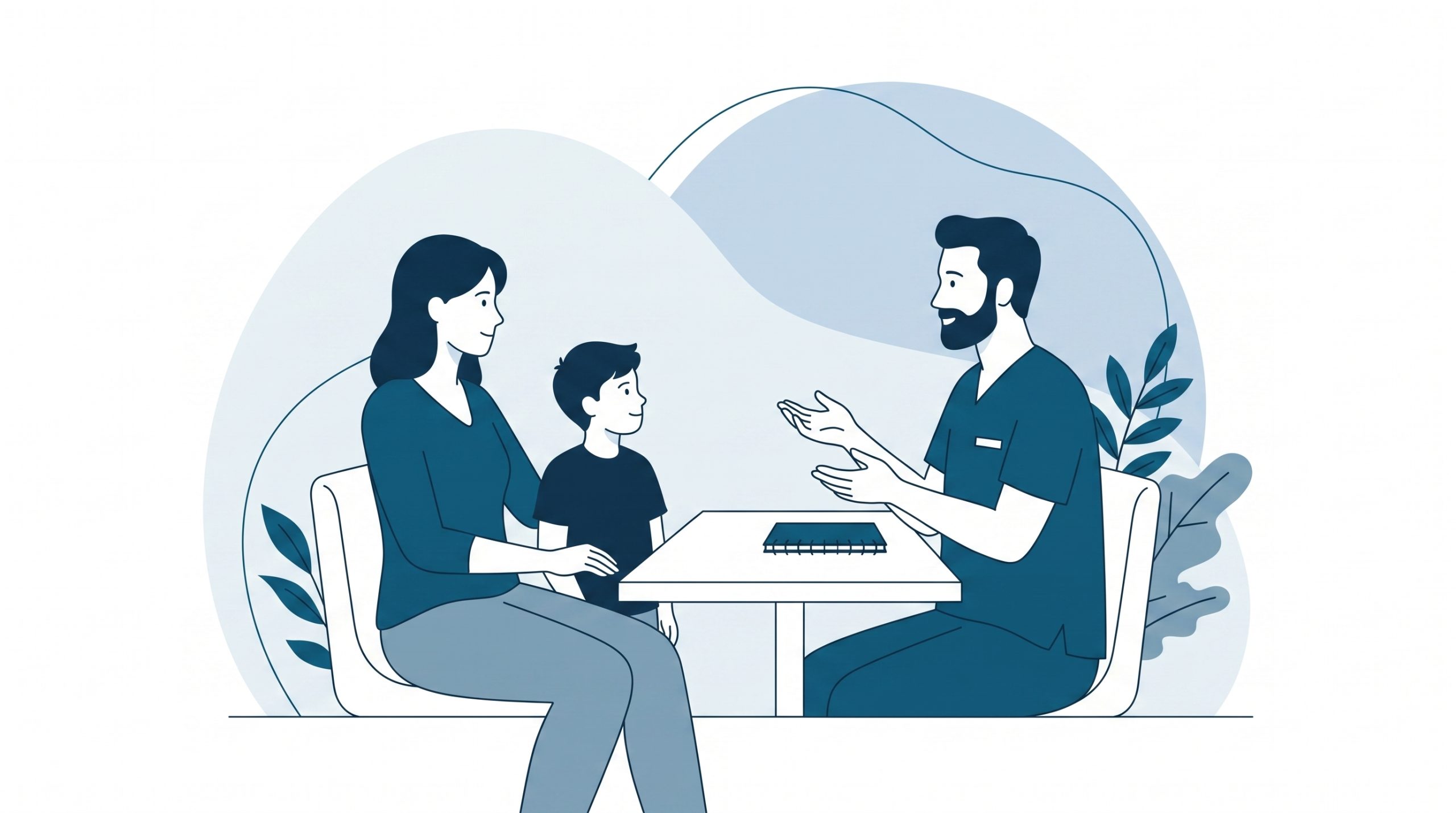
If your child is eligible for CDBS, the dental team can discuss which services may be claimable. If treatment is recommended, they should explain why it is being considered, what it involves, any reasonable alternatives and whether there are likely to be costs.
For younger or nervous children, a gentle first visit can also help them become familiar with the dental setting. Not every appointment needs to involve treatment. Sometimes the most useful outcome is a clear plan, home care advice and knowing when to review the teeth again.
How to check CDBS eligibility before booking
Before booking a children’s dental appointment under Medicare, it can be helpful to confirm a few details. This reduces confusion and gives the dental team the right information to discuss your child’s options.
You may wish to check:
- Whether your child is eligible for the Child Dental Benefits Schedule this calendar year.
- Whether your child has already used any of their benefit cap.
- Whether you have your child’s Medicare card details available.
- Whether the appointment is for a routine check-up, a specific symptom or a dental injury.
- Whether your child has any medical conditions, allergies or medications the dentist should know about.
If you are unsure whether your child is eligible, Services Australia is the most reliable source for confirming eligibility and balances. A dental practice can explain how claiming may work for a proposed service, but it cannot override Medicare eligibility rules.
What if your child is not eligible?
If your child is not eligible for CDBS, they can still receive dental care privately. The dentist can examine your child, explain any findings and discuss options, including the expected costs before treatment begins.
Some families may use private health insurance extras cover, depending on their policy. Others may choose to stage non-urgent treatment where clinically appropriate. Bright Smiles also offers flexible payment options, which may be discussed with the team if your child needs care that is not covered by Medicare.
A child not being eligible for CDBS does not mean dental care should be delayed if they have pain, swelling, trauma or signs of infection. In those cases, it is best to arrange a dental assessment so the cause can be investigated and appropriate options explained.
Supporting your child’s dental health at home
Medicare benefits can help eligible families access basic dental services, but day-to-day habits remain central to children’s oral health. Regular brushing with fluoride toothpaste, limiting frequent sugary snacks and drinks, drinking tap water where available and attending dental checks when recommended can all support healthier teeth and gums.
The right routine depends on your child’s age, coordination and risk of decay. Young children usually need an adult to help with brushing, and older children may still need reminders and supervision. If your family schedule is busy, Bright Smiles has practical suggestions in its guide to healthy dental habits for busy families.
Frequently asked questions
Does Medicare cover children’s dental care in Australia? Medicare may help eligible children through the Child Dental Benefits Schedule. It can cover a range of basic dental services, but it does not cover every treatment and a benefit cap applies.
Is a Medicare dentist the same as a bulk billing dentist? Not exactly. A Medicare dentist is usually a general way of describing a dental practice that accepts CDBS claims. Bulk billing means the practice bills Medicare directly for a covered service, where the child is eligible and enough balance remains.
Can Medicare help with children’s braces? Orthodontic treatment, including braces, is not usually covered by the Child Dental Benefits Schedule. A dentist can assess your child’s teeth and bite, then discuss whether monitoring or referral may be appropriate.
Can CDBS be used for a child’s toothache? It may help if the child is eligible and the recommended treatment is covered, such as an examination, x-ray, filling or extraction. The dentist will need to assess the cause of the toothache before discussing suitable options.
How do I know how much CDBS balance my child has left? You can check through your Medicare online account, the Express Plus Medicare app or by contacting Services Australia. If your child has used benefits at another dental practice, the remaining balance may be lower than the full cap.
What happens if treatment costs more than the Medicare benefit? The dental team should explain any expected out-of-pocket costs before treatment begins. You can ask for a clear estimate and discuss whether other clinically appropriate options are available.
Discuss children’s Medicare dental benefits with Bright Smiles
If your child may be eligible for Medicare dental benefits, a dental examination can help determine what care is appropriate and whether the proposed services can be claimed under the CDBS.
To discuss your child’s dental needs, you can book an appointment with Bright Smiles at either the Brightwater or Currimundi location. The team can explain what may be covered, what may not be covered and what options are available based on your child’s individual circumstances.