

If dental costs are making it harder to plan care, a teeth payment plan may help you spread eligible treatment fees into manageable repayments rather than paying the full amount at once. It is not a substitute for a dental assessment and it is not the right choice for everyone, but it can give some patients a clearer way to budget for care that has been properly recommended.
For many Sunshine Coast families, the challenge is not deciding whether oral health matters. It is working out when treatment is needed, what the options are and how the cost fits into the household budget. A payment plan can be one part of that conversation, alongside prevention, health fund benefits, Medicare support for eligible children and staged treatment where clinically appropriate.
What a teeth payment plan means
A teeth payment plan is an arrangement that allows eligible dental treatment costs to be paid over time. Some people call this a dental payment plan, dental finance or a payment arrangement. The exact terms depend on the provider, the treatment plan and the patient’s circumstances.
In practical terms, a payment plan may help when a dentist has recommended care but the timing of the full upfront cost is difficult. This might apply to restorative care, orthodontic treatment, some cosmetic dental procedures or a combination of services. The important point is that the payment option should follow the clinical assessment, not drive it.
Your dentist should first assess your oral health, explain the problem, outline suitable treatment options and discuss potential benefits, risks and alternatives. Only then does it make sense to look at cost, timing and repayment options.
A payment plan does not make treatment risk-free, suitable for everyone or clinically necessary. It simply gives some patients another way to manage the financial side of care.
How a teeth payment plan may help with budgeting
Dental treatment can vary widely in scope. A small filling, a dental crown, orthodontic care and emergency treatment all involve different materials, appointment lengths and planning. Without a written treatment estimate, it can be difficult to understand what you are budgeting for.
A payment plan may help by turning a larger treatment fee into a more predictable repayment structure. This can make it easier to compare options, plan around pay cycles and avoid making a rushed decision based only on upfront cost.
| Budget concern | How a payment plan may help | What to check first |
|---|---|---|
| Paying the full fee upfront is difficult | Repayments may be spread over time | Total amount payable, fees and repayment dates |
| Treatment involves several appointments | Costs may be aligned with a treatment plan | Whether all visits are included in the estimate |
| You are comparing treatment options | A written quote can make costs easier to understand | The clinical pros, cons and alternatives for each option |
| You have private health insurance | Out-of-pocket costs may be clearer after benefit estimates | Waiting periods, annual limits and item numbers |
| Care is for an eligible child | Medicare support may reduce or cover some costs | Child Dental Benefits Schedule eligibility and limits |
The most useful payment discussions are transparent. Before agreeing to any plan, ask for a written estimate, the repayment schedule and information about any fees, interest or eligibility requirements. If a third party finance provider is involved, read their terms carefully and consider whether the repayments fit comfortably within your household budget.
Why dental costs can vary from person to person
Two people may come in asking about the same concern, such as a broken tooth, stained teeth or crowded teeth, but need very different care. Costs can vary because treatment depends on your oral health, the condition of the tooth or gums, previous dental work, medical history, treatment goals and the complexity of the procedure.
For example, a tooth with a small chip may have different options compared with a tooth that has a deep crack, pain, infection or a large existing filling. A cosmetic treatment may not be appropriate until gum health, decay or bite issues have been assessed. Orthodontic fees can also vary because tooth movement depends on the starting position of the teeth and the type of appliance used.
This is why it is hard to give meaningful advice about cost without an examination. A written treatment plan should explain what has been recommended and why, not just the final fee.
If you are considering appearance-related treatment, it can also be helpful to think through your goals, oral health and budget before choosing a procedure. Bright Smiles has a separate guide on which cosmetic dental treatment may suit your needs that explains how dentists assess cosmetic options in a balanced way.
What to ask before agreeing to a payment plan
A payment plan can be helpful only if you understand both the dental treatment and the financial terms. Take your time to ask questions. You should not feel pressured to start treatment before you understand your options.
Useful questions include:
- What treatment is being recommended and why?
- Are there alternative options, including doing treatment in stages where appropriate?
- What are the possible risks, limitations and expected maintenance needs?
- What is included in the written estimate?
- Are review appointments, temporary restorations or follow-up visits included?
- What is the total amount payable under the payment plan?
- Are there establishment fees, account fees, interest charges or late payment fees?
- What happens if the treatment plan changes after treatment begins?
- Can private health insurance, Medicare support or other benefits be used?
For more general preparation, the Bright Smiles article on what to know before visiting Bright Smiles Dentistry explains what to bring to an appointment and how to choose the right appointment type.
How Bright Smiles discusses payment options
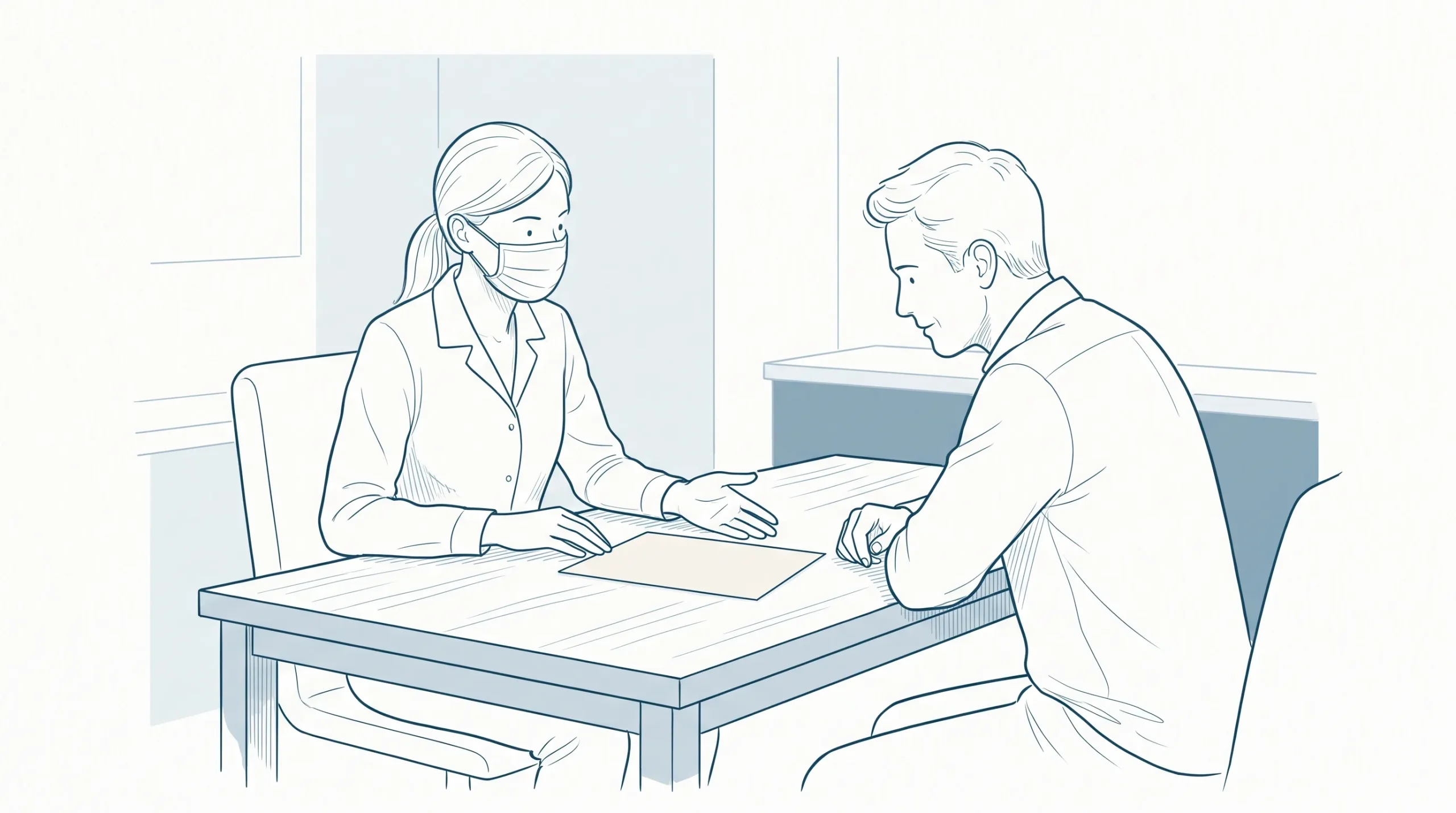
Bright Smiles offers flexible payment options and payment plans, with care provided at both Brightwater and Currimundi. The team can explain what may be available for your situation after your dental needs have been assessed and an estimate has been prepared.
This conversation may include the timing of appointments, whether treatment can be staged safely, what may need attention sooner and what could be monitored. In some situations, delaying treatment may increase the chance that a problem becomes more complex. In other situations, it may be reasonable to plan care over time. Your dentist can explain which applies to your circumstances.
It is also reasonable to ask for time to consider a treatment plan, particularly for non-urgent or elective care. A payment plan should support an informed decision, not replace one.
Other ways to manage dental care costs
A teeth payment plan is not the only way to manage dental costs. Depending on your circumstances, other options may also be relevant.
Private health insurance may contribute to some dental treatment if you have extras cover. The amount depends on your policy, waiting periods, annual limits and the item numbers involved. It is worth checking directly with your health fund before starting treatment so you understand your expected out-of-pocket costs.
For eligible children, Medicare may help cover certain dental services through the Child Dental Benefits Schedule. Services Australia explains the Child Dental Benefits Schedule, including eligibility and claiming information. Bright Smiles also has a local guide on when Medicare may help with children’s dental care if you want a plain-English overview.
Preventive care can also play a role in long-term budgeting. Regular check-ups, brushing with fluoride toothpaste, cleaning between the teeth and reducing frequent sugary snacks may help lower the chance of some dental problems developing or becoming more complex. Prevention does not remove the risk of dental disease, but it can help your dentist identify concerns earlier.
Staged treatment may be another option in some cases. This means planning care across more than one appointment or phase. Staging is not suitable for every situation, especially where infection, swelling, trauma or significant pain is involved, but it can sometimes help patients plan around time and budget.
When delaying care may change your options
It is understandable to delay dental treatment because of cost, time or anxiety. However, some dental problems can progress if they are left untreated. Tooth decay can deepen, cracks may worsen and gum disease can affect the supporting tissues around teeth. These changes may mean that the treatment options available later are different from the options available earlier.
This does not mean every concern needs immediate treatment. It means an assessment can help you understand what is happening and whether monitoring, preventive care, staged treatment or more active treatment is appropriate.
Seek prompt dental advice if you have facial swelling, dental trauma, severe pain, bleeding that does not stop, a knocked-out adult tooth or signs of infection such as fever with dental swelling. Bright Smiles has a practical guide on what to do if you need emergency dental treatment that explains common urgent situations and first steps.
Who may find a payment plan useful
A payment plan may be worth discussing if you have received a treatment estimate and would prefer to spread the cost over time. It may also help if treatment involves several appointments and you want clearer timing around repayments.
It may not be suitable if the repayment terms create financial strain, if you are unsure about the treatment recommendation or if you have not yet compared clinically appropriate options. In those situations, it may be better to ask more questions, request a written plan or take time to consider the information.
The right decision depends on both your oral health and your financial circumstances. Your dentist can explain the clinical side, including risks and alternatives. For financial terms, read the plan documents carefully and consider independent advice if you are unsure.
Frequently Asked Questions
What is a teeth payment plan? A teeth payment plan is an arrangement that may allow eligible dental treatment costs to be paid over time. Terms, fees and eligibility can vary, so it is important to read the details before agreeing.
Can I use a payment plan for cosmetic dental treatment? It may be possible, depending on the treatment, the provider and your eligibility. A dentist first needs to assess whether the cosmetic option is clinically suitable for your teeth, gums and overall oral health.
Is a payment plan the same as dental insurance? No. Private health insurance may contribute to eligible dental services depending on your policy. A payment plan is a repayment arrangement for costs that you are responsible for paying.
Can treatment be done in stages to help with budgeting? Sometimes, but not always. Staged care depends on the condition being treated, the risk of delaying treatment and your individual oral health. Your dentist can explain whether staging is appropriate.
Does Medicare cover dental treatment for adults? Medicare generally does not cover routine adult dental treatment. Some children may be eligible for support through the Child Dental Benefits Schedule. Other public dental services may have eligibility rules set by state or territory health services.
What should I bring to a payment plan discussion? Bring your health fund details if you have extras cover, any relevant medical information, a list of questions and details of your preferred budget or timing. This can help the team explain options more clearly.
Discussing costs before treatment
A dental examination can help determine what care may be appropriate and whether a teeth payment plan could be considered for your circumstances. Bright Smiles can explain available payment options after your dental needs have been assessed and a treatment estimate has been prepared.
To discuss your concerns, you can book an appointment with the team at Bright Smiles at either the Brightwater or Currimundi location.