

Searching for a dentist for braces usually means you or your child has noticed crowding, spacing, a bite concern or teeth that seem to be shifting. A dental appointment can help clarify whether braces may be worth considering now, whether another option may be suitable or whether it is better to monitor growth and tooth development for a while longer.
When to see a dentist for braces
You do not need to wait until teeth look severely crooked before asking about orthodontic treatment. A dentist can check how the teeth, jaws, gums and bite are working together, then explain whether braces may be appropriate for your circumstances.
For children, this conversation often starts while the adult teeth are still coming through. For teenagers and adults, it may be prompted by crowding, gaps, bite changes or difficulty cleaning certain areas.
Signs in children and teenagers
A dentist for braces can assess tooth and jaw development before all adult teeth have fully erupted. This does not mean a child will necessarily need braces straight away. In some cases, the dentist may simply recommend monitoring growth and reviewing again later.
Signs worth discussing include:
- Crowded or overlapping adult teeth
- Early or late loss of baby teeth
- Teeth that bite too far forward, too far back or do not meet evenly
- Mouth breathing, thumb sucking or prolonged dummy use affecting the bite
- Difficulty biting, chewing or closing the lips comfortably
- Jaw clicking, jaw shifting or visible asymmetry
If your child is still young, a dental check-up can also help identify habits, hygiene issues and decay risks before orthodontic treatment is considered. Bright Smiles has a helpful overview of broader oral care in this parent’s guide to children’s dental care.
Signs in adults
Adults may also see a dentist about braces, even if they had orthodontic treatment years earlier. Teeth can move over time due to normal ageing, gum changes, tooth loss, grinding, retainers not being worn or changes in the bite.
For adults, a dentist for braces may be helpful if you have noticed teeth becoming harder to floss, crowding that traps food, gaps opening, uneven wear, bite discomfort or a tooth that feels out of position. Cosmetic concerns can be part of the discussion, but oral health and function should also be assessed.
What a dentist checks before recommending braces
Braces are not only about making teeth appear straighter. Before recommending orthodontic treatment, a dentist needs to understand the health of the teeth and gums, the way the jaws meet and whether there are any problems that should be treated first.
A dentist for braces appointment is usually an assessment rather than an immediate decision. Depending on your needs, the dentist may examine your teeth, check your bite, discuss your dental history and consider whether X-rays, scans or orthodontic records are needed.
| Area assessed | Why it matters before braces |
|---|---|
| Teeth and fillings | Decay, cracks or failing restorations may need attention before brackets or aligners are fitted. |
| Gum health | Inflamed or unstable gums can affect orthodontic suitability and comfort. |
| Bite and jaw relationship | The way the upper and lower teeth meet influences treatment planning. |
| Tooth crowding or spacing | The amount of movement needed affects which options may be suitable. |
| Oral hygiene | Braces require careful cleaning to reduce the risk of plaque build-up and white marks. |
| Medical and dental history | Some health conditions, medications or previous treatment may influence planning. |
Dentist, orthodontist or both?
A general dentist can assess orthodontic concerns, discuss suitable options within their scope of practice and refer to an orthodontist where specialist care is needed. An orthodontist is a registered dental specialist who has completed additional training in diagnosing and managing tooth and jaw alignment concerns.
If you are unsure which appointment to book, start with a general dental examination. The dentist can explain whether your concern is suitable for general dental orthodontic care or whether specialist referral may be appropriate. Bright Smiles has also published a clear explanation of the difference between a dentist and an orthodontist.
Braces and other options your dentist may discuss
Not every alignment concern is managed the same way. The option discussed will depend on your age, oral health, bite, treatment goals, budget, ability to clean around appliances and how much tooth movement is required.
Seeing a dentist for braces can also be useful if you are comparing fixed braces with alternatives such as clear aligners. Some people may be suitable for more than one option, while others may need a specific approach because of their bite or tooth position.
| Option | What it generally involves | Points to consider |
|---|---|---|
| Fixed braces | Brackets are attached to the teeth and connected with wires that guide movement over time. | They may be suitable for a range of tooth movements, but cleaning around brackets takes care and consistency. |
| Clear aligners | Removable trays are worn over the teeth and changed in stages. | They depend heavily on regular wear and may not suit every bite concern. |
| Early interceptive treatment | Limited treatment during childhood to guide development or reduce a developing problem. | It does not always remove the need for later treatment. |
| Monitoring | Regular reviews to watch tooth eruption, jaw growth or minor changes. | Sometimes waiting is appropriate, especially when teeth and jaws are still developing. |
For a broader overview of orthodontic options, you may find Bright Smiles’ guide to braces and orthodontics useful.
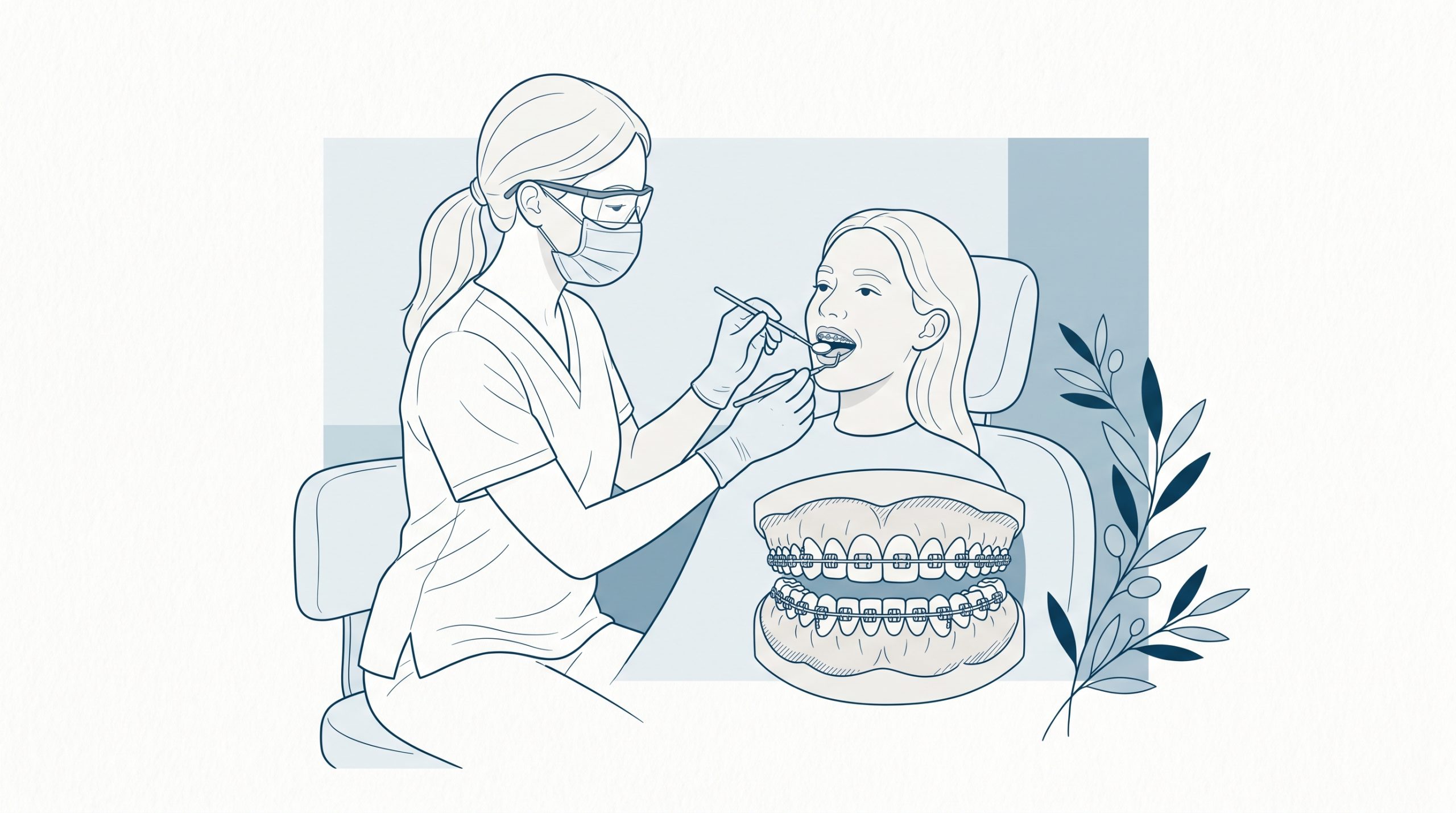
What happens at a braces consultation?
A braces consultation is usually calm and information-focused. It is an opportunity to ask questions, understand possible approaches and find out whether any dental issues should be managed first.
A typical appointment may include:
- A conversation about your concerns: Your dentist may ask what you have noticed, whether there is discomfort and what you would like to understand about treatment.
- An examination of the teeth, gums and bite: This helps identify crowding, spacing, bite changes, gum inflammation, decay or signs of tooth wear.
- Discussion of possible records: X-rays, photographs or scans may be recommended if more information is needed before treatment planning.
- Explanation of options and limitations: Your dentist can discuss which options may be suitable, what may not be suitable and when referral might be recommended.
- Next steps and costs: If treatment is being considered, you should receive information about likely stages, fees, payment arrangements and follow-up care before deciding.
All dental procedures carry potential benefits and risks. Your dentist should explain these in a way that lets you make an informed decision without pressure.
Timing braces around school, work and family life
Orthodontic treatment usually involves a series of appointments, so timing can matter. Families often prefer to start the assessment stage during school holidays or quieter periods, but this is not always necessary. The right timing depends more on dental development, oral health and treatment suitability than the calendar.
If you are choosing a dentist for braces for your child, it can help to bring previous dental records, any orthodontic reports and details about past X-rays if available. For families moving to the Sunshine Coast from interstate or overseas, planning dental care alongside housing and schooling can make settling in easier. Services such as family relocation support in Australia may assist with rental and school planning before you arrive, while your dental team can focus on oral health records and assessment once you are ready.
Adults may need to consider work schedules, travel, upcoming dental treatment, pregnancy planning or existing medical care. These factors do not automatically prevent braces, but they may influence timing and planning.
Costs and payment conversations
Braces costs vary because treatment plans vary. Factors can include the type of appliance, complexity of tooth movement, length of treatment, records needed and review appointments.
Bright Smiles supports flexible payment options, and your dentist can explain what applies to your individual plan before treatment begins. It is reasonable to ask for a written estimate, what is included, what may be separate and how appointments are structured.
Looking after teeth before and during braces
Good oral hygiene matters before braces are fitted. Plaque and tartar can increase the risk of gum inflammation, tooth decay and white marks around brackets. If the gums are bleeding or teeth are difficult to clean, your dentist may recommend improving hygiene or treating existing problems before orthodontic treatment starts.
A dentist for braces can show you how braces may affect brushing and flossing, then discuss tools such as interdental brushes, floss threaders or fluoride toothpaste if appropriate. Some patients may also benefit from a hygiene appointment before or during orthodontic care. Bright Smiles explains this in more detail in its article on when a dental hygiene service may be recommended.
Benefits, limitations and risks to understand
Braces may help improve tooth alignment, bite function and access for cleaning in suitable cases. However, treatment outcomes and experiences vary between patients.
Possible limitations and risks can include temporary discomfort after adjustments, irritation from brackets or wires, difficulty cleaning, tooth decay or white marks if plaque is not controlled, gum inflammation, changes to roots in some cases and relapse if retainers are not worn as advised. Your dentist can explain which risks are relevant to your situation.
Braces also require commitment. Fixed braces need careful cleaning, and aligners need consistent wear. If oral hygiene is not stable, it may be safer to address that first rather than starting treatment immediately.
When it may be better to wait
Sometimes the most appropriate advice is not to start braces straight away. This can happen if baby teeth still need time to fall out, adult teeth are still erupting, decay or gum disease needs treatment, oral hygiene needs improvement or the bite concern is mild and stable.
A dentist for braces can also explain when monitoring is reasonable. For example, a child with developing adult teeth may need periodic reviews rather than active treatment, while an adult with gum disease may need periodontal care before tooth movement is considered.
Waiting does not mean ignoring the issue. It means making a decision based on oral health, development and the likely benefits and limitations of treatment.
Frequently asked questions
What age should a child see a dentist about braces? Many children first discuss orthodontic development once adult teeth begin coming through, often in primary school years. The right timing varies, so a dental check-up can help decide whether monitoring, early treatment or later review may be appropriate.
Can adults get braces? Yes, adults can be assessed for braces or clear aligners. Suitability depends on gum health, tooth condition, bite, previous dental work, treatment goals and individual circumstances.
Do I need a referral to discuss braces? In many cases, you can start with a general dental appointment. Your dentist can assess your concern and advise whether treatment may be suitable or whether referral to an orthodontist is recommended.
Are clear aligners the same as braces? Clear aligners and fixed braces both aim to move teeth, but they work differently. Aligners are removable trays, while braces are fixed to the teeth. Your dentist can explain which option may suit your bite and lifestyle.
Will braces be recommended at the first visit? Not always. The first visit may identify the need for X-rays, scans, hygiene care, fillings, monitoring or referral before a treatment plan can be confirmed.
Discuss braces with Bright Smiles
If you are considering braces for yourself or your child, a dental examination can help clarify what is happening and what options may be appropriate. Your dentist can assess your oral health, explain potential benefits and risks and discuss whether braces, clear aligners, monitoring or referral may be suitable.
To discuss your concerns, you can book an appointment with the Bright Smiles team at either the Brightwater or Currimundi location on the Sunshine Coast.